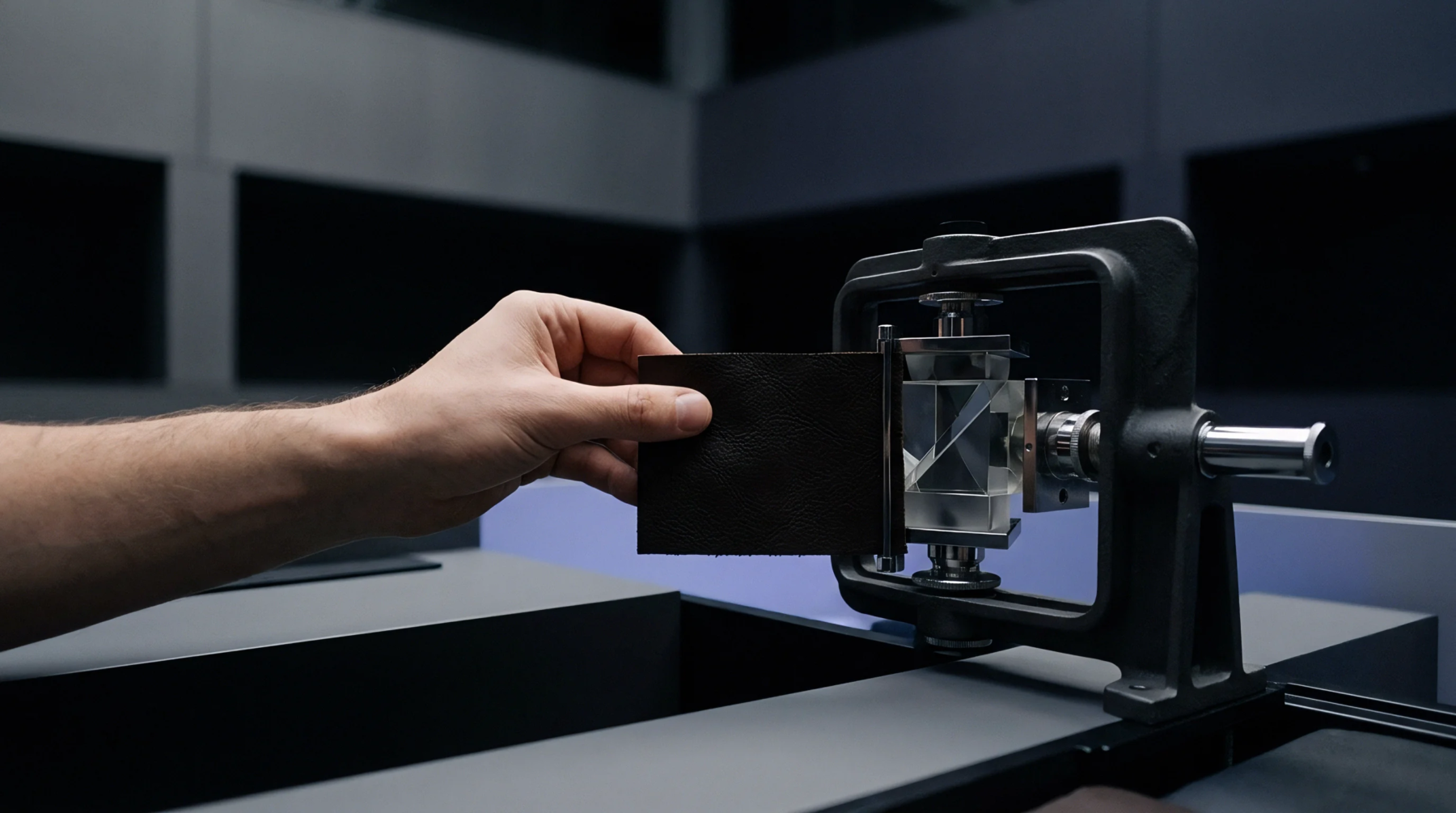
Determining Accelerometer Zero Offset Errors during Bench Calibration
Static multi-position gravity inversion separates zero-g offset from scale factor while Allan variance bias instability defines maximum valid integration time.
Mechanical load application on land grid array socket clamping constitutes a deterministic downward pressure phase that ensures microscopic planarity between package land pads and spring contacts across the processor carrier. Assembly technicians execute this phase using calibrated torque drivers or dedicated pneumatic levers that translate rotational force into linear vertical displacement against the integrated load plate. Excessive torque creates micro-fractures in the silicon substrate hidden beneath the heat spreader, whereas insufficient pressure leaves contact resistance above the specified milliohm threshold, leading to intermittent signal degradation under thermal cycling conditions.
Verification laboratories measure this clamping force against manufacturer specified Newton ranges using load cells placed directly in a dummy package fixture before production runs begin.
Contact resistance stability relies entirely on uniform normal force distribution across every individual spring pin housed within the socket body. Oxidation layers and micro-contaminants on the gold-plated contact pads demand a precise wiping action during the downward travel of the clamping mechanism to break through surface barriers and establish gas-tight metallic interfaces. Thermal expansion mismatches between organic substrates and copper alloy pins introduce mechanical creep during operational life cycles, causing normal force relaxation that degrades signal integrity at high frequencies.
Metrology technicians monitor this degradation using four-wire Kelvin sensing setups to isolate contact impedance from bulk trace resistance during accelerated aging tests.
Thermal interface material performance depends on continuous bond-line thickness control governed by the downward vector of the socket clamping assembly. High-pressure clamping squeezes excess paste or phase-change material outward until filler particles make direct microscopic contact between the silicon die backplate and the copper heatsink base. Voids or uneven pressure gradients caused by warped load plates produce localized hot spots that trigger thermal throttling algorithms in the processor firmware long before total junction temperature limits are reached.
Thermal conductivity calibration benches quantify this performance by measuring steady-state temperature differentials across the assembly under a controlled heat load.
Assembly tolerance stacking across the motherboard substrate, socket housing, and stiffener plate defines the operational window for reliable land grid array socket clamping without inducing catastrophic mechanical failure. Component thickness variations in the printed circuit board build-up layers accumulate tolerance stack-ups that alter the effective height of the landing plane relative to the pivot hinge of the load lever. Quality control engineers audit these variations using optical height gauges and laser displacement sensors to verify that the closed-position gap remains inside the allowable micron band specified by the socket design manual.
Production lines reject assemblies where tolerance accumulation prevents the latch hook from engaging the retention tab under nominal manual closing force.
Static multi-position gravity inversion separates zero-g offset from scale factor while Allan variance bias instability defines maximum valid integration time.
Expertise is a utility, not a secret. sentiention™ publishes its working knowledge as open reference: intelligence layer covering the materials it sources, the markets it enters, and the reference that serves both.