Timing Protocol
Pulse alignment within an inertial measurement unit functions by locking sensor data acquisition to a specific hardware trigger signal. The imu line sync methodology coordinates the timestamping of internal angular rate and linear acceleration samples to prevent clock drift between the device and an external controller. Designers implement this handshake to eliminate latency variations that accumulate during high frequency data logging.
Precise temporal correlation between the sensor cluster and the host system remains a primary requirement for sensor fusion algorithms that calculate orientation from multiple inputs.
Signal Topology
Electrical grounding and voltage levels determine the success of this connection during rapid capture cycles. Engineers must ensure the logic transition thresholds remain consistent across the interface to avoid false triggers or dropped data packets. Oscilloscope verification shows how edge steepness affects the trigger reliability of the input circuit.
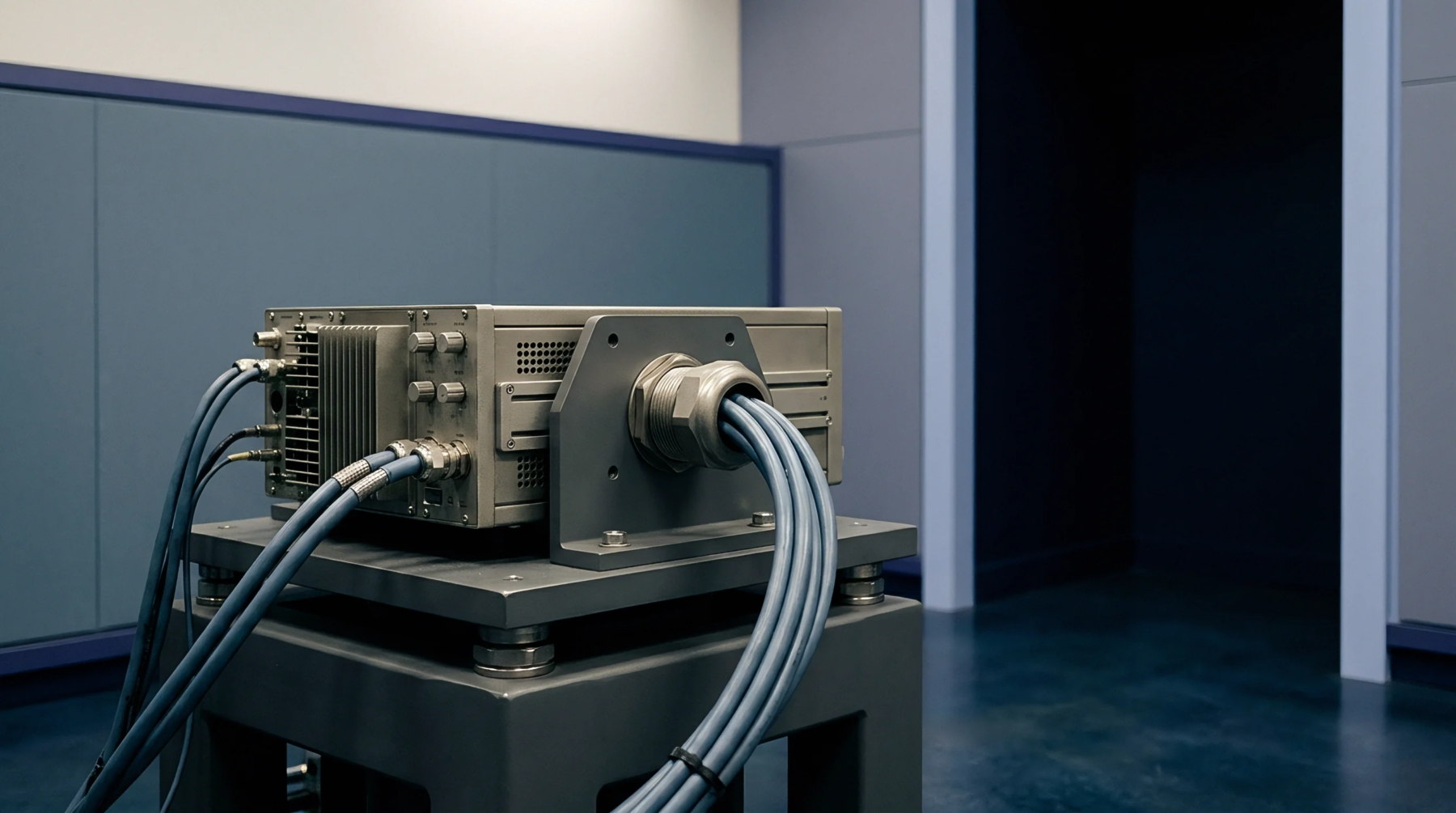
Improper shielding of the line induces electromagnetic noise which causes jitter in the sampling frequency.
Latency Correction
Digital processing delay exists as a byproduct of the instruction cycle required to register the hardware interrupt. Software developers account for this offset by applying a fixed bias value to the incoming data stream during post-processing. Calibration procedures measure the propagation time from the physical line toggle to the moment the sample buffer records the update.
Static delay offsets remain constant once the system architecture is finalized.
Frequency Stability
Quartz crystal oscillators within the sensor assembly serve as the clock reference for maintaining the sample interval between sync pulses. System performance degrades when the internal crystal frequency deviates from the external clock source beyond the allowable tolerance. Compensation logic adjusts the output rate to align with the master controller while preserving signal fidelity across long measurement sessions.
Long term clock deviation manifests as an increasing timestamp error that invalidates coordinate transformation accuracy.