Standardized Specification
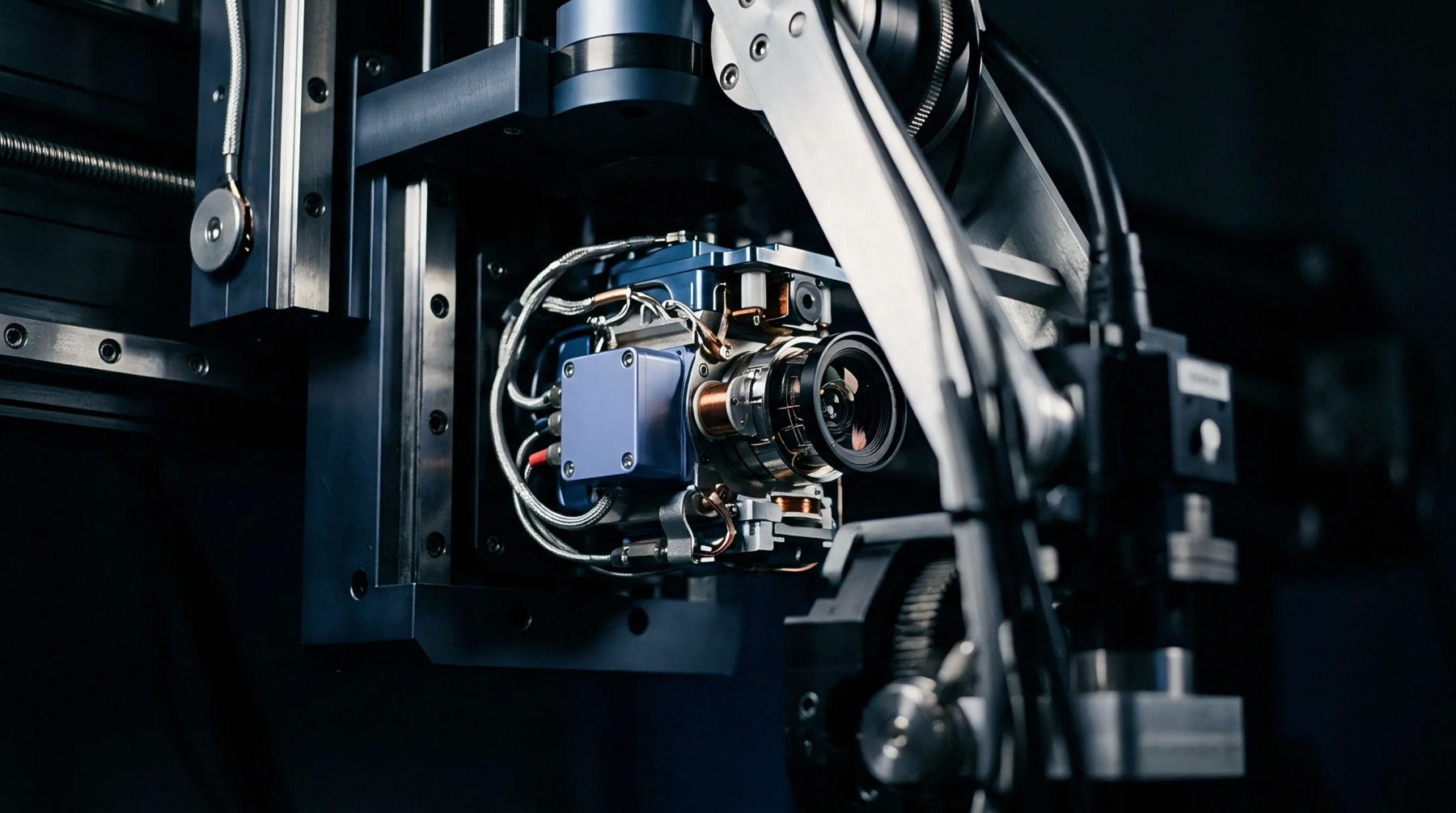
Industry standards establish uniform definitions and test procedures for Coriolis vibratory gyroscopes used in aerospace and industrial applications. The Ieee 1431 defines the critical parameters, test methods, and mathematical models for these single-axis and multi-axis angular rate sensors. It provides a common reference for both manufacturers and system integrators to specify performance characteristics.
This document covers sensors built using micro-electromechanical systems alongside larger quartz or hemispherical resonator designs.
Test Methodology
Structured experimental setups measure sensor responses to controlled rotational and environmental inputs. The Ieee 1431 specifies the exact laboratory conditions and equipment required to determine gyro bias, scale factor, and noise characteristics. This includes thermal chamber profiles and precision rate table paths to ensure repeatable results across different test laboratories.
It defines how to log and analyze data to extract long-term stability metrics.
Performance Parameter
Systematic error budgets rely on the characterized drift and noise parameters of the sensing element. Under Ieee 1431, parameters like angle random walk and bias instability are calculated using Allan variance analysis. These values are crucial for estimating the performance of inertial navigation systems over time.
Sensor Classification
Measurement standards do not impose specific performance limits but rather provide the framework for comparing devices. The Ieee 1431 applies to various grades of gyroscopes, ranging from commercial-grade consumer devices to tactical and navigation-grade instruments.