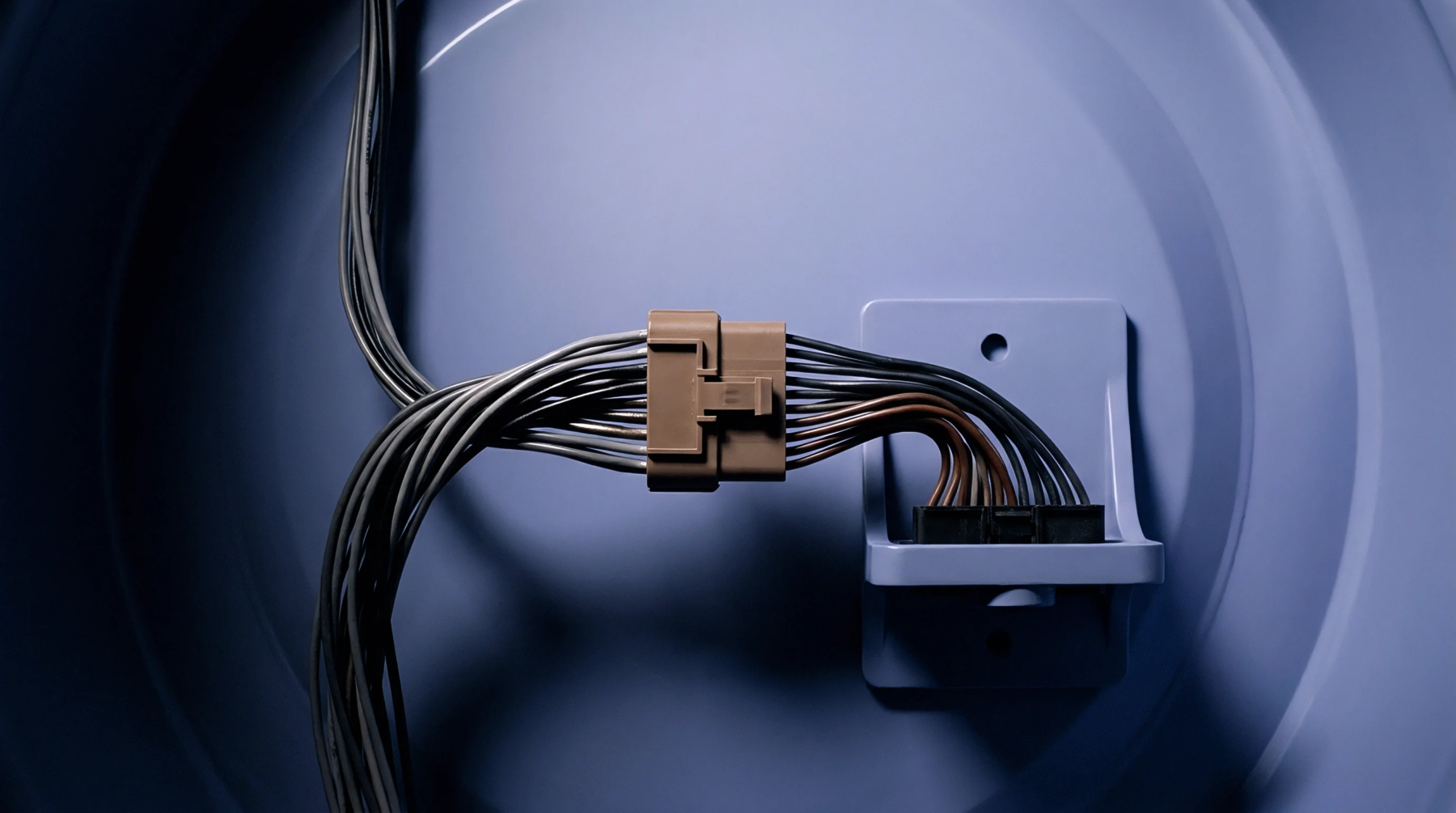
Thermal Transducer
Industrial measurement instruments designed for extreme environments must convert physical variables into electrical signals at elevated temperatures. A high temperature sensor achieves this by employing specialized materials such as platinum RTDs and mineral-insulated thermocouples. These devices must operate reliably in environments exceeding several hundred degrees Celsius where standard semiconductor packages would fail.
Metrological Drift
Thermal exposure over long periods induces mechanical stress and material diffusion, which lead to a gradual change in sensor calibration. Drift in thermoelectric sensitivity or resistance stability alters the output signal, requiring periodic recalibration against primary reference standards. Insulating materials can also experience a decrease in resistance at high temperatures, allowing leakage currents that corrupt the measurement signal.
Selecting high-purity ceramics like alumina minimizes this shunt effect.
Protective Enclosure
Protection of the sensing element from corrosive process gases requires a rugged thermowell or sheath that does not introduce excessive thermal lag. This protective housing must be constructed from superalloys or ceramic tubes that resist oxidation and chemical attack while maintaining mechanical strength. The placement of the sensor inside the sheath affects the thermal response time, requiring a balance between mechanical protection and rapid heat transfer.
Thermally conductive ceramic powders are often packed around the element to improve the response rate.
Calibration Standard
Verification of accuracy involves testing in fluidized baths or dry-block calibrators compared against a reference standard. These tests establish the measurement uncertainty across the entire operating range, ensuring compliance with specified tolerances. This testing confirms the long-term stability of the device before it is deployed in critical industrial processes.