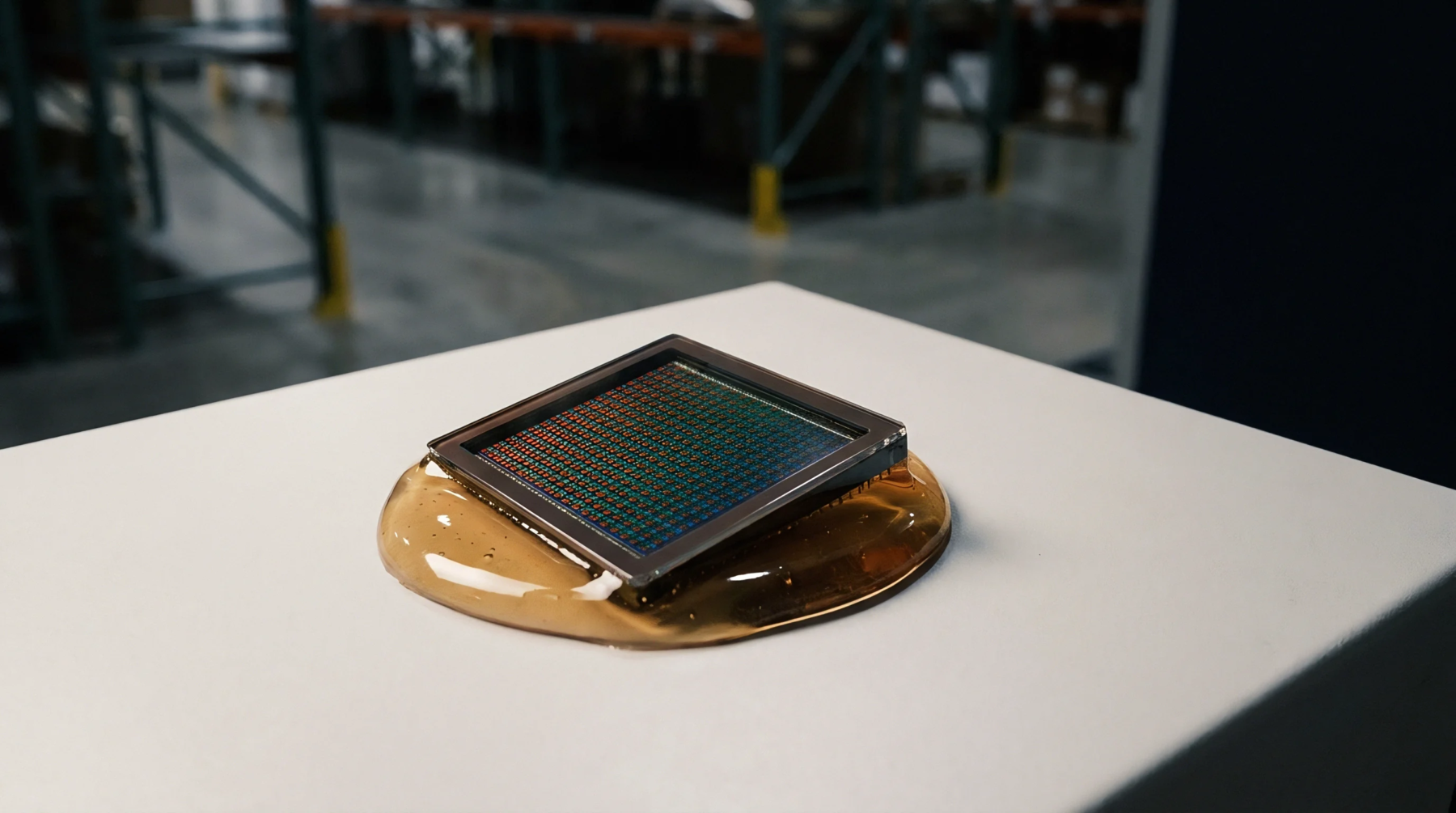
Shock Sensor
Inertial sensors measure transient high-amplitude acceleration and deceleration during impact events. A high g accelerometer is designed to withstand and measure forces exceeding thousands of times the acceleration of gravity. These specialized sensors are utilized in crash testing, ballistics, and aerospace defense systems where standard instruments would fail or saturate.
They feature rigid structures with minimal proof mass to prevent structural failure under extreme load.
Sensing Mechanism
Piezoelectric and piezoresistive sensing elements convert the high mechanical stress of the shock event into an electrical signal. The high g accelerometer typically uses a stiff, single-crystal silicon or quartz sensing element to achieve a high natural frequency. This design minimizes the displacement of the proof mass, which reduces the response time and prevents mechanical damage.
It also provides excellent linearity over the measurement range.
Frequency Response
High natural frequency is essential to prevent resonant excitation of the sensor by the sharp rise time of the shock pulse. This characteristic prevents signal distortion and ensures accurate peak acceleration measurements.
Calibration Procedure
Calibrating these instruments requires specialized hopkinson bar testing to generate controlled, high-amplitude stress waves. This verification step ensures the sensor sensitivity remains stable after repeated high-force exposures.