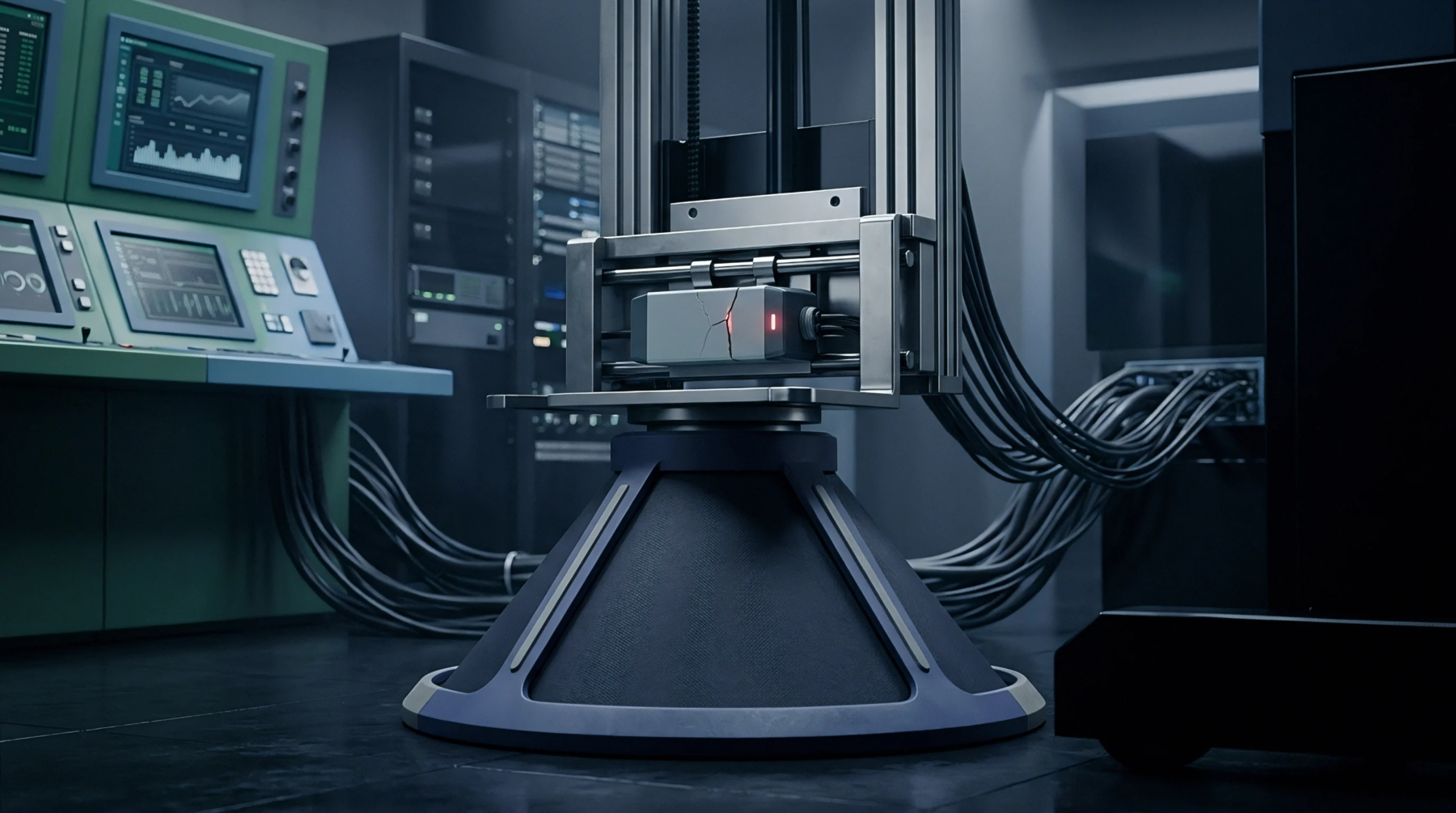
Protective housing
A dielectric enclosure contains a silicone compound to isolate sensitive electronic circuitry from environmental contaminants such as moisture or particulates. A gel filled module provides this barrier by surrounding components in a non-conductive viscous substance that prevents arc tracking and oxidative corrosion. The substance remains in a semi-solid state to cushion delicate connections against mechanical shock while maintaining its volume across temperature fluctuations.
Dielectric integrity
Electrical isolation levels depend upon the purity of the synthetic medium within the cavity. Manufacturers verify these levels through high-voltage breakdown testing under controlled humidity conditions to ensure the dielectric constant remains stable. Impurities or trapped air bubbles alter the insulation resistance and degrade the performance of the encapsulated unit during operation.
Thermal coupling
Efficient heat dissipation relies on the conductive properties of the internal medium to transport energy away from active silicon junctions. Components embedded in the material experience lower peak temperatures because the gel distributes thermal energy across the larger surface area of the external casing. Heavy density fillers increase this conduction but can affect the stress profile placed on solder joints if the expansion coefficient differs from the substrate.
Operating longevity
Deployment of these assemblies prevents the ingress of corrosive gases that trigger premature failure in field conditions. Exposure to acidic environments causes metallic trace degradation that reduces the functional lifespan of unprotected boards. Proper selection of the sealing medium ensures that long-term chemical compatibility with adjacent plastics protects the board against stress cracking or brittle failure.