Media Isolation
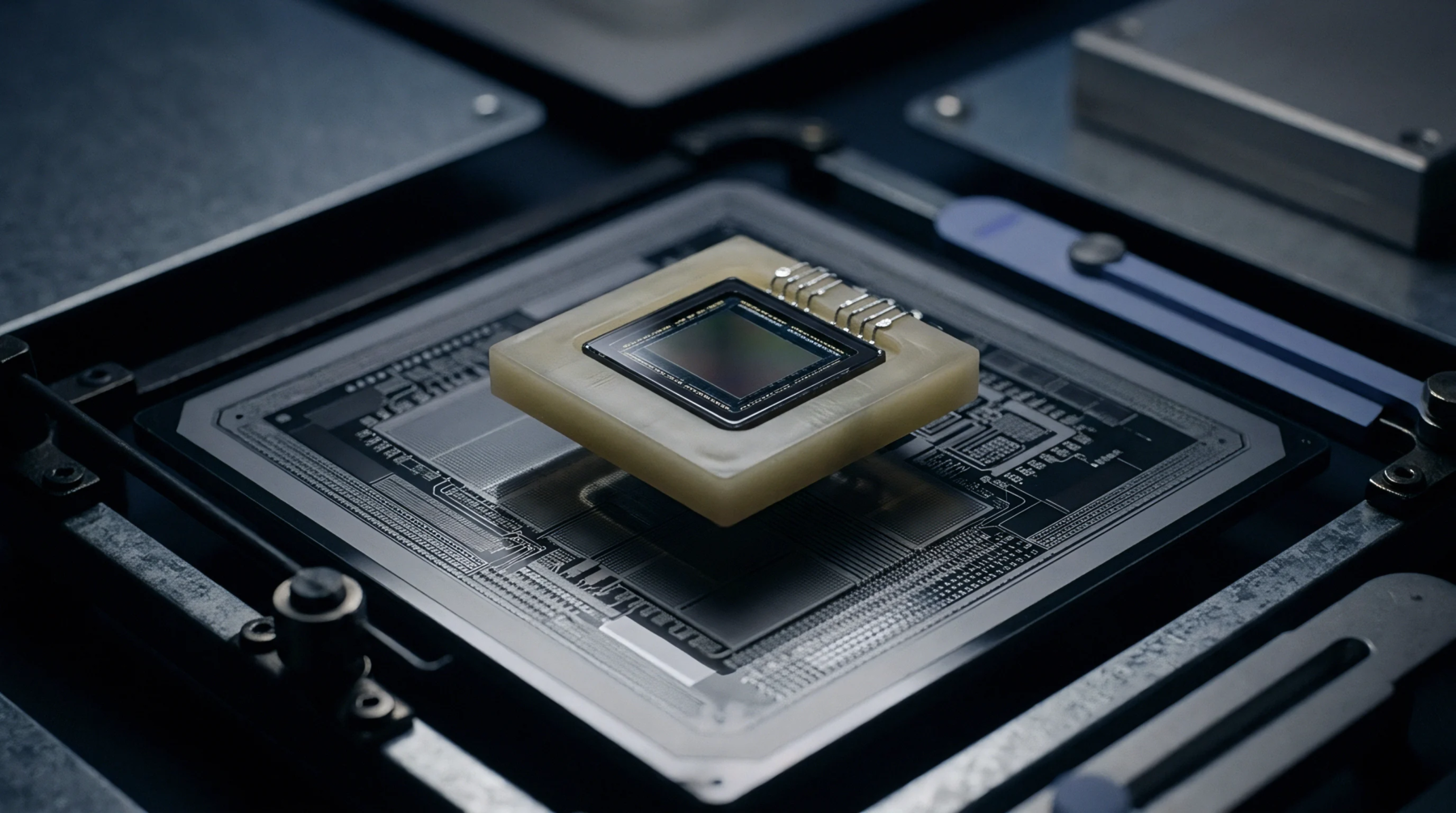
Soft silicone potting compounds isolate sensitive microelectromechanical sensing elements from corrosive liquids while transferring hydrostatic pressure directly to the active diaphragm surface. Designing a gel filled cavity package requires selecting gel viscosity and durometer values that preserve sensor response times without inducing mechanical hysteresis. Bubble formation during gel dispensing creates local stiffness variations that degrade measurement linearity over pressure ranges.
Gel formulations must maintain physical flexibility across the entire specified thermal range to prevent thermal expansion stress on sensitive silicon bond wires. Assembly lines monitor gel volume precise to fractions of a microliter to maintain uniform hydrostatic transfer.
Gel Encapsulation
Dispensing operations deposit precise gel volumes into metal or plastic package cavities under vacuum conditions. Vacuum degas phases remove entrapped micro-bubbles that would otherwise compress under applied pressure and create measurement errors. Curing ovens expose filled packages to controlled thermal profiles to solidify the gel into a stable gel matrix.
Automated optical inspection verifies gel surface height and meniscus shape before final package sealing.
Pressure Transmission
Hydrostatic pressure passes unattenuated through the gel medium to reach the primary sensor diaphragm surface. Gel stiffness introduces slight mechanical attenuation at extremely low pressure levels, establishing a lower measurement sensitivity threshold. High pressure pulses transmit smoothly without creating turbulent fluid forces that could damage internal wire bonds.
Material stability prevents gel migration or degradation during exposure to harsh industrial process fluids.
Die Protection
Chemical barrier properties prevent moisture, salts, and acidic compounds from reaching internal silicon structures. Package sidewalls support the gel column, maintaining mechanical isolation during severe vibration and shock events. Temperature changes induce expansion within the gel volume, requiring designed cavity headspace to prevent fluid overflow.
Long term stability testing confirms that gel properties remain stable across extended operational lifespans.