Humidity Management
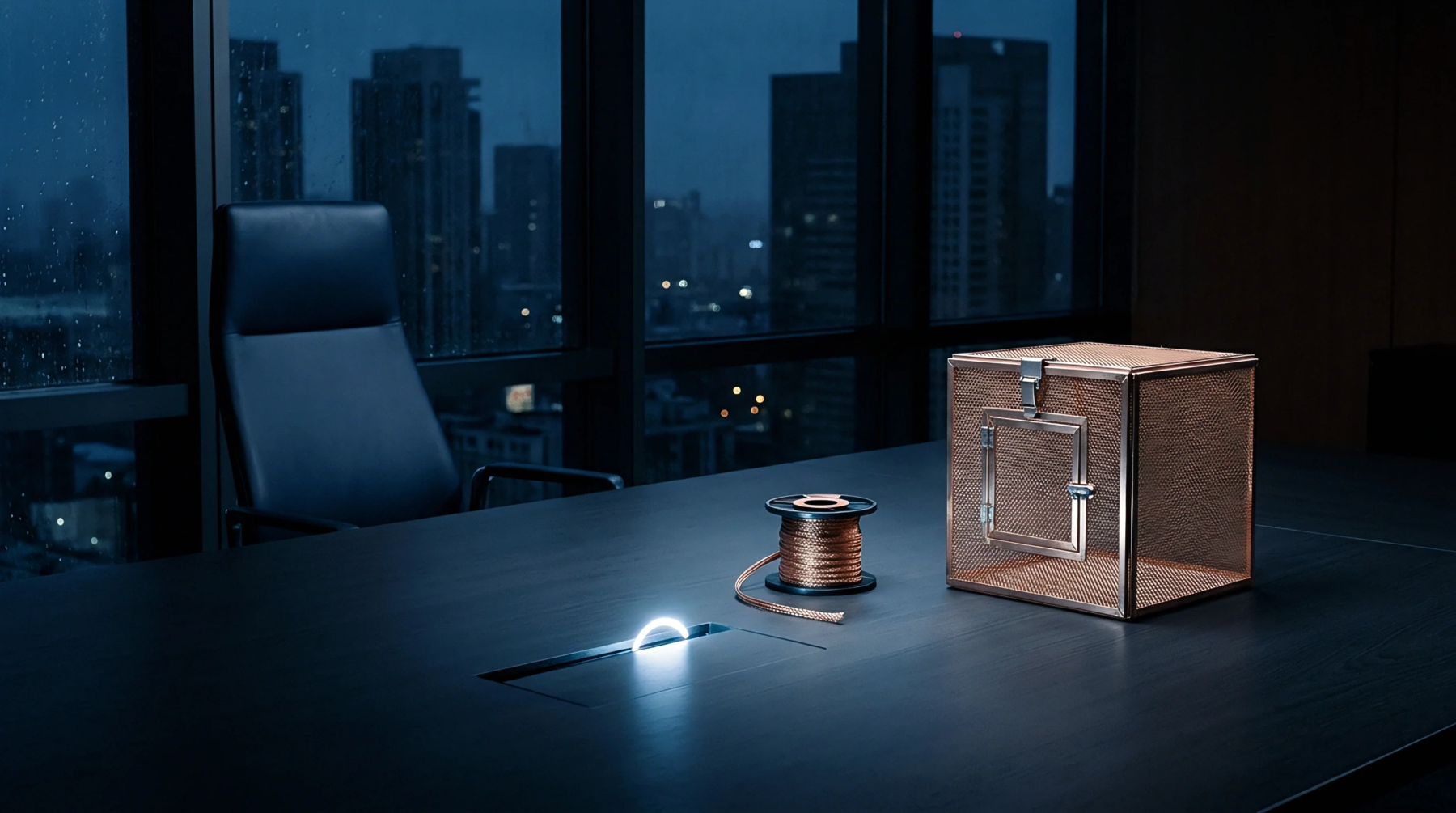
An industrial enclosure maintains low relative humidity levels to protect moisture-sensitive electronic components from absorbing atmospheric water before reflow soldering. Under standard operating protocols, dry cabinet storage achieves internal humidity levels below five percent relative humidity by utilizing automated desiccant technology or a continuous nitrogen flow. This protective environment prevents microcracking and internal delamination during subsequent high-temperature exposure.
Electronics manufacturers rely on these systems to extend the floor life of sensitive integrated circuits and solder-ball grid arrays before they are processed.
Desiccant Regeneration
Automated drying units cycle through adsorption and regeneration phases to maintain a constant internal state. Synthetic zeolites absorb moisture from the cabinet air, and heating elements periodically drive off the collected water to exhaust it outside. This process runs continuously without human intervention to keep moisture-sensitive devices within safe limits.
Recovery Characteristic
Door openings introduce ambient humidity into the controlled chamber, requiring rapid restoration of the target atmosphere to prevent moisture uptake by stored parts. System efficiency is measured by the duration needed to return to the setpoint, typically under fifteen minutes for high-performance industrial units. Limiting access during production shifts helps maintain a stable storage environment.
Verification Method
Calibrated sensors installed inside the chamber provide continuous tracking of internal conditions to ensure compliance with international industrial standards. Handheld thermohygrometers verified against reference sources serve to audit the cabinet performance on a scheduled basis. Any drift in the integrated sensors triggers an adjustment to avoid exposing the stored assemblies to high moisture levels.