Temporal Evolution
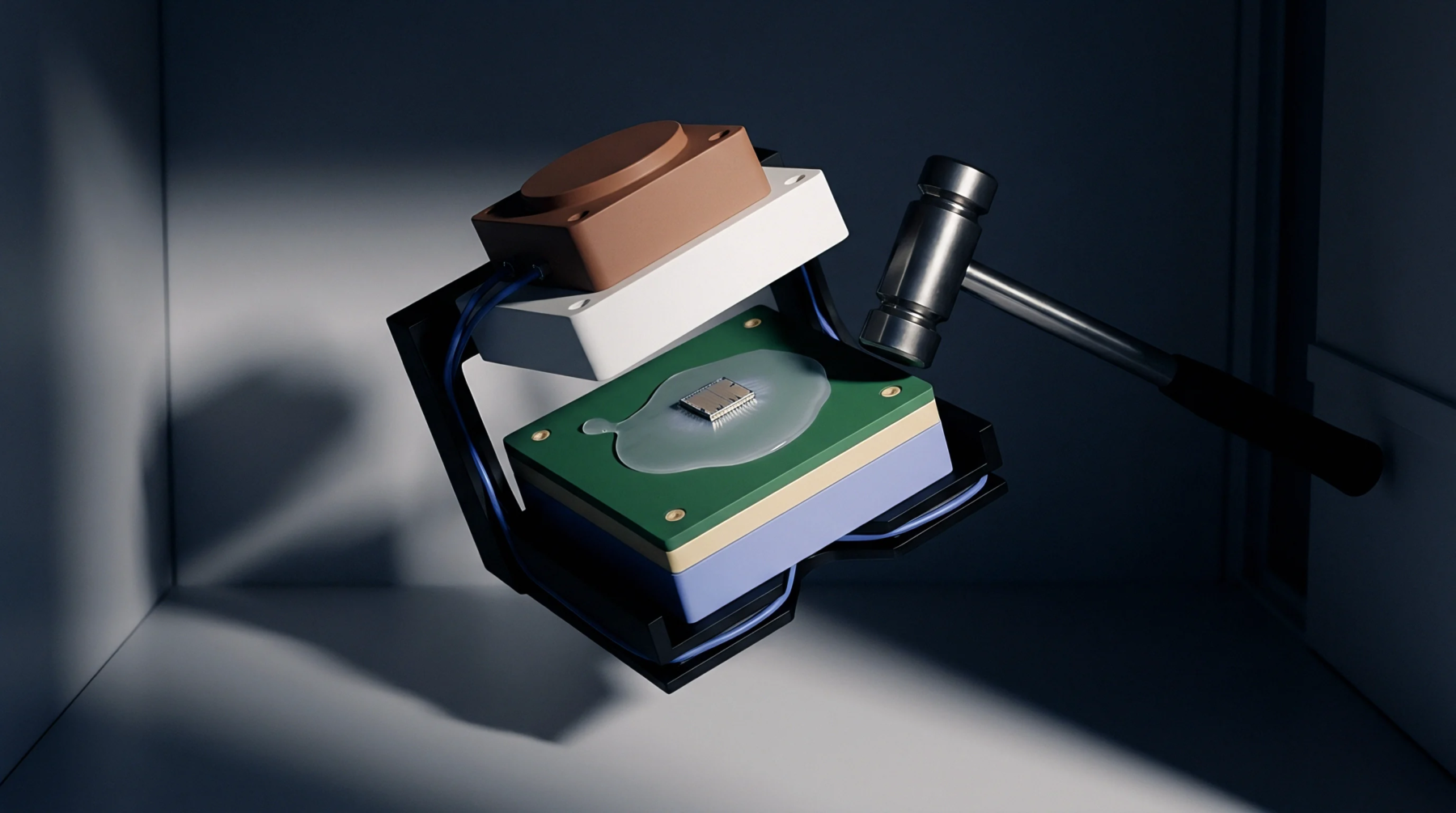
Electronic instrumentation experiences gradual changes in performance characteristics over extended periods of operation. This slow progression is characterized by drift kinetics, which describes the rate and mechanism of parameter change under continuous bias. The analysis of this behavior is restricted to continuous operation before the physical breakdown of the active sensing elements.
Thermal Contribution
Temperature variation acts as a primary catalyst for the movement of defects within semiconductor junctions. When a sensor is subjected to thermal cycling, the internal stresses accelerate the migration of dopants or the relaxation of package materials. This thermal drive modifies the voltage reference or the resistance of internal bridges over time.
The rate of this modification depends on the activation energy of the chemical pathways involved.
System Degradation
Sub-micron electronics undergo physical changes such as electromigration or dielectric wear under constant voltage stress. These microscopic events alter the electrical paths and cause a slow, unidirectional shift in the zero-point voltage. As these changes accumulate, the accuracy of the system degrades without presenting any immediate failure.
Quantification Standard
Testing departments measure these shifts by placing the device in a temperature-controlled chamber for long-duration logging. The resulting dataset yields the drift kinetics of the component, which are used to schedule maintenance intervals. A device whose offset exceeds the limits of the specification sheet must be recalibrated or replaced.
This continuous tracking ensures that the sensor maintains its required accuracy during its service life and reduces the risk of unobserved measurement errors.