Viscoelastic Characterization
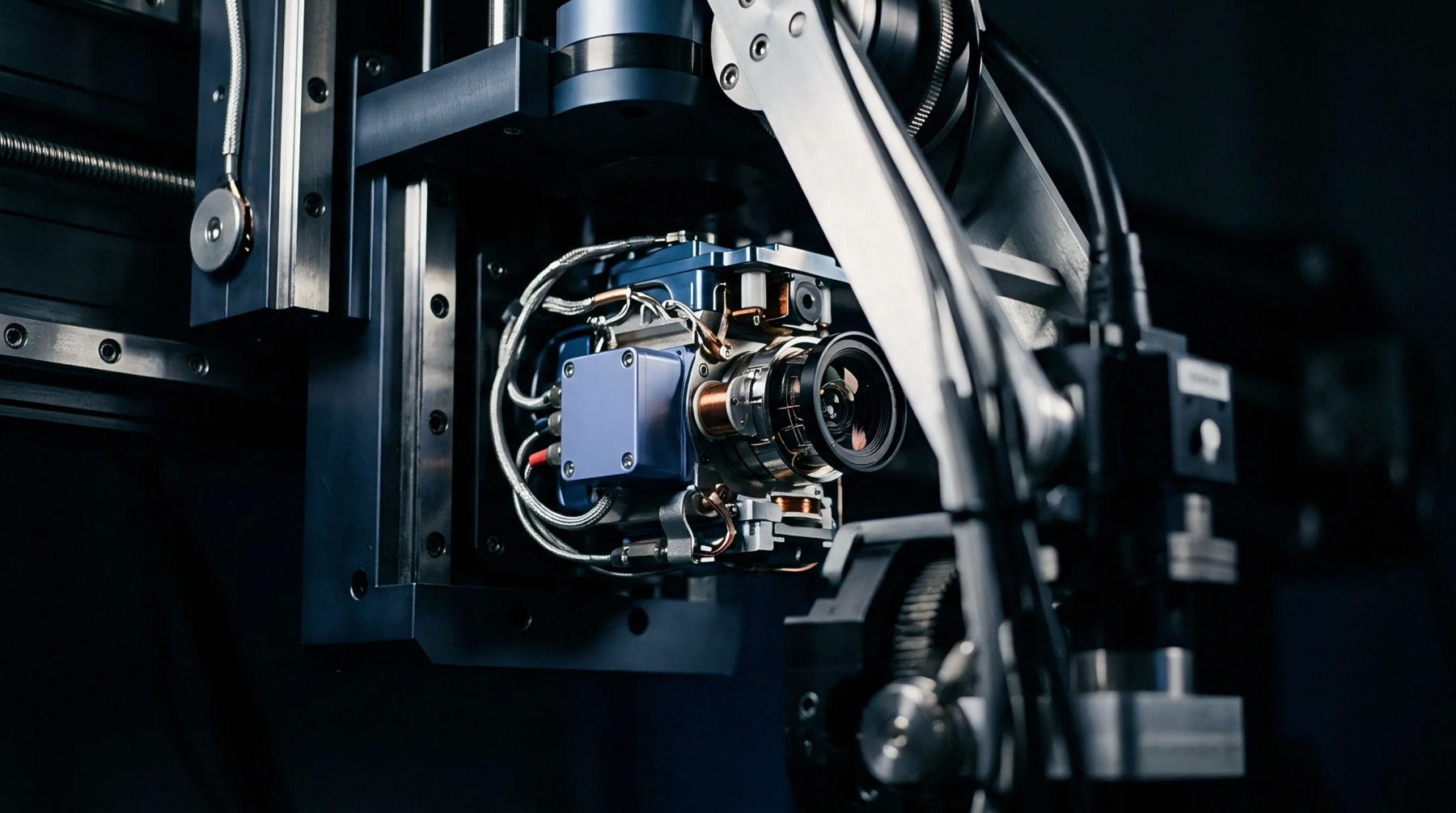
Characterization instruments designed for polymeric materials apply a sinusoidal force to a specimen to measure stress and strain response. This technique, known as DMA, provides quantitative data on the elastic and viscous behavior of materials under controlled thermal and mechanical environments. The instrument operates by varying temperature or frequency to identify structural transitions.
It remains a standard for determining the mechanical integrity of electronic substrates.
Calibration Protocol
Traceability in these measurements requires regular verification using reference materials with known mechanical properties. Standard steel or polycarbonate beams of certified dimensions allow the adjustment of the force and displacement sensors in DMA systems. An operator performs this procedure at specific thermal hold points to correct for clamp expansion.
This prevents systemic errors during high-temperature runs.
Operational Limit
Environmental factors and fixture mass restrict the absolute accuracy of the measured modulus. Stiffness limits of the instrument frame introduce compliance errors when testing highly rigid composites, as the frame itself deforms under load. To mitigate this effect, software algorithms apply correction factors based on blank-run calibration curves.
Instrument operators must select clamp configurations that match the expected sample geometry to avoid edge-effect errors.
Sourcing Metric
Procurement specifications for these systems prioritize the frequency range and the minimum displacement resolution. A high-performance DMA system requires a dynamic force range from millinewtons to tens of newtons to accommodate both soft gels and stiff laminates. Buyers evaluate the temperature scan rate stability alongside the cooling accessory performance to ensure uniform thermal profiles.
These parameters directly determine the reliability of the transition measurements. Advanced laboratories often demand dual-cantilever and tension fixtures certified to specific aerospace standards. This ensures that multi-laboratory studies produce comparable results on identical polymer batches.