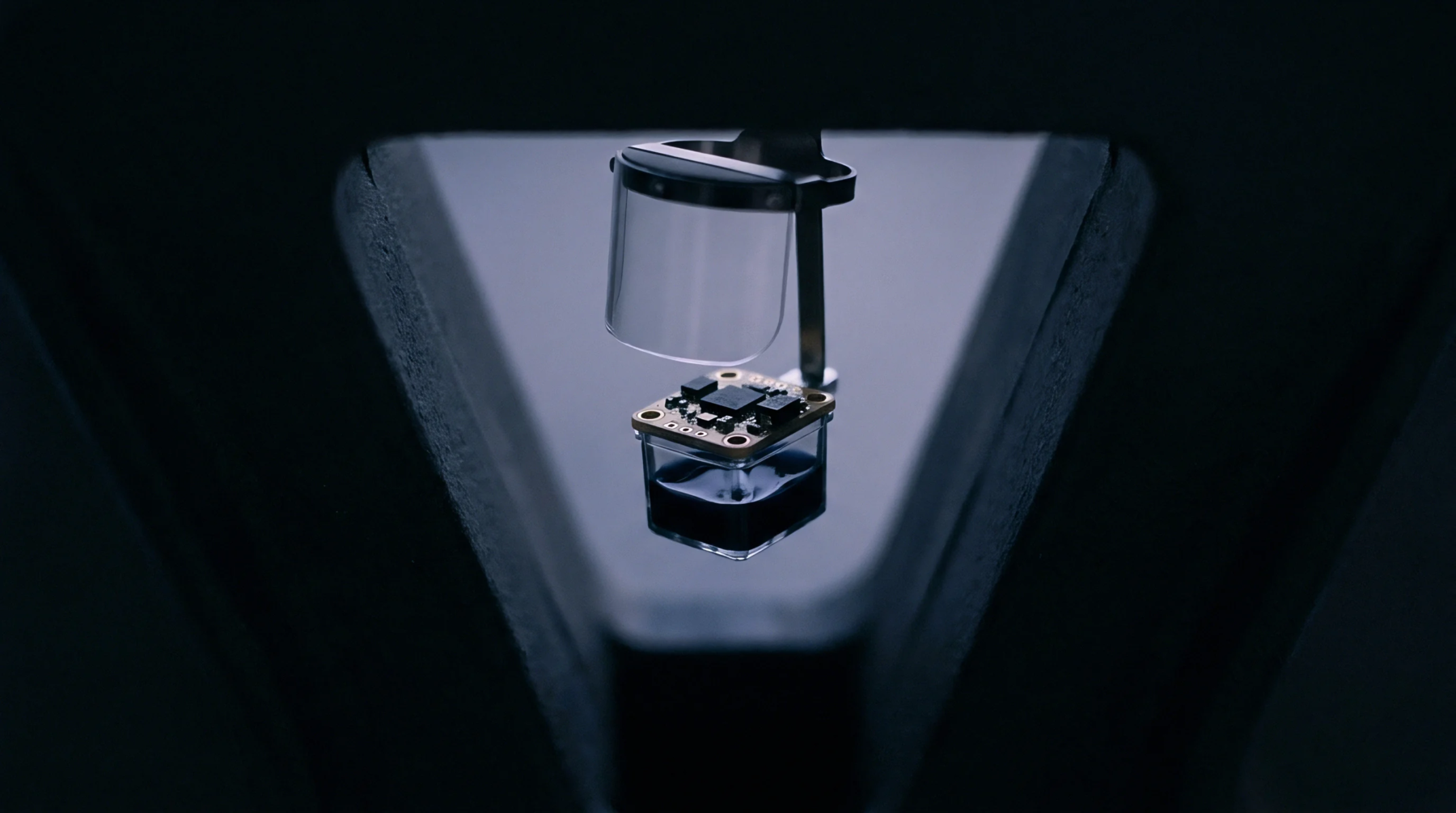
Thermal Polymerization
Polymeric adhesive transition from liquid state to structural solid state secures silicon chips onto substrates via controlled heat application. Die attach curing triggers chemical crosslinking within conductive or insulating pastes to establish permanent mechanical bonds and thermal pathways. Heat transfer efficiency across the assembly depends on the density of the resultant lattice structure.
Precise regulation of temperature profiles prevents void formation at the interface between the silicon and the lead frame.
Bond Strength
Mechanical stability of the joint emerges from the completion of the exothermic reaction under thermal exposure. Die attach curing generates the shear force resistance required to survive subsequent wire bonding operations and environmental stress. Industrial specifications define minimum pull and shear values for accepted packages.
Improper application of thermal energy leads to insufficient crosslinking density, which reduces the effective load bearing capacity of the semiconductor package.
Measurement Accuracy
Differential scanning calorimetry monitors the degree of conversion by quantifying the residual enthalpy within the adhesive after heat exposure. Metrologists compare the heat flow of the cured sample against a reference baseline to calculate the percentage of reaction completeness. Instrumental drift from thermal lag often interferes with the detection of secondary transitions in high performance polymers.
Calibration of heating ramps ensures the recorded glass transition temperature remains consistent with the target specifications set by material manufacturers.
Process Control
Reliable thermal management within the furnace maintains the kinetic stability of the material chemistry during the transformation. Die attach curing requires strict adherence to dwell times to minimize internal residual stress caused by mismatched coefficients of thermal expansion between components. Variations in gas flow or ambient humidity within the oven chamber shift the reaction rate away from the documented optimum.
Uniformity of the thermal field throughout the chamber volume determines the repeatability of the final mechanical impedance for the assembly.