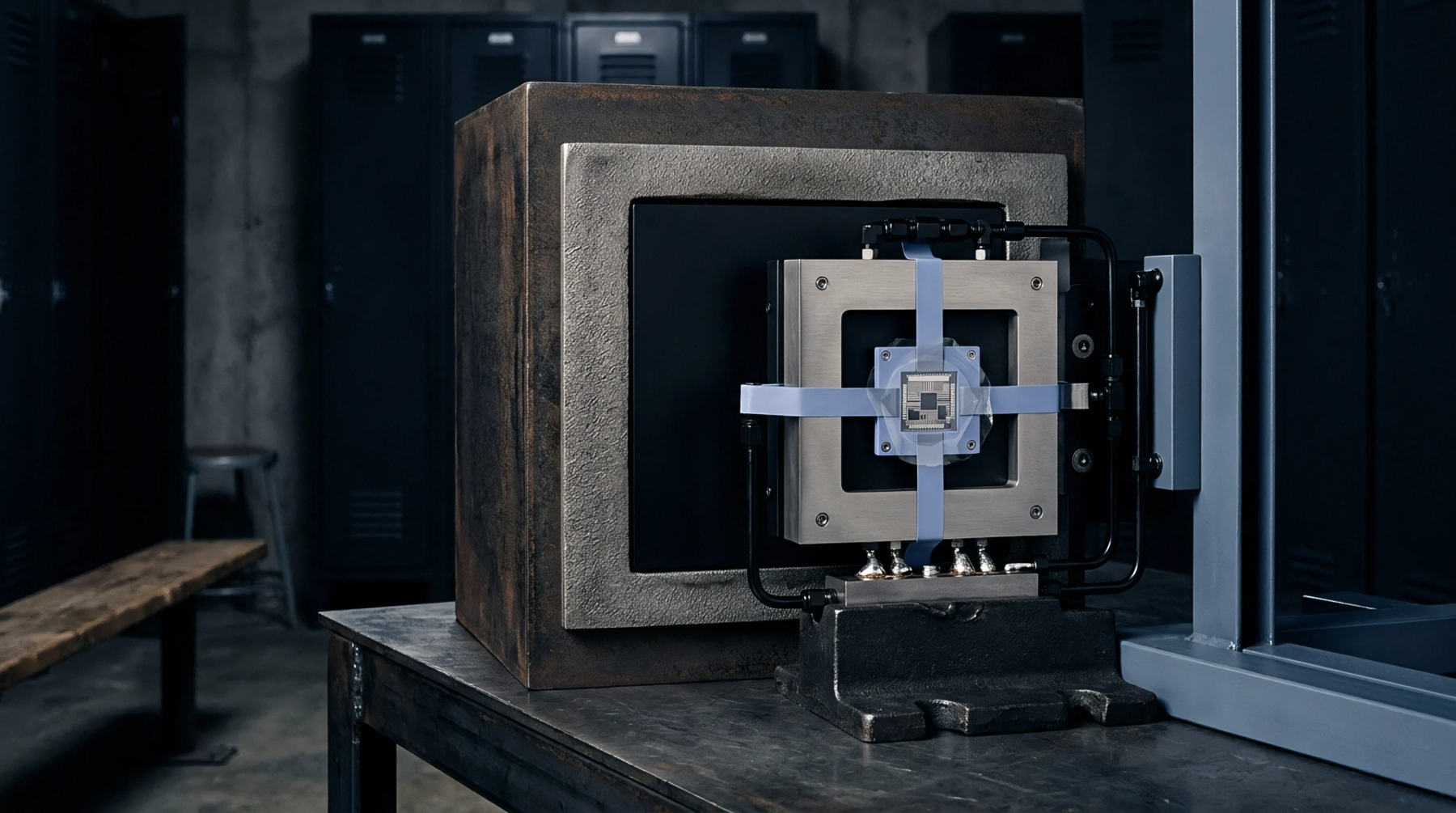
Validation Protocol
Verification of instrument performance against a predetermined regulatory requirement ensures that hardware functions within accepted bounds. Compliance testing confirms whether a device or system adheres to specific safety or performance standards established by governing bodies. This process involves subjecting the hardware to defined environmental or electrical stress to observe output stability.
Requirement Mapping
Performance limits defined by international standards dictate the thresholds for acceptance during assessment. Compliance testing relies upon a reference signal or a known physical property to evaluate the deviation of a production unit from a nominal state. Drift in the measurement chain often arises from thermal expansion or contact resistance in the signal path.
Laboratory technicians verify the absence of such interference before declaring a component compliant.
Calibration Gap
Assessment of a device against a standard differs from calibration because it produces a binary outcome of pass or fail rather than a correction factor. Compliance testing establishes the legal or technical eligibility of a product for market deployment. Manufacturers determine the tolerance bands based on the worst case scenario of expected service conditions.
Designers adjust the hardware architecture to accommodate these variations in sensitivity or range.
Output Variance
Measured values obtained under controlled conditions allow for the statistical analysis of device reliability across multiple production cycles. Compliance testing identifies the boundary where a component ceases to operate within its designated specification. Small deviations in the power supply or input impedance create measurable differences in the final data output.
Consistent adherence to these protocols prevents the installation of nonconforming equipment into critical infrastructure.