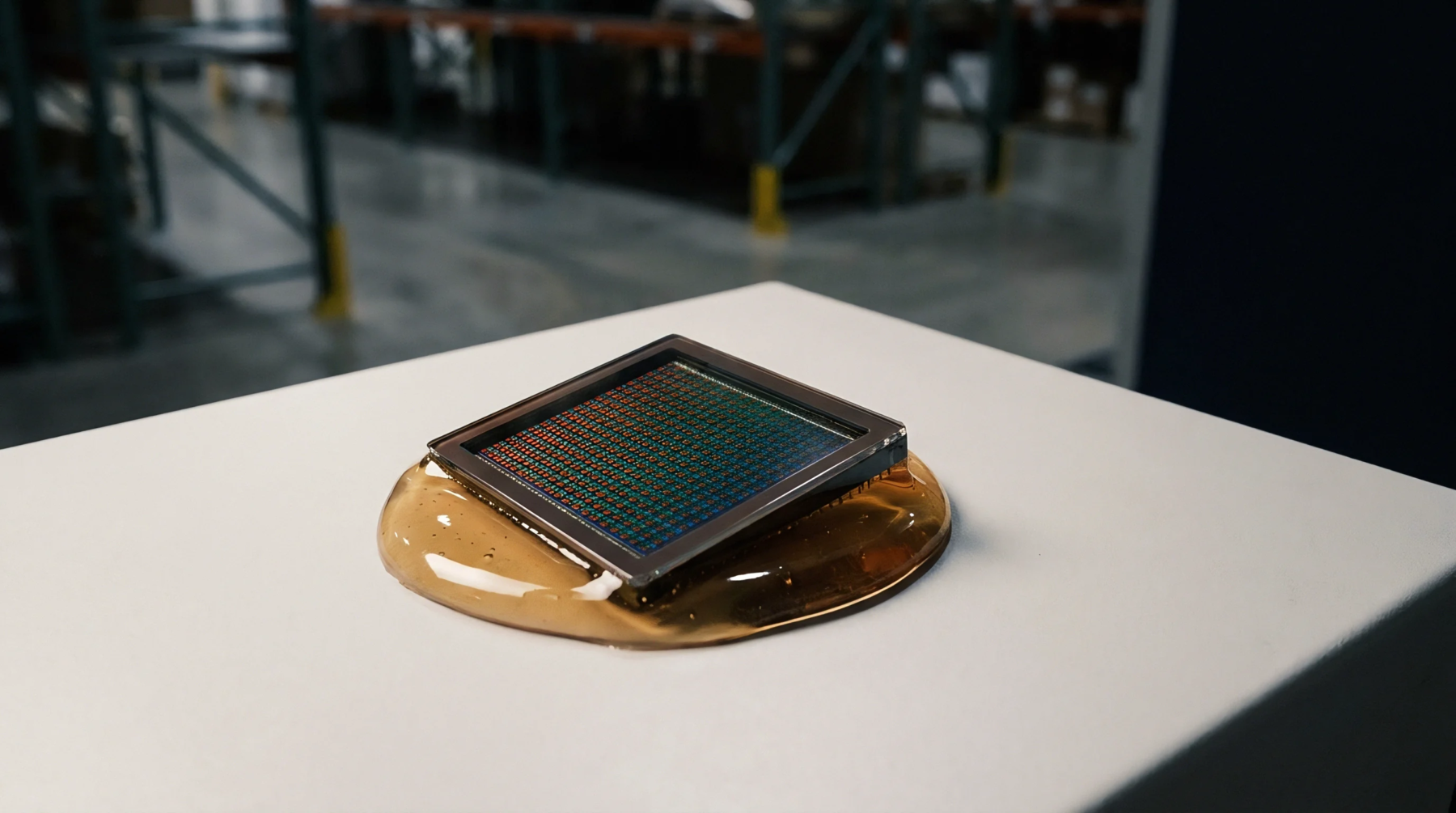
Electrostatic Geometry
Series of parallel electrode protrusions used to increase the surface area between two conductors forms this interdigitated structure. In micro-electromechanical systems, a capacitive comb finger array converts physical motion into a change in electrical capacitance. The arrangement allows for a linear relationship between the displacement of the moving mass and the resulting output signal.
Transduction Physics
Potential differences between the stationary and movable teeth create an electric field. As the mobile portion of the capacitive comb finger array shifts, the overlapping area between the fingers changes, which modifies the total charge stored at a given voltage. This mechanism permits the detection of sub-nanometer movements in accelerometers and gyroscopes.
Signal Resolution
Signal strength depends on the number of fingers and the gap between them. Precision manufacturing ensures that the capacitive comb finger array maintains a uniform separation, usually in the micron range, to avoid electrical shorts or stiction. Narrower gaps increase sensitivity but also heighten the risk of pull-in failure where the fingers touch and stick.
Fabrication Constraint
Etching processes determine the steepness and smoothness of the finger sidewalls. Deviations in the etch profile of the capacitive comb finger array introduce parasitic capacitances that can mask the desired signal.