Structural Laminate
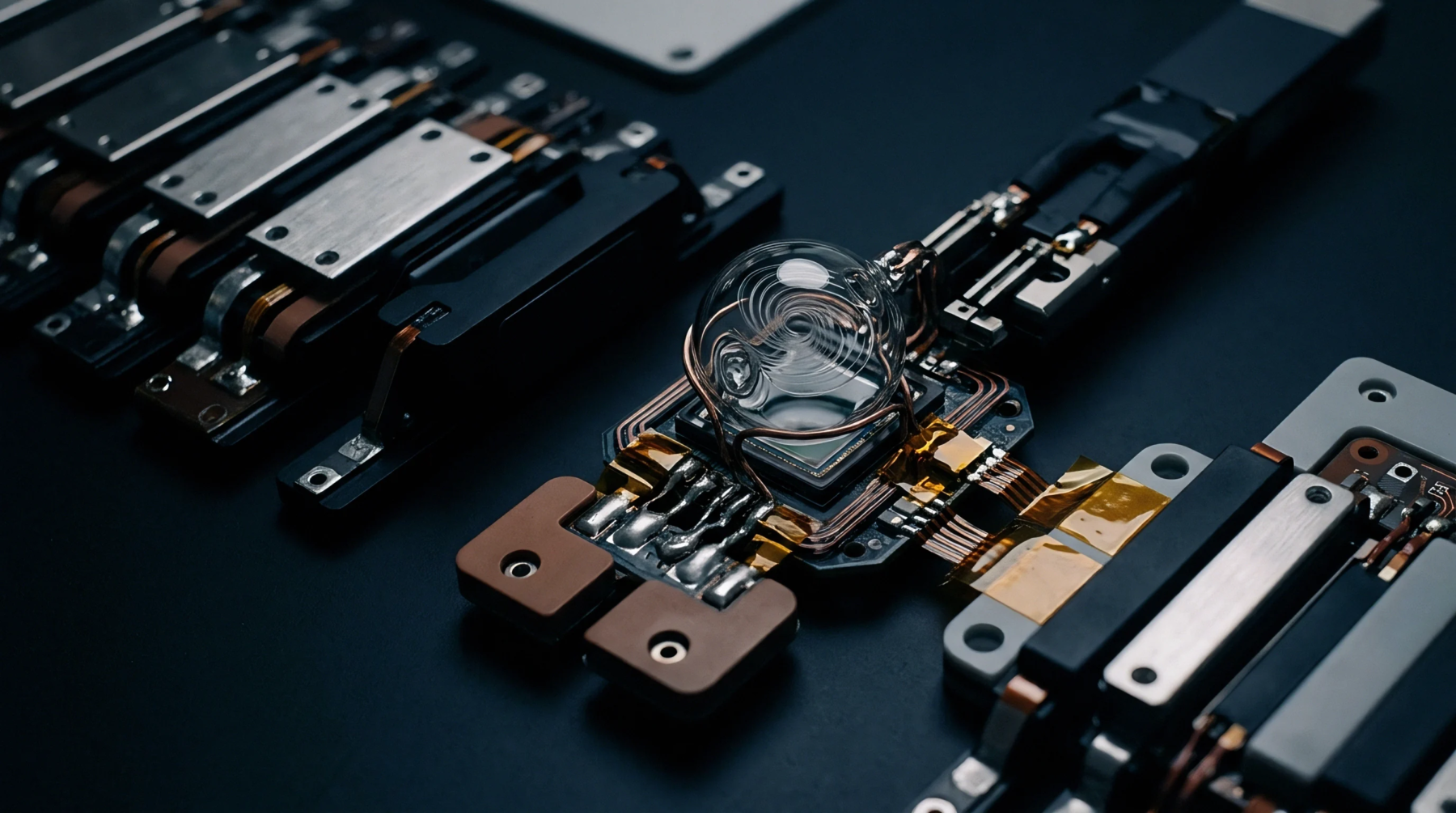
Rigid laminate materials composed of bismaleimide and triazine resins offer high thermal stability for integrated circuit packaging. Designers specify bt resin substrate for ball grid arrays and chip scale packages due to a glass transition temperature that often exceeds two hundred degrees Celsius. This property ensures dimensional stability during the lead free reflow process.
Dielectric Performance
Low dissipation factors make these substrates suitable for high frequency applications where signal loss must be minimized. The bt resin substrate maintains its electrical insulation properties even after exposure to humidity and high temperatures. Circuit designers rely on this consistency to maintain impedance control across varying environmental conditions.
Moisture absorption remains low compared to standard epoxy materials.
Fabrication Tolerance
Manufacturing processes for these boards require precise control over copper foil adhesion and hole drilling parameters. The mechanical strength of bt resin substrate allows for thinner core layers without sacrificing structural integrity. Drill bit wear is higher than with fr4 material (a standard epoxy fiberglass laminate) because of the harder resin system.
Finished boards undergo rigorous inspection for delamination or copper peeling.
Package Reliability
Long term durability depends on the coefficient of thermal expansion matching between the chip and the board. Using bt resin substrate reduces the mechanical stress on solder joints during thermal cycling. This reduction in stress prevents early fatigue failure in the interconnection layer.
The material acts as the primary mechanical interface in semiconductor assemblies.