Dielectric Substrate
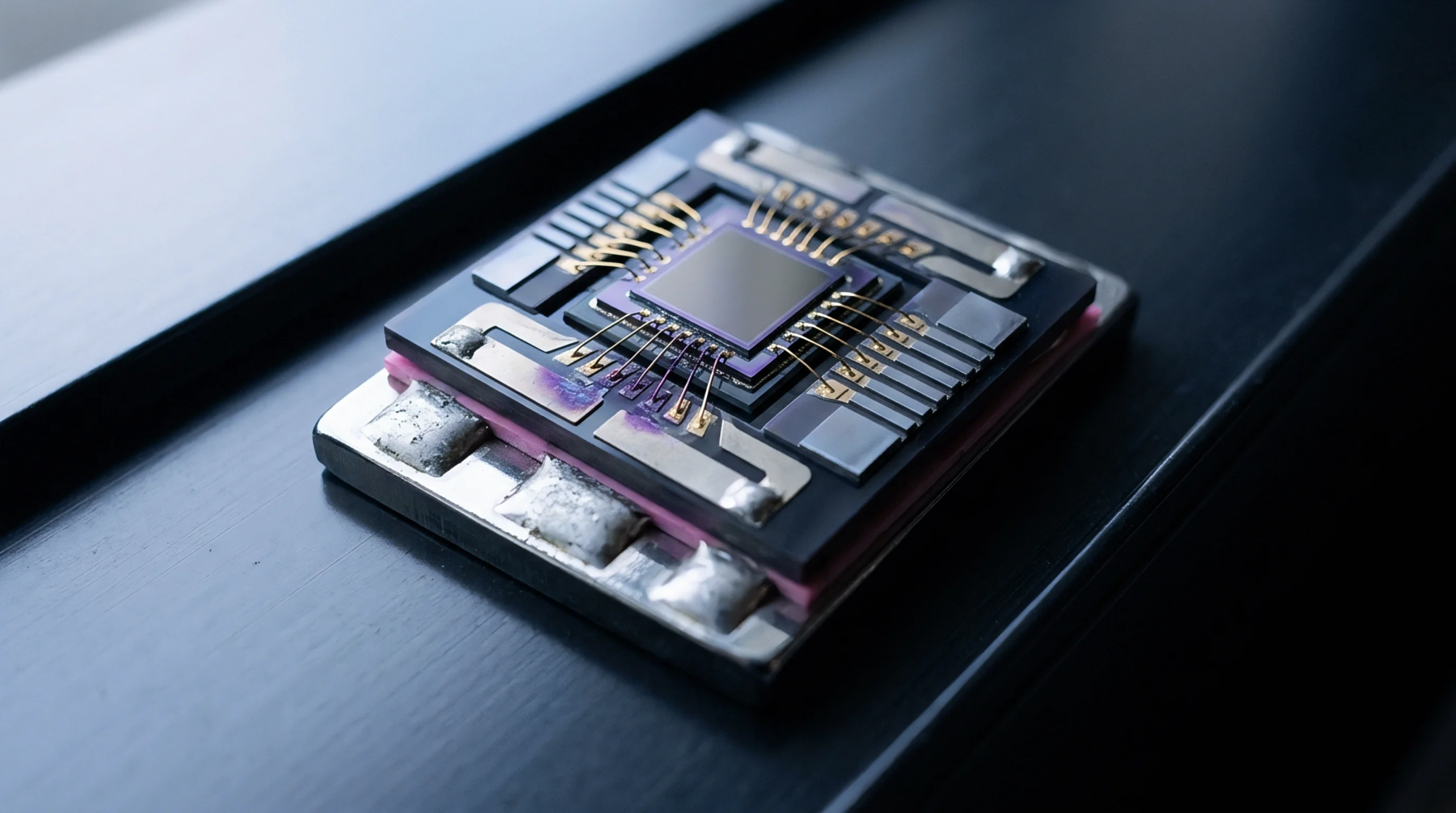
Bismaleimide triazine laminate core functions as the structural and insulating foundation within high frequency printed circuit boards. Glass fabric reinforcement impregnated with bismaleimide triazine resin provides thermal stability and mechanical rigidity during multilayer pressing cycles. Dielectric constants remain exceptionally stable across elevated operational temperatures and wide frequency ranges.
Signal propagation speeds improve through minimized dielectric loss compared to standard epoxy glass alternatives. Moisture absorption rates stay remarkably low even under continuous exposure to humid industrial environments.
Thermal Resistance
Glass transition temperature values exceed two hundred degrees Celsius for standard grades of bismaleimide triazine laminate core materials. Extended exposure to lead free soldering temperatures causes negligible delamination or dimensional distortion along the z axis. Resin systems crosslink densely during initial lamination to restrict molecular mobility under high thermal stress.
Thermal expansion coefficients align closely with copper foil layers to prevent internal circuit cracking during thermal shock testing. Manufacturers verify these physical limits by subjecting standardized coupons to successive solder float tests at twenty six seconds intervals.
Impedance Tolerance
Trace width dimensions and dielectric thicknesses dictate characteristic impedance stability across finished transmission lines on the bismaleimide triazine laminate core. Signal integrity engineers specify strict dielectric thickness tolerances to maintain a fifty ohm characteristic impedance target across high speed data paths. Resin distribution uniformity across large panels directly influences capacitance values between signal traces and internal ground planes.
Automated optical inspection equipment measures prepreg resin content variations prior to press cycles to predict final board thickness deviations. Laboratory calibration standards dictate that final impedance verification occurs at a reference frequency of ten gigahertz under temperature controlled conditions.
Fabrication Interference
Mechanical drilling operations encounter rapid tool wear due to the abrasive nature of woven glass fibers embedded within the bismaleimide triazine laminate core. Specialized carbide drill geometries mitigate resin smearing and reduce hole wall roughness during high speed spindle rotation. Plasma desmear processes remove microscopic resin residue from internal copper interconnects prior to electrolytic copper plating cycles.
Chemical etching parameters require precise adjustment to prevent undercut conditions on fine pitch copper features during outer layer patterning. Proper handling procedures prevent electrostatic discharge damage to sensitive internal layers throughout the multi step fabrication sequence.