Adhesive Specification
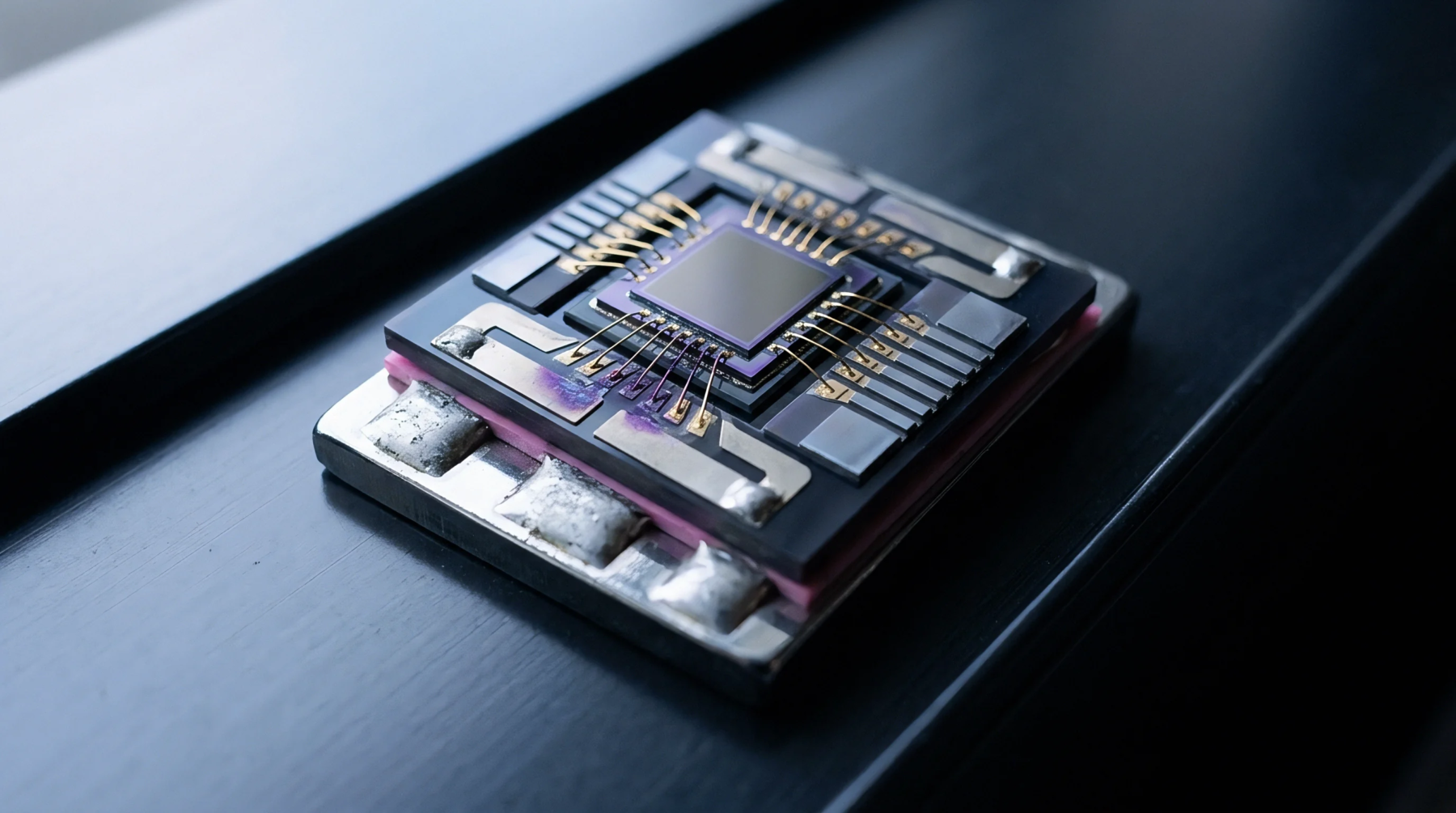
Mechanical alignment and thermal conductivity in microelectronic packages depend heavily on the uniform layer of adhesive applied between a sensing die and its substrate. Achieving proper bond line thickness control prevents excessive thermal resistance while ensuring sufficient mechanical strength to withstand operational vibration. If the adhesive layer is too thin, the sensor may detach due to mechanical strain or coefficient of thermal expansion mismatches, whereas a layer that is too thick introduces excessive thermal insulation and degrades response times.
Controlled dispensing equipment maintains this dimension.
Thermal Interface
Thermal dissipation pathways rely on a minimal and consistent barrier to transfer heat away from high-power electronic components effectively. Implementing precise bond line thickness control allows the system designer to calculate thermal resistance with high accuracy and prevent localized hot spots. This consistency stabilizes the sensor output over varying temperatures.
Measurement Method
Optical and mechanical gauges verify the thickness of the adhesive layer during both the prototype and production stages. With automated production lines, laser profiling systems monitor the height of the dispensed material before and after the die is placed to enforce bond line thickness control. These systems trigger immediate shutoffs when limits are breached.
Assembling Constraint
The execution of this manufacturing step involves balancing dispense volume against placement force. Uncontrolled pressure during die attachment squeezes out excess adhesive, which can contaminate adjacent electrical pads or cause short circuits. Process parameters are carefully calibrated to prevent such defects.