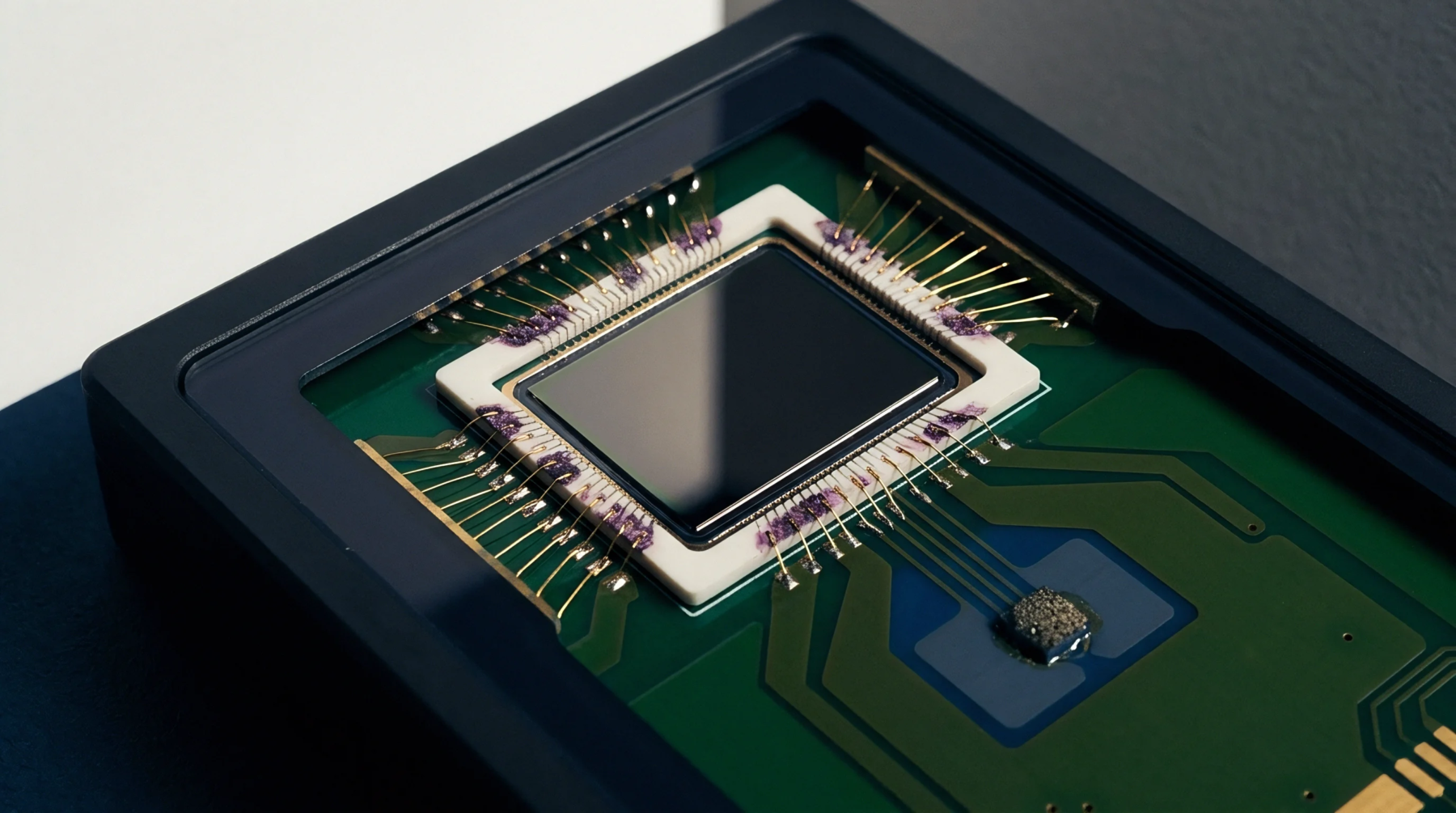
Dielectric Property
Synthetic oxide material provides high insulation resistance across elevated temperatures through a dense crystalline structure. Alumina ceramic operates as an electrical insulator in sensor housings where signal integrity requires minimal leakage current. Purity levels exceeding ninety-nine percent minimize ionic impurities that facilitate conductive paths under thermal stress.
Dielectric breakdown voltage depends upon thickness and porosity levels managed during the sintering cycle.
Thermal Stability
Dimensional shifts in this substrate remain predictable throughout operational cycles because of a low coefficient of thermal expansion. Alumina ceramic maintains mechanical rigidity while exposed to intense heat in industrial furnaces or exhaust gas sensors. Expansion rates align with metal leads to prevent hermetic seal failure during high temperature fluctuations.
Manufacturing Constraint
Powder compaction pressures determine the final density and grain size of the finished component. Alumina ceramic requires precise control over firing temperatures to avoid excessive crystal growth which degrades structural toughness. Shrinkage factors calculated during the forming phase govern the tolerances held on final machined dimensions.
Calibration Accuracy
Surface finish measurements correlate with sensor sensitivity when parts interface with secondary transduction elements. Alumina ceramic exhibits predictable dielectric constants that allow for stable capacitive coupling in high frequency measurement circuits. Precision machining removes surface irregularities to ensure consistent contact points for metallic thick film deposition.
Calibration drift stays within established limits when the material retains its inert chemical state across multiple thermal cycles.