Qualification Standard
Automotive electronics specification established by the Automotive Electronics Council to define rigorous testing for MEMS components. Compliance with aec q103 inertial sensor requirements ensures that micro-electro-mechanical devices can withstand the vibrations and temperature swings of a passenger vehicle. This document specifies the boundary between consumer-grade parts and those suitable for safety systems such as electronic stability control.
Reliability Requirement
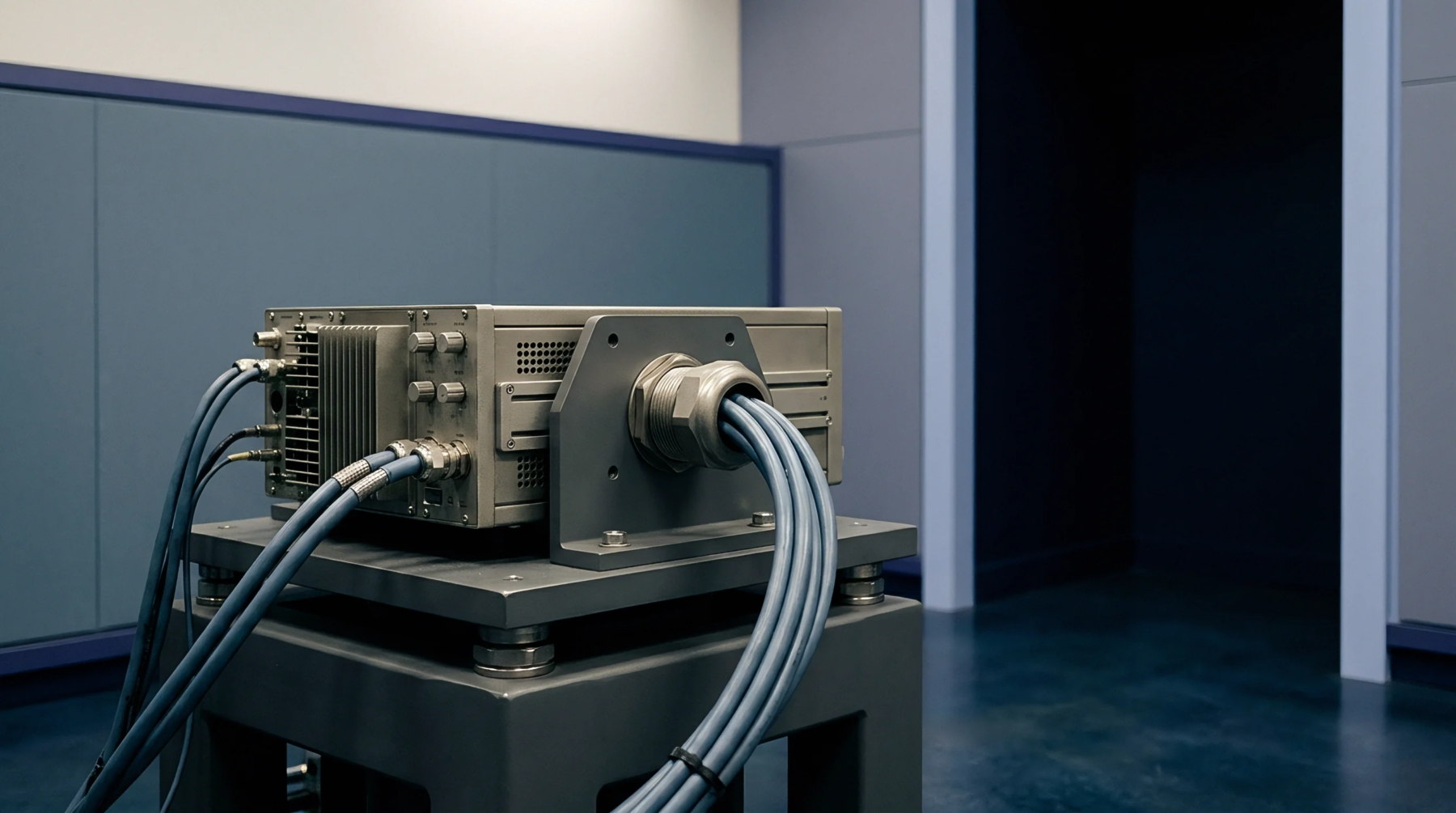
Testing protocols within the standard involve long durations of thermal and mechanical load to identify latent manufacturing defects. An aec q103 inertial sensor must pass high-temperature operating life tests that simulate thousands of hours of driving to verify that the sensing element maintains its accuracy throughout the intended lifespan of the vehicle. Verification occurs through destructive and non-destructive analysis at independent laboratories.
These laboratories look for shifts in the resonance frequency or mechanical failures in the silicon structure.
Environmental Stress
Resistance to moisture and thermal shock defines the durability of sensors under hoods or inside wheel wells. Each aec q103 inertial sensor undergoes moisture sensitivity level evaluations to prevent delamination during the assembly process. Expansion of the packaging material during soldering creates high internal pressure.
Failure occurs when trapped water turns to steam.
Failure Mode
Analysis of returned components focuses on identifying stiction or fracture within the micro-structure. An aec q103 inertial sensor requires robust internal damping to prevent resonance during high-frequency vibration. Testing limits are set by the council to ensure that mechanical noise does not trigger false deployments of safety hardware.
Precise documentation of every test result is mandatory for automotive supply chain approval.