Device Function
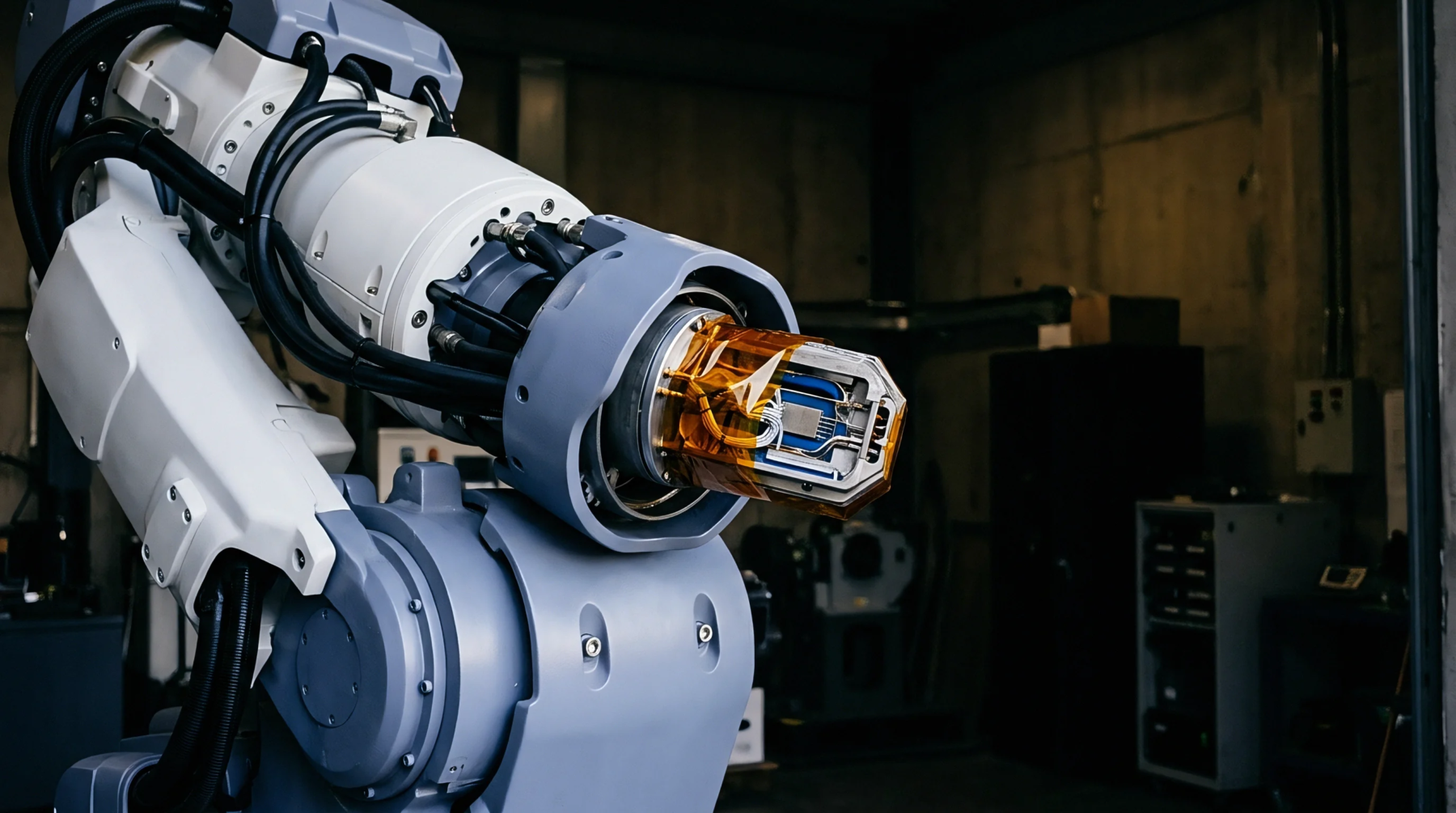
Electromechanical transducers convert kinetic energy from physical motion into proportional electrical signals for analysis. These accelerometers detect gravitational forces or vibrations to output voltages representing velocity changes along defined axes. Microelectromechanical fabrication techniques create internal proof masses suspended by springs that shift position during movement.
Output varies based on the displacement of these microscopic components relative to a fixed frame.
Calibration Precision
Proper verification requires comparing unit output against a known gravity vector or a laboratory shaker table. Standard procedures define sensitivity as the ratio of electrical output to the magnitude of physical input. Drift occurs over time due to thermal expansion or mechanical fatigue in the spring structures.
Regular zero offset checks ensure that stationary sensors report a baseline value of exactly one gravity or zero G depending on the mounting orientation. Manufacturers provide sensitivity coefficients derived from reference conditions that establish the linear range of the transducer.
Installation Constraint
Rigid coupling between the sensor and the machine housing minimizes resonance interference that degrades signal fidelity. Mounting orientation dictates which directional forces influence the internal mass during operation. Soft adhesives or loose fasteners allow high frequency noise to bypass the damping mechanisms and pollute the data stream.
Engineers verify the resonant frequency of the chosen assembly because mount stiffness directly shifts the usable bandwidth of the component.
Performance Limitation
Noise floors define the threshold below which signals become indistinguishable from internal thermal energy. Dynamic range restricts the maximum detectable acceleration before the proof mass reaches its physical stop and causes signal clipping. Low frequency accuracy fails when external vibrations match the natural frequency of the internal spring mass system.
Environmental temperature fluctuations shift the modulus of elasticity in the support structures and introduce bias errors that require active compensation or software correction. Accurate sensing depends on maintaining the structural integrity of the internal flexures throughout the operating life of the sensor.