Angular Departure
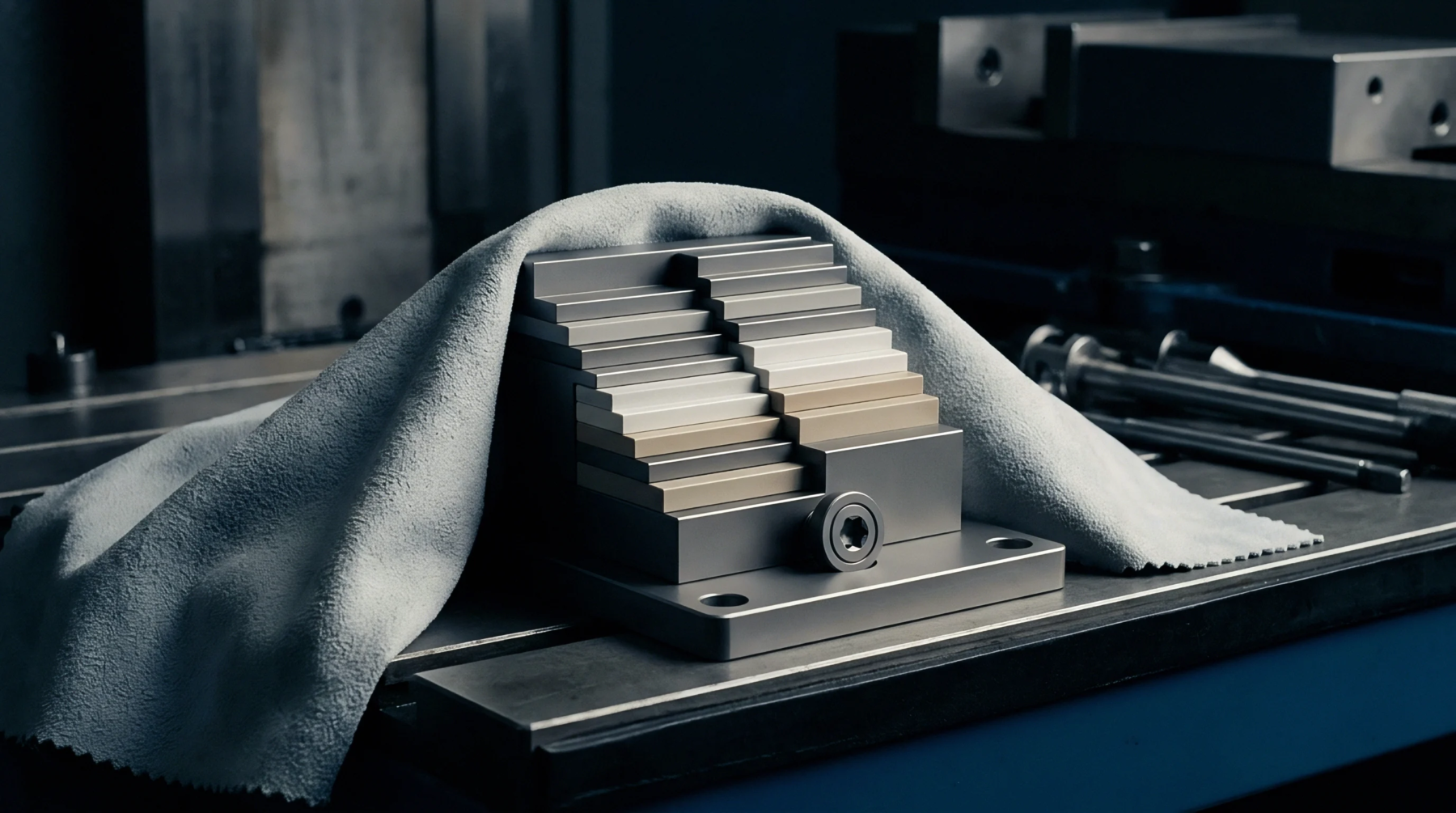
Dynamic departure of the angles between sensing axes from a perfect ninety degree relationship occurs as a function of thermal stress or age. Time varying non orthogonality introduces cross talk between channels, where a signal on the X axis erroneously appears as a small reading on the Y or Z axes. It represents a fundamental limit on the stability of a three dimensional measurement frame over long periods.
Stress Relaxation
Changes in the internal stress of the mounting frame or the adhesive bonds typically cause the axes to tilt slightly. In high precision inertial measurement units, time varying non orthogonality shifts the calibration coefficients that were set at the factory. These shifts are often small, measuring only a few arcseconds, but they accumulate into significant positioning errors during long duration navigation.
Alignment Estimation
Modern systems use Kalman filters or recursive least squares to estimate the current state of the axis alignment in real time. By comparing the outputs of the sensors against known constraints, the software can track the time varying non orthogonality and update the correction matrix accordingly. This dynamic adjustment is necessary to maintain the integrity of the data without requiring a return to a calibration facility.
Gradient Influence
Thermal gradients across the sensor package are the primary drivers of rapid axis misalignment.