Intrinsic Tension
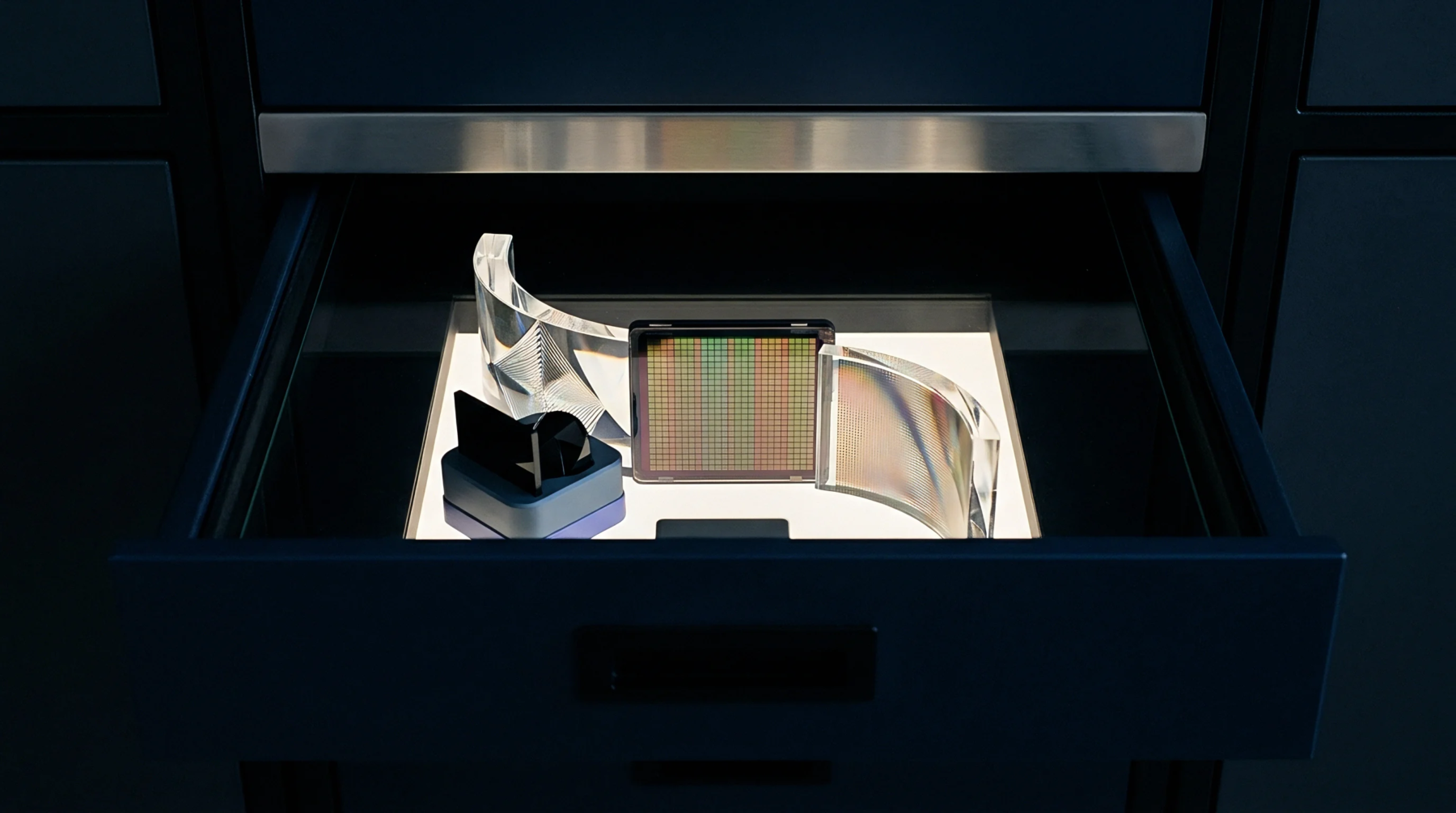
Static internal forces within deposited material layers persist after the fabrication process is complete and can lead to delamination or wafer bowing. Thin film residual stress is the result of atomic mismatches and thermal contraction differences between the coating and the substrate. This pressure can be either tensile, pulling the surface inward, or compressive, pushing it outward.
It is a major factor in the reliability of micro-mirrors and optical coatings. Engineers must control these forces to ensure the flat surface required for high resolution imaging.
Deposition Variable
Conditions inside the vacuum chamber determine the final state of the layer. Factors like the plasma power and the gas pressure directly influence the thin film residual stress during the growth of the material. By adjusting these settings, a technician can tune the stress to be near zero.
Stoney Equation
Calculation of the stress magnitude is based on the change in the curvature of the wafer. Using the Stoney equation, the thin film residual stress is derived from the measured bow and the elastic properties of the substrate. This provides a numerical value that can be compared against the design specification.
Film Adhesion
Excessive force at the interface can cause the coating to peel away from the wafer. If the thin film residual stress exceeds the bond strength of the material, the device will fail immediately. Verification is performed using a tape test or a scratch test after the deposition is finished.