Curing Mechanism
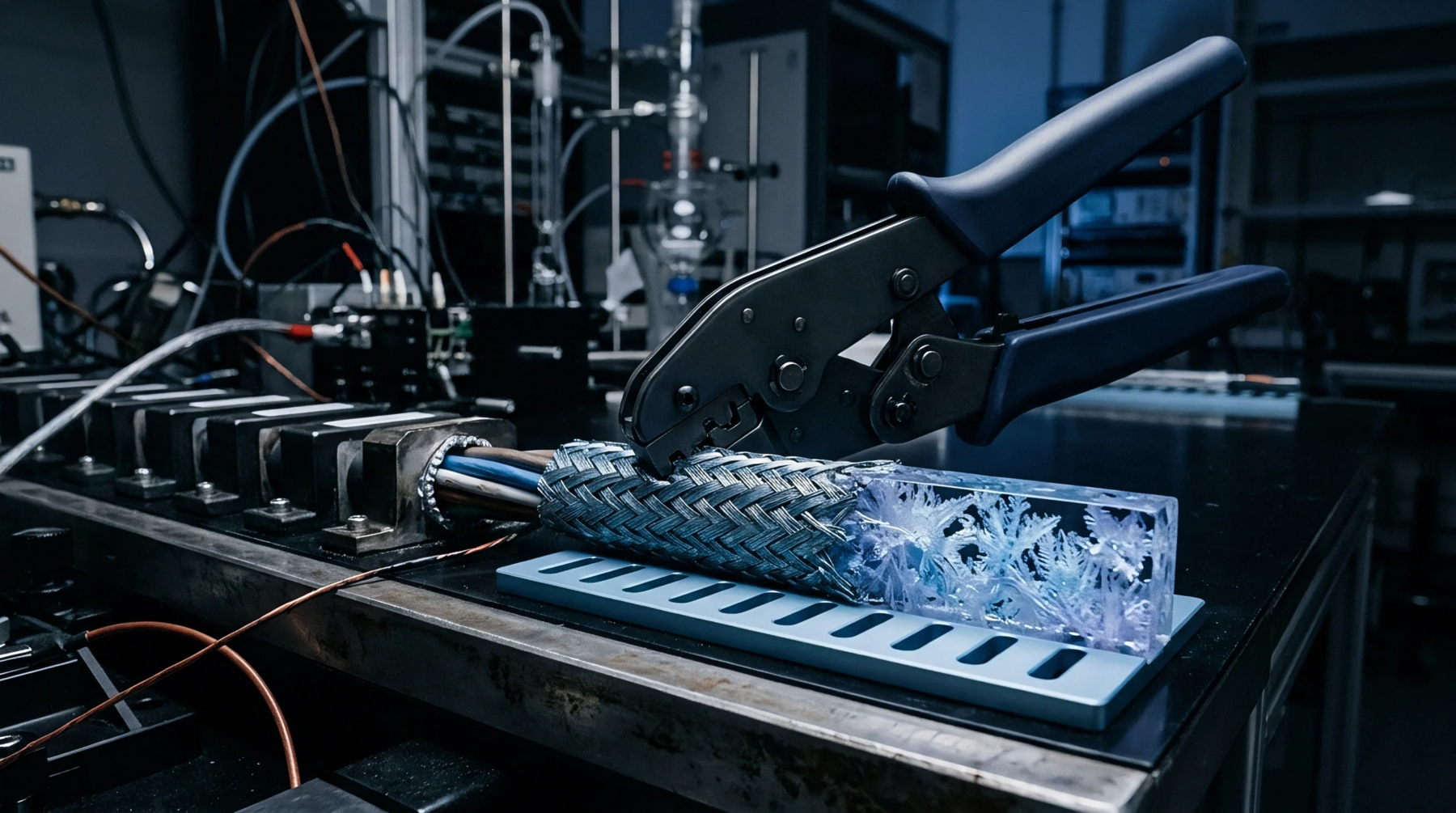
Polymeric substances undergo a permanent chemical reaction to form a rigid, three dimensional network when cured with heat or a catalyst. In industrial assembly, a thermosetting adhesive provides a high strength bond that does not melt or flow when reheated. This crosslinking process transforms the initial liquid or paste into a solid that is resistant to most solvents and chemicals.
The final properties are determined by the chemistry of the resin and the conditions of the cure.
Network Formation
The transition from a liquid to a solid occurs as the reactive groups on the polymer chains form covalent bonds with each other. For a thermosetting adhesive, this reaction is typically exothermic, meaning it releases heat as the network forms. If the heat is not managed, it can lead to internal stresses or even the charring of the material.
Monitoring the degree of cure is essential to ensure that the bond has reached its full mechanical strength before the part is put into service.
Industrial Application
These materials are widely used in aerospace and automotive manufacturing where durability and heat resistance are critical. Unlike a thermoplastic, a thermosetting adhesive maintains its structural integrity at temperatures that would cause other glues to fail. Because the bond is permanent, the parts cannot be easily separated once the cure is complete, which requires high precision during the initial assembly.
Common types include epoxies, phenolics, urethanes and polyimides, each offering a different balance of toughness and thermal stability. Engineers select the specific chemistry based on the materials being joined and the expected environmental exposure.
Storage Requirement
Uncured resins often have a limited shelf life and must be kept in a climate controlled environment to prevent premature reaction. Regular testing of the viscosity and reactivity ensures the material is still fit for use.