Directional Variance
Measurement errors resulting from temperature differences across a sensor body cause the output to deviate based on the direction of the temperature change. A thermal gradient hysteresis appears when internal mechanical stresses do not relax at the same rate during heating as they do during cooling. This effect creates a loop in the calibration curve where the same temperature point yields different readings.
Sensors used in outdoor environments often encounter this phenomenon during rapid weather changes.
Material Stress
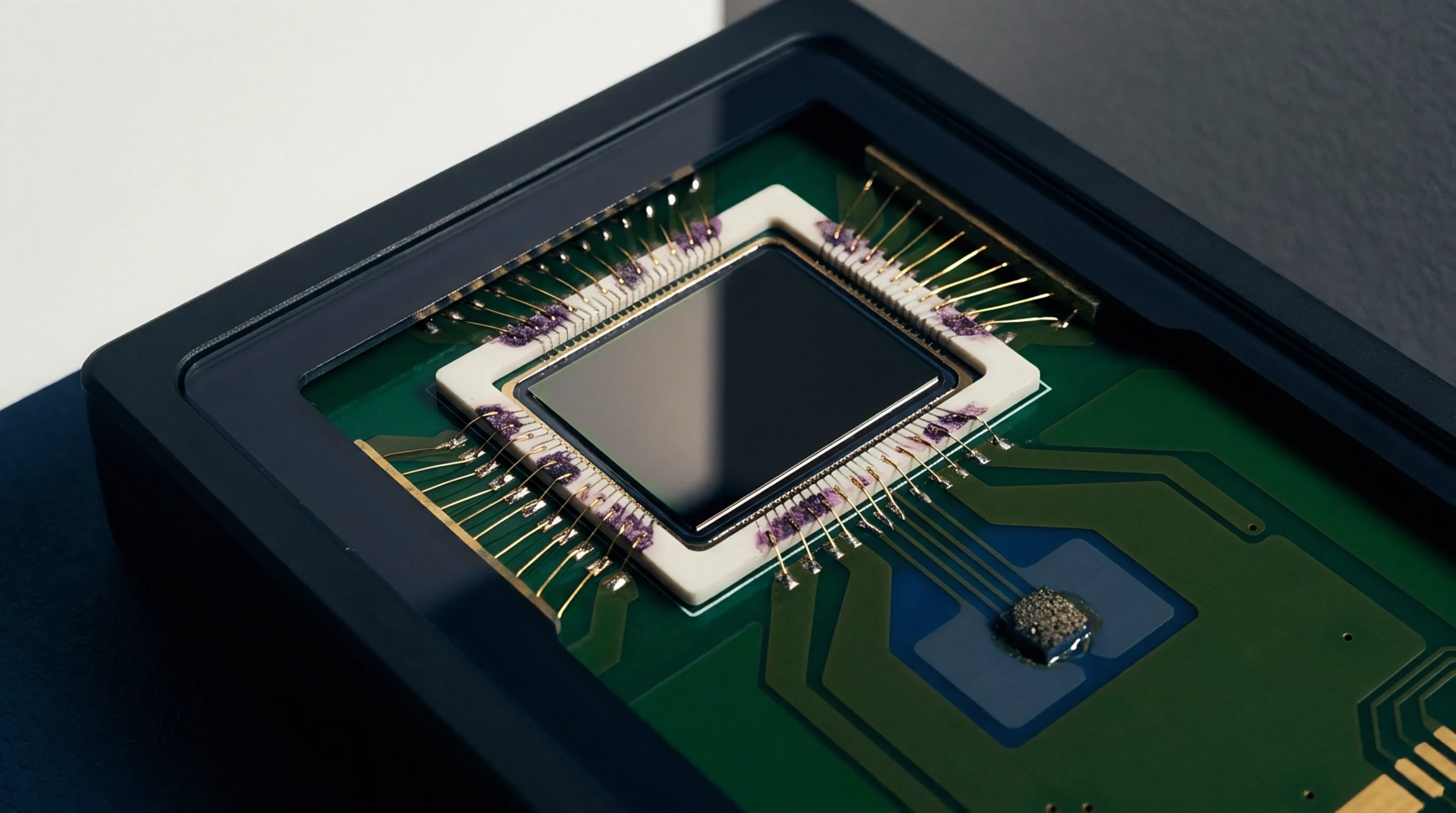
Mechanical stress in the packaging material drives the shift in sensor output. When a device undergoes a temperature cycle, the expansion coefficients of the silicon and the ceramic carrier differ. These stresses influence the electrical properties of the sensing element.
A lag in the distribution of heat through the assembly further complicates the return to equilibrium.
Calibration Offset
Correcting for this error requires a model that accounts for the thermal history of the device. Because the offset depends on the previous temperature state, a simple lookup table is insufficient. The thermal gradient hysteresis is measured by logging the sensor output during a slow ramp up and ramp down of the ambient temperature.
This data allows the software to compensate for the lag in the sensor response.
System Stabilization
High stability sensors are constructed with materials that match thermal expansion rates to minimize this error. Designers evaluate this drift by performing multiple cycles between the upper and lower temperature limits. The width of the resulting loop defines the stability of the instrument.
System integration involves providing sufficient thermal insulation to slow down the rate of temperature change. This stabilization reduces the magnitude of the gradient and improves the repeatability of the measurements.