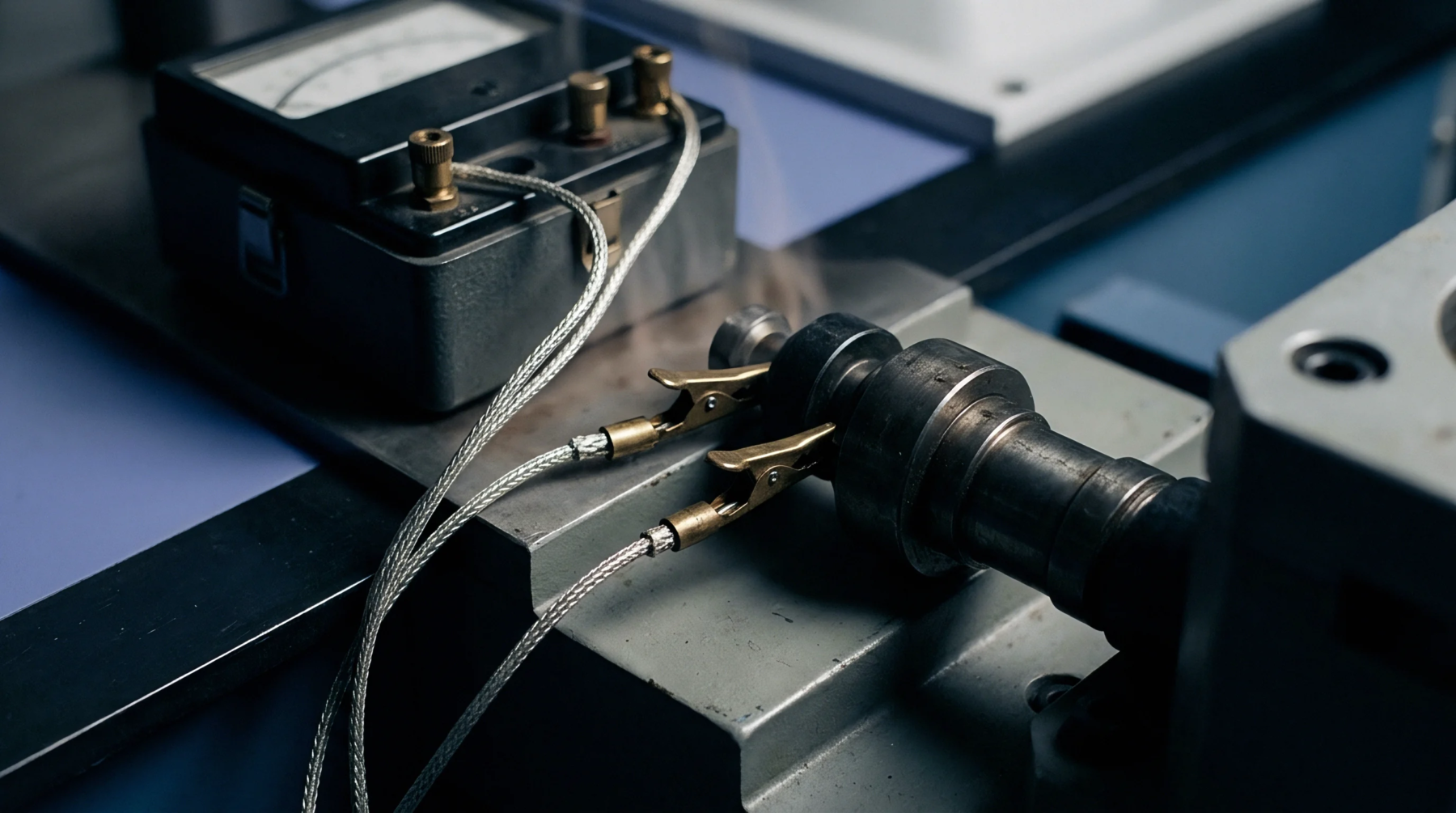
Dynamic Characteristic
Operational parameters that describe how quickly a thermal sensor adapts to a sudden change in environmental temperature define its speed of adjustment. The temperature step response is the output signal of the sensor as a function of time when it is rapidly transferred from one stable temperature to another. It is characterized by the time constant, which is the time required for the sensor to reach sixty-three point two percent of the total temperature change.
This value is measured in seconds and is used to evaluate the dynamic tracking capability of the sensor.
Thermal Mass
The physical size and material composition of the sensor housing determine the speed of the transition. A larger housing increases the thermal capacity of the system, which lengthens the temperature step response of the device. Miniaturized sensors and bare thermistors have a much shorter response time due to their low thermal mass.
Boundary Condition
Environmental conditions affect the rate of heat transfer into the sensor during a test. A temperature step response measured in stirred water is much faster than one measured in still air because water has a higher thermal conductivity and heat capacity.
Sensor Selection
Systems that monitor rapid thermal processes require sensors with a short response time to prevent control lag. This calculation is used to select the correct sensor design for automotive engine and process control loops.