Opening Specification
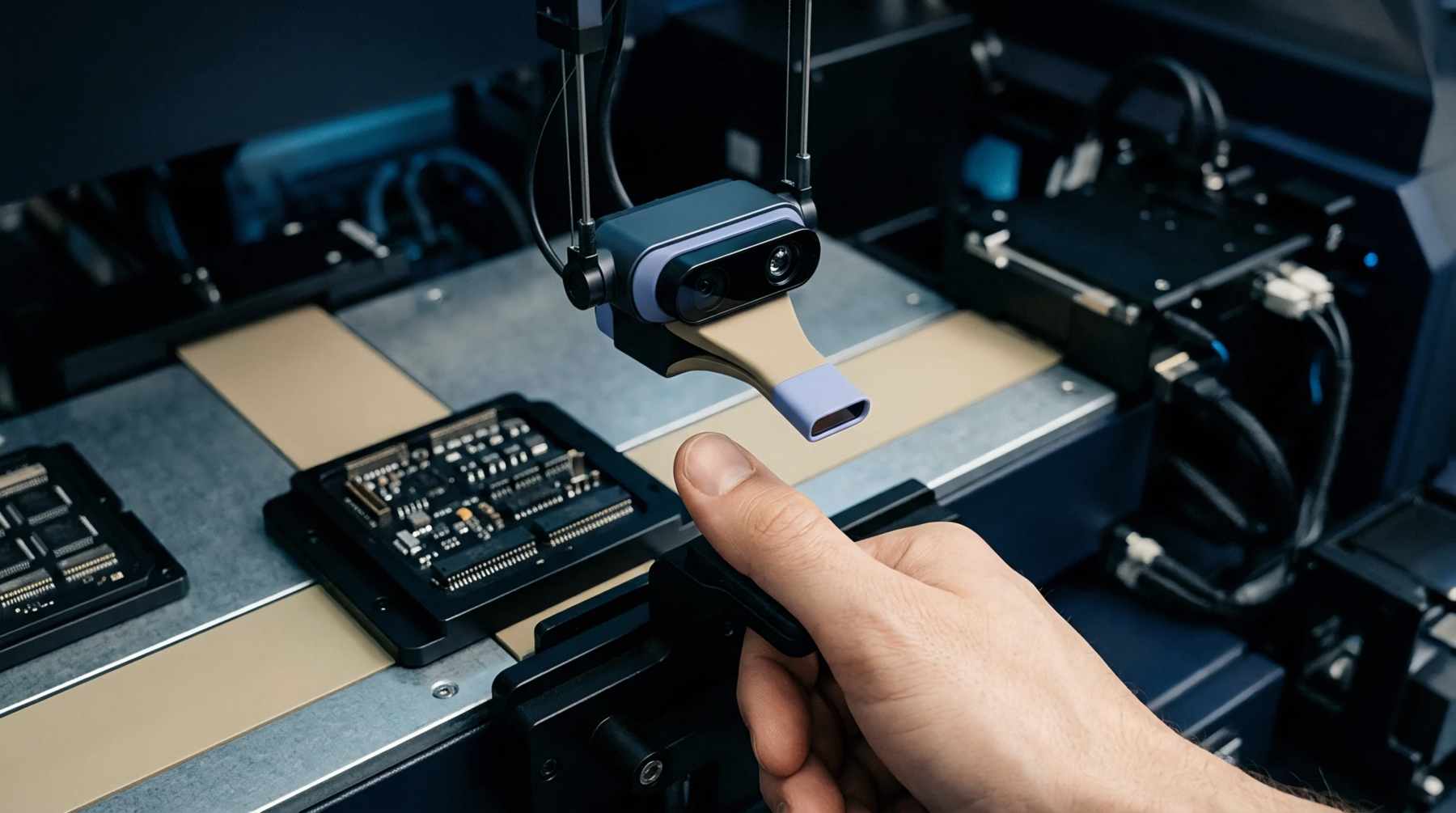
Manufacturing layout specifications govern the size and shape of the openings in a metal foil used for solder paste printing. The stencil aperture design dictates how much paste is deposited onto the pads of a printed circuit board before component placement. This process involves adjusting the dimensions of the holes relative to the copper pads to ensure optimal solder volume and alignment.
Transfer Efficiency
Such layout specifications govern the size and shape of the openings in a metal foil used for solder paste printing. Engineers often specify an area ratio for the opening to ensure that the paste releases cleanly from the stencil during the printing process. When a stencil aperture design is optimized, the amount of paste left inside the hole is minimized, leading to consistent joint formation.
Modifications such as rounded corners or tapered walls improve the flow of the material and reduce the occurrence of solder balls.
Home Plate
Home plate or bow tie shapes are sometimes used for large pads to control the spread of the alloy.
Correct Sizing
Correct sizing prevents bridges between fine pitch pins and ensures there is enough material for a reliable connection on larger components. This design stage is necessary for achieving high yields in modern surface mount assembly lines.