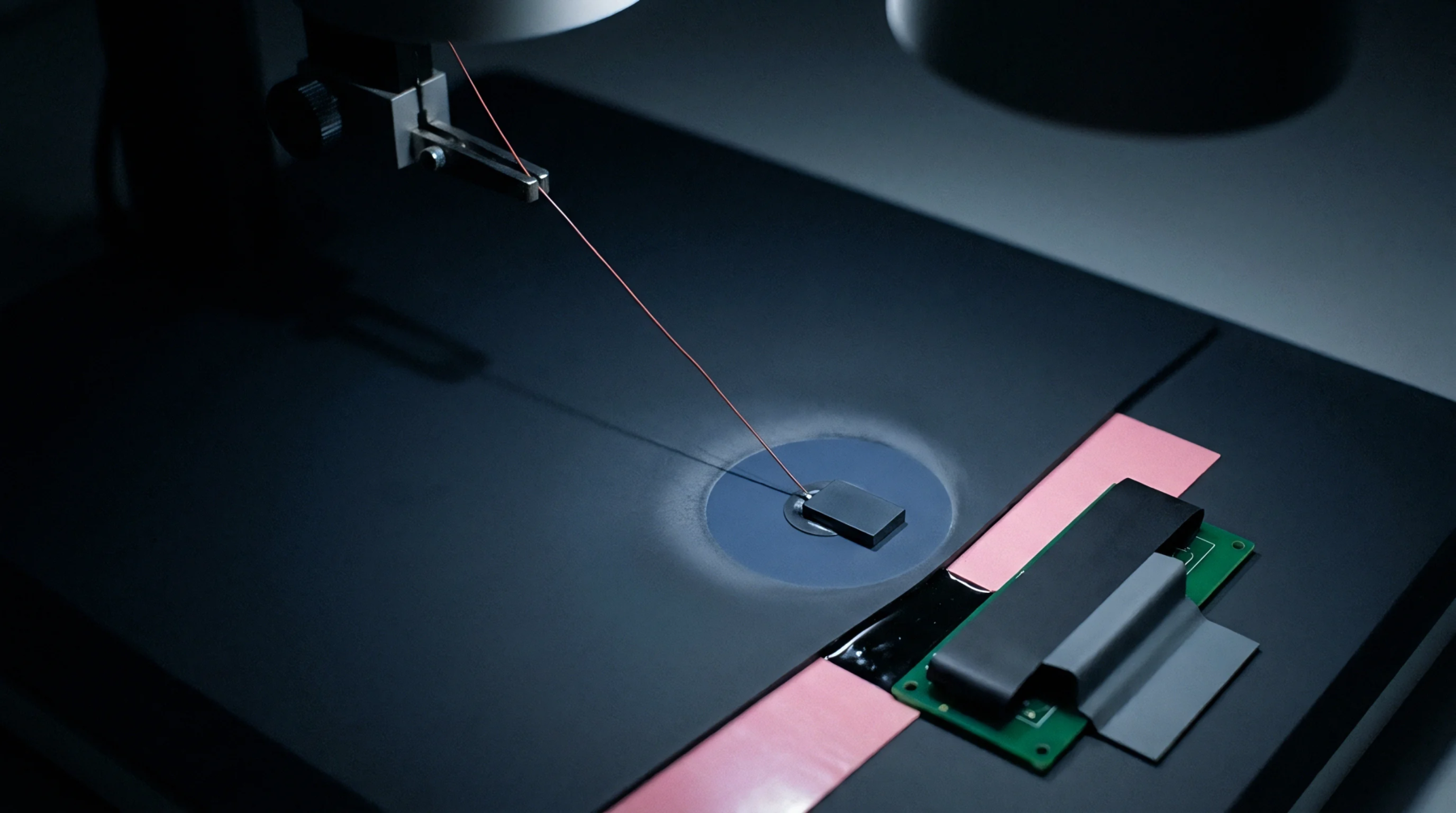
Structural Core
Metal support structures inside integrated circuit packages provide the electrical connection paths and thermal channels from the silicon die to the external board pads. The dimensions and finish of a soic leadframe determine both the coplanarity of the finished pins and the long-term reliability of the surface mount joint. The structure is typically stamped or chemically etched from a thin strip of copper alloy.
Manufacturing Process
Etching allows for finer lead pitches than stamping. Once the pattern is formed, the leadframe is plated with silver to enhance solderability and prevent oxidation. This plating layer is essential for wire bonding.
Thermal Pathway
Heat generated by the silicon die is conducted away through the die paddle to the leadframe pins. Designing a larger die paddle or using specialized high-thermal-conductivity copper alloys improves heat dissipation from the package. This thermal management is essential to prevent the sensor from overheating during continuous operation, thereby reducing thermal drift and maintaining the accuracy of the silicon circuitry.
In automotive or high-reliability applications, additional thermal ground pins are connected directly to the leadframe to provide a direct path to the board.
Solder Reliability
Coplanarity of the leadframe pins must be tightly controlled during manufacturing to ensure all pins make contact with the solder paste on the circuit board. If a pin is bent or misaligned, it may fail to form a solder joint, resulting in an open circuit. Automated optical inspection verifies the coplanarity before the integrated circuit is packed for shipment.