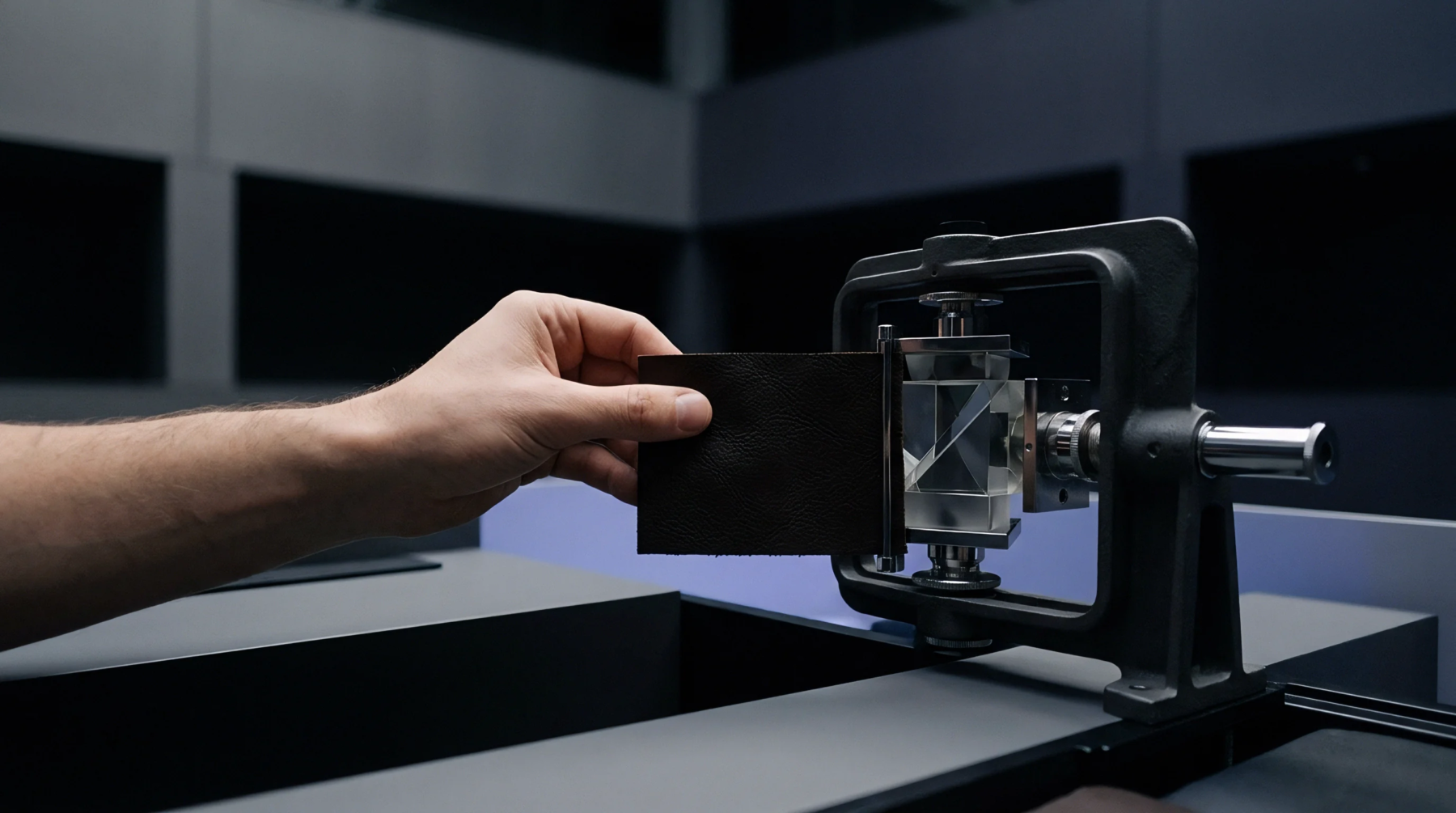
Gravimetric Transduction
Relative field instruments detect minute spatial variations in gravitational pull by monitoring the displacement of a proof mass supported on a fused quartz spring mechanism. In geophysical exploration, geodetic leveling, and micro-gravity hazard assessment, the scintrex cg6 measures relative gravity differences between survey stations with sub-microgal reading resolution. The instrument integrates a capacitive displacement sensor that detects physical movements of its quartz proof mass within an enclosed, vacuum-sealed sensor chamber.
Electrostatic forces counteract mass displacement to return the proof mass to a null position, translating the feedback voltage directly into calibrated gravity units. The sealed sensor architecture isolates the internal spring from external barometric variations and atmospheric humidity.
Electrostatic Feedback
Continuous closed-loop nulling minimizes mechanical hysteresis and non-linear spring responses during station measurements. The internal sensor array of the scintrex cg6 applies pulse-width modulated electrostatic feedback voltages to balance the proof mass precisely against local vertical gravitational forces. This electrostatic restoration prevents the delicate quartz spring from experiencing large physical excursions, preserving measurement repeatability across broad spatial surveys.
High-frequency digital signal processors sample displacement data at hundreds of hertz, running automated filtering algorithms that reject cultural noise, nearby traffic vibrations, and high-frequency seismic tremors.
Thermal Susceptibility
Quartz spring elasticity changes with temperature, necessitating two-stage thermal regulation around the inner sensor module. Ambient temperature fluctuations threaten measurement accuracy because the thermo-elastic coefficient of fused quartz requires thermal stabilization within millikelvin tolerances to suppress mechanical baseline drift. The scintrex cg6 houses its sensor inside a dual-stage, thermostatted enclosure that maintains an internal operating temperature above maximum expected ambient extremes.
Residual thermal drift appears as a linear or low-order polynomial offset across survey legs, which field operators remove by reoccupying reference base stations at scheduled intervals throughout the working day. Uncompensated tilt introduces cosine errors into vertical gravity readings, requiring real-time corrections derived from internal dual-axis tilt sensors.
Survey Calibration
Verification procedures require regular calibration runs over established gravimetric baselines to confirm scale factor accuracy and track spring aging. Field validation protocols for the scintrex cg6 demand baseline measurements along established national gravity loops where absolute gravity values are known from ballistic meter surveys. Comparing observed instrument reading differences against certified absolute station values calculates the precise calibration scale multiplier, correcting for secular drift in quartz mechanical properties.
Procurement audits check daily tare shifts, tilt sensor calibration offsets, and residual drift rates during acceptance testing to confirm compliance with geophysical survey standards before field mobilization.