End of Life Notices That Take One Package and Spare Another
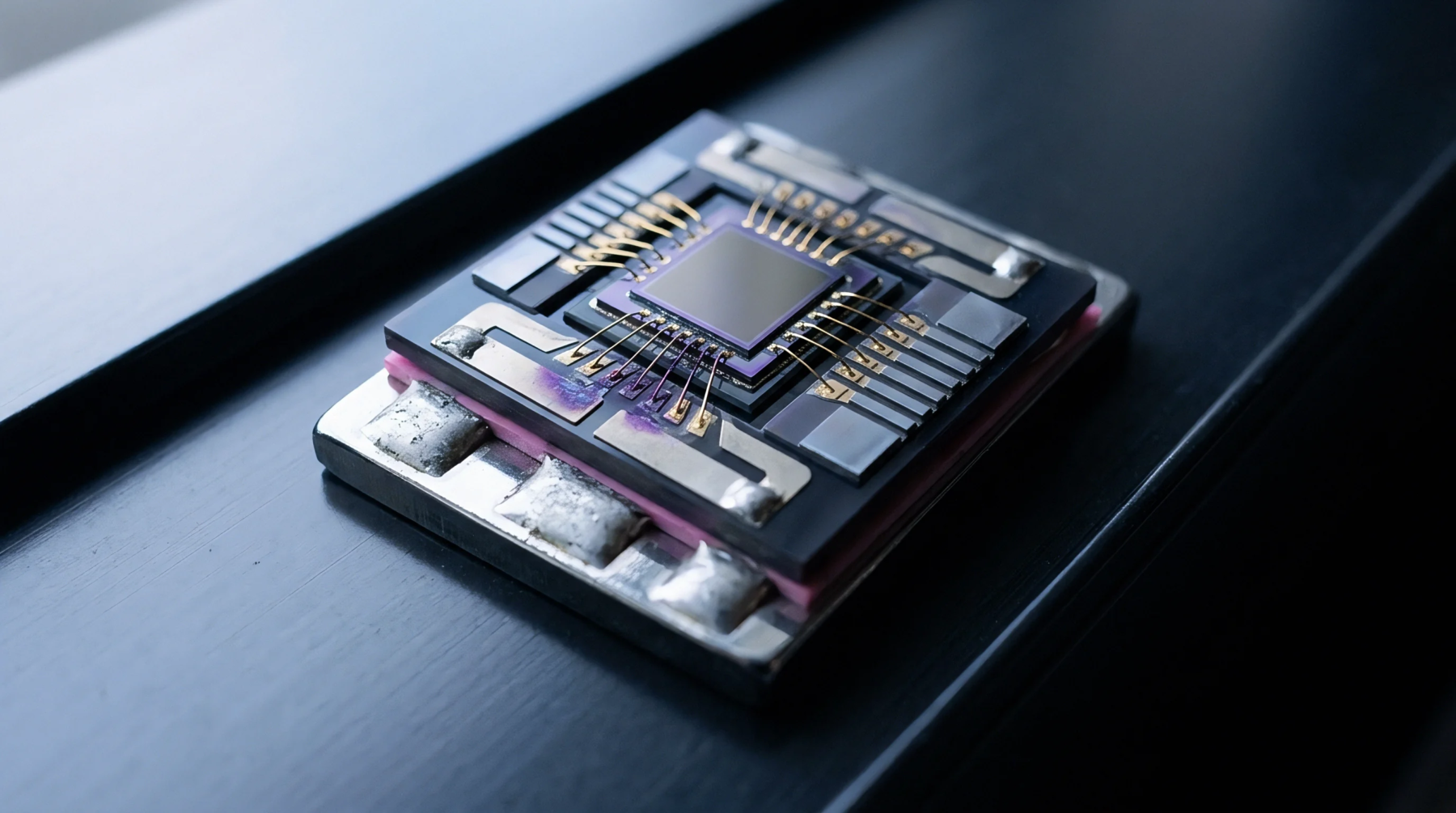
When component vendors end leaded packages, identical active silicon dies often survive in surface-mount forms that demand revised land patterns and thermal layouts.
An official document signals the permanent cessation of manufacturing for a specific component or system after a predetermined timeline concludes. Organizations issue a product discontinuance notice to inform supply chain partners, distributors, and integration engineers that a catalog item approaches its end of life. This instrument governs the lifecycle transitions between active production and long term obsolescence.
It defines the cutoff point for accepting final orders and establishes the cutoff date for shipping final units to remaining buyers. The scope of this document extends to electronic sensors, hardware modules, and proprietary sensing assemblies within industrial control frameworks. Vendors provide these notices to allow procurement teams time to locate replacements or secure last time buy quantities before assembly lines cease operations entirely.
Establishing a clear timeline for the termination of parts prevents unplanned system outages during critical integration projects. The supplier communicates a final purchase date and a final delivery date to freeze the demand side of the supply chain. Engineers use these dates to trigger design reviews or initiate secondary source qualification processes.
If a replacement module lacks backward compatibility with existing PCB layouts or firmware versions, the notice acts as a catalyst for a comprehensive hardware refresh. Each document includes specific part numbers and suggests alternative equivalents when available. These technical suggestions assist design teams in avoiding complete system redesigns when a single component enters retirement.
Accurate tracking of these notices prevents the drift of device performance when legacy sensors transition toward support withdrawal. Integration testing confirms that any recommended replacement hardware maintains the sensitivity, linearity, and signal conditioning of the original unit. Technicians verify that the replacement sensor operates within the same tolerances and thermal boundaries established by the initial specifications.
Any deviation from these baseline requirements signals a need for recalibration or firmware updates to the acquisition chain. Installation effects must remain consistent because variances in the mechanical mounting or electrical shielding produce noise that invalidates measurement data. Calibration certificates remain valid only for the specific serial numbers manufactured prior to the cutover date.
Strict adherence to the dates outlined in the notice shields organizations from supply gaps that degrade production yield. Logistics planners monitor these periods to avoid accumulation of dead stock while ensuring sufficient inventory covers the transition window. Contracts often stipulate that notice delivery must occur months before the final production run completes to provide a buffer for inventory validation.
Procurement departments cross reference the provided part identifiers against current bills of material to identify high risk dependencies early. Effective communication of these termination schedules maintains the integrity of the measurement environment by ensuring that replacement components undergo verification before the original stock exhausts. Systematic tracking of these events remains the primary safeguard against unforeseen shortages in complex technical systems.
When component vendors end leaded packages, identical active silicon dies often survive in surface-mount forms that demand revised land patterns and thermal layouts.
Expertise is a utility, not a secret. sentiention™ publishes its working knowledge as open reference: intelligence layer covering the materials it sources, the markets it enters, and the reference that serves both.