Thermal Stress
Semiconductor junction reliability depends on repetitive electrical pulsing that generates high localized temperatures within the silicon die. Power cycling subjects power electronic devices to controlled thermal loads by switching current on and off through the semiconductor structure. Accelerated lifetime testing relies on this method to induce thermomechanical fatigue in solder joints, wire bonds, and metallization layers without introducing chemical contaminants.
Mechanical degradation manifests as void formation under the chip or wire lift off due to the differing thermal expansion coefficients of adjacent packaging materials.
Junction Temperature
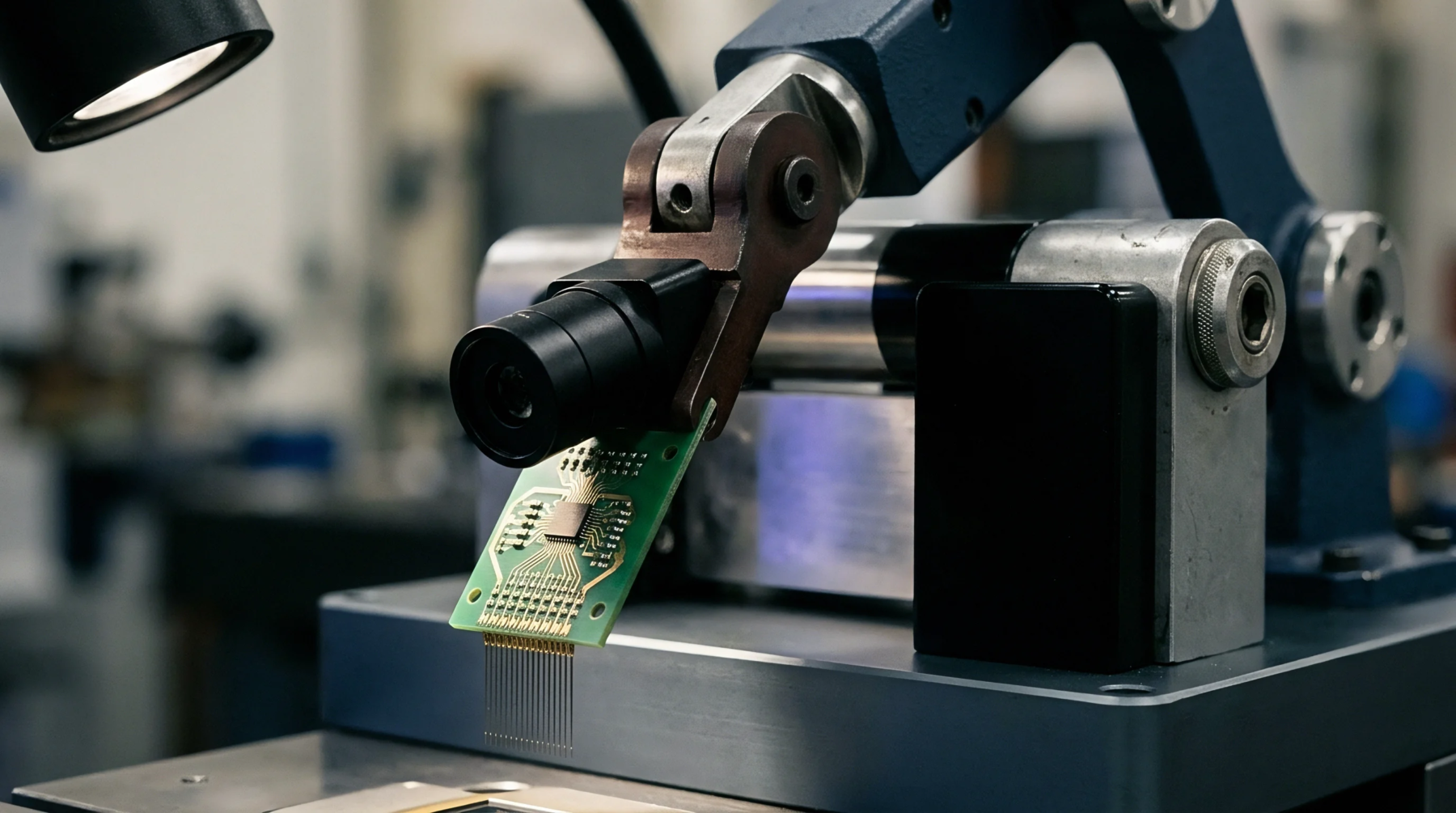
Transient thermal impedance governs the rate at which heat transfers from the active semiconductor junction to the external heat sink during operation. Real-time temperature measurement during testing utilizes the temperature-sensitive electrical parameter method, tracking forward voltage drop under a low measuring current after the heating pulse ceases. Calibrating this relationship accurately requires steady-state reference conditions in an oil bath to eliminate ambient fluctuations before recording thermal voltage coefficients.
Thermal resistance calculations combine measured power dissipation values with observed temperature swings to quantify degradation rates over extended test durations.
Failure Criteria
Degradation thresholds define the end of a device useful life when specific electrical parameters exceed predefined percentages of their initial baseline values. Forward voltage increases by a fixed margin, typically five to ten percent, indicating a reduction in active silicon area or an increase in contact resistance at the die attachment interface. Thermal resistance rises concurrently because microcracks in the solder layer impede heat flow toward the cooling structure.
Catastrophic destruction occurs if thermal runaway develops from localized hot spots, melting the aluminum wire bonds and causing open-circuit faults across the terminals.
Stress Controller
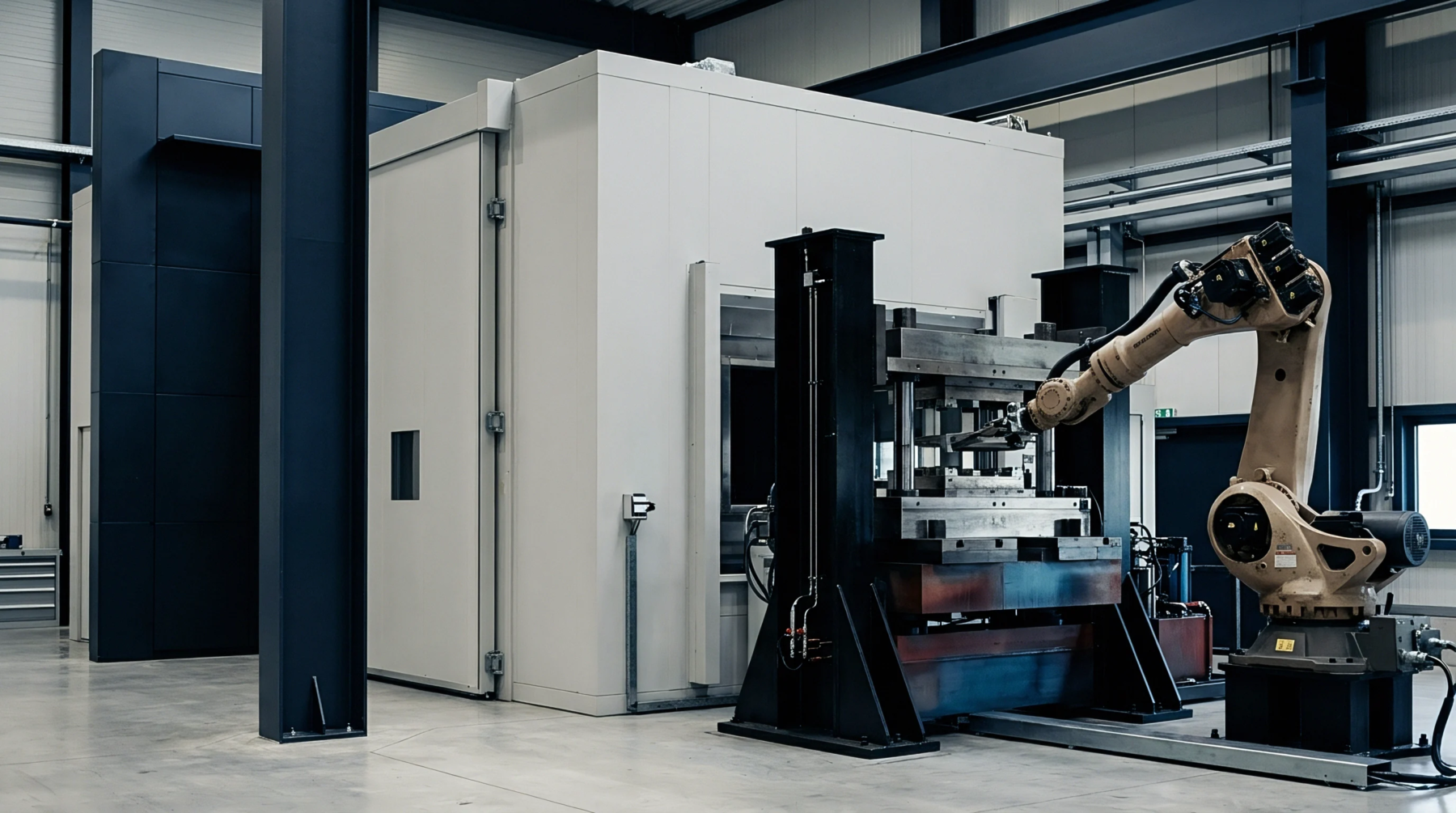
Automated test benches regulate cycle times and current magnitudes to simulate specific operational profiles encountered in traction inverters or wind turbine converters. Programmable DC power supplies deliver high current pulses during the heating phase, while liquid cooling loops or Peltier elements control the rapid cooling phase. Monitoring systems record millions of continuous cycles while logging voltage, current, and temperature parameters at high acquisition rates to capture degradation kinetics.
Test duration is determined by the target mission profile, requiring thousands of hours of continuous operation to establish statistical failure distributions for high-reliability semiconductor components.