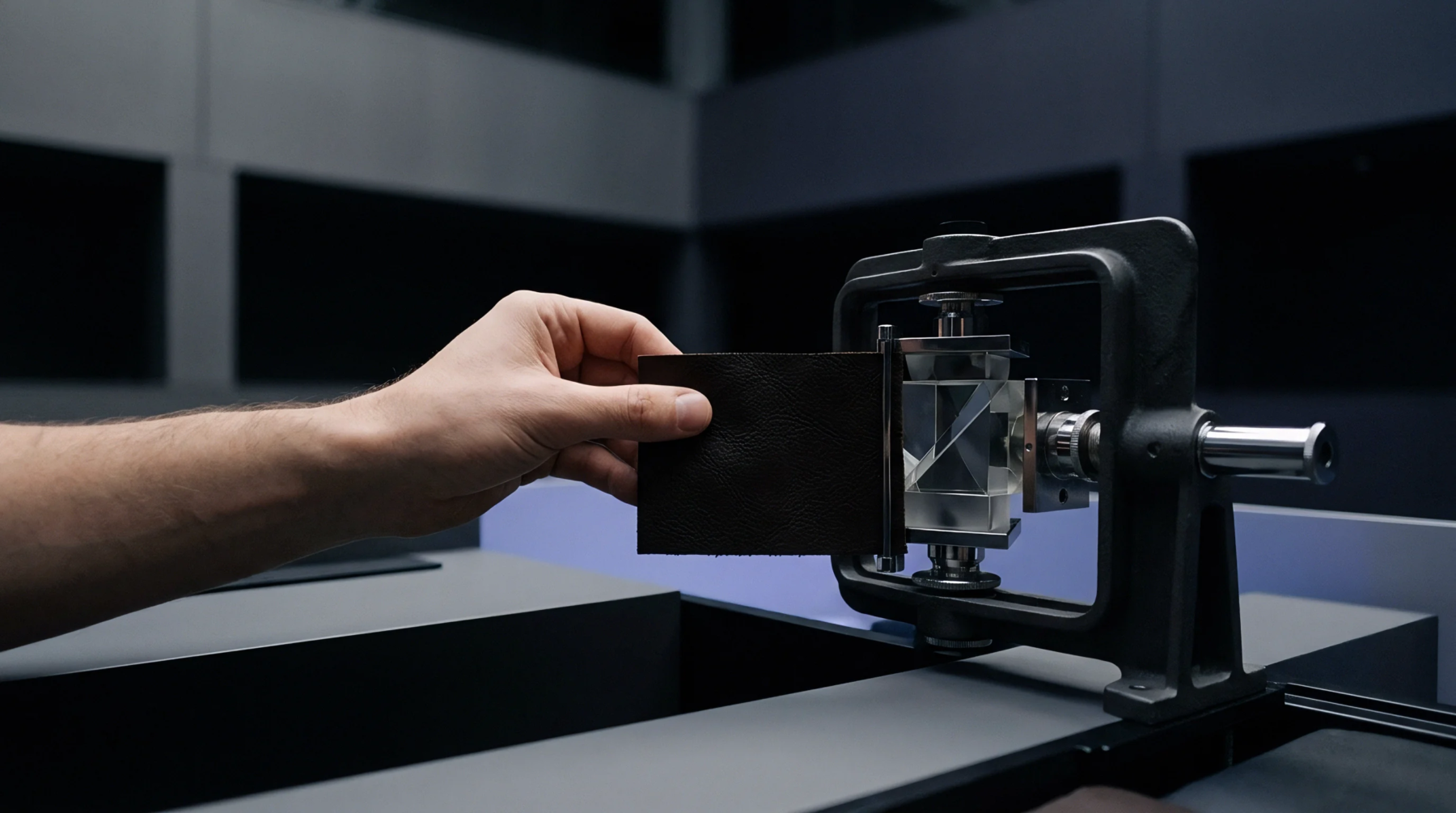
Force Calibration
Compressive spring travel defines the interaction between a spring probe and its target surface to ensure electrical continuity. Pogo pin loading constitutes the mechanical resistance encountered when the plunger translates into the barrel against the internal spring force. Designers quantify this magnitude in gram force or millinewtons at a prescribed working travel distance.
Accurate measurement relies on vertical alignment within a test fixture to prevent side loads that induce friction or barrel binding.
Measurement Standards
Precision instruments verify these forces by applying a controlled displacement while monitoring the resistive counter force through a load cell. Proper pogo pin loading depends on the spring constant and the preload setting established during manufacturing. Environmental conditions including temperature gradients alter the modulus of the spring material, which causes a measurable drift from the nominal specification.
Regular calibration against a traceable mass standard identifies wear or fatigue that reduces the effective contact force over time.
Operational Constraints
Mechanical interference arises when insufficient contact pressure allows high frequency noise or signal bounce to degrade measurement integrity. Excessive pogo pin loading accelerates surface erosion on both the probe tip and the target pad by increasing friction and plating wear. Technicians evaluate the travel range to confirm the device operates within its linear elastic region without reaching the solid height position.
Operation at the extreme end of the stroke risks permanent deformation of the spring coil.
System Impact
Signal reliability remains the primary objective of controlling these mechanical parameters in high density interconnect arrays. Stable contact resistance requires a force profile that maintains engagement despite vibration or board warpage. Uniformity across an entire array prevents uneven distribution of wear that leads to intermittent connectivity.
Consistent application of contact force ensures signal path stability throughout the service life of the test hardware.