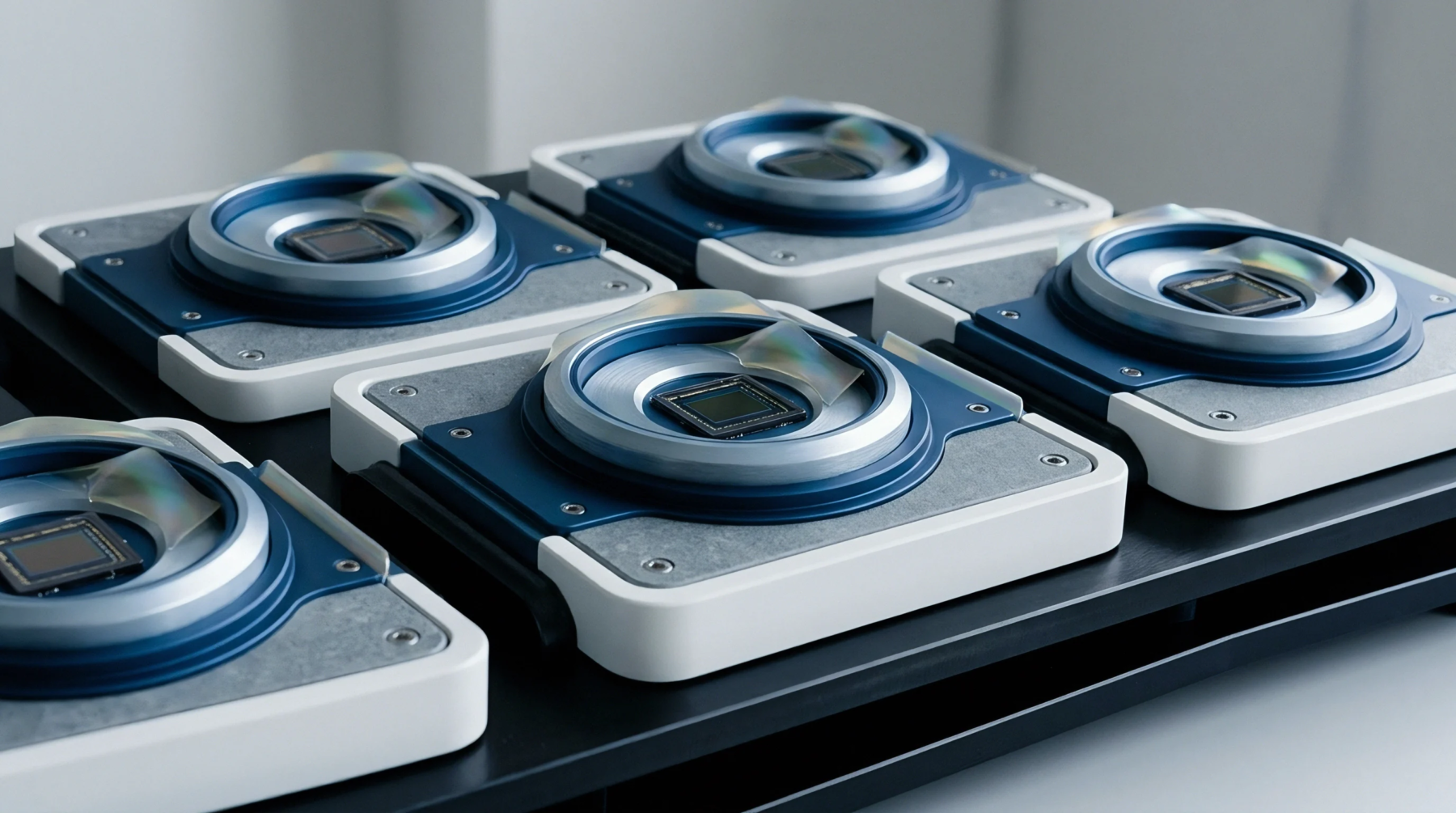
Heat Distribution
Spatial variations in thermal energy transfer per unit area distort the output of localized temperature and flow transducers. This non uniform heat flux creates localized hotspots and micro-scale thermal gradients across the active sensing surface of the device. The imbalance results in a reading that does not represent the average thermal state of the system.
Sensor Misalignment
When a heat flux sensor is mounted close to a corner or an obstruction, the boundary layer of the fluid flow is disrupted. This disruption leads to an uneven rate of heat transfer that varies across the face of the sensor. The resulting non uniform heat flux creates measurement discrepancies because the sensor calibration assumes a homogeneous thermal field.
This issue is particularly acute in turbulent flow regions where rapid convective changes occur.
Material Heterogeneity
Variations in the thermal conductivity of the sensor substrate or the adhesive layer can cause uneven thermal pathways. If the sensor is mounted using an adhesive with air pockets, heat transfers more slowly through those regions than through the fully bonded areas. This discrepancy generates thermal stress and alters the response time of the transducer.
Compensation Analysis
Averaging arrays of micro-sensors and thermal barriers with high conductivity help to distribute the thermal load evenly across the detector. This thermal design approach reduces the influence of local gradient variations by smoothing out the temperature field. Standard test procedures utilize guarded hot plate methods to verify that the sensor response remains consistent across the entire active area.