Diffusion Rate
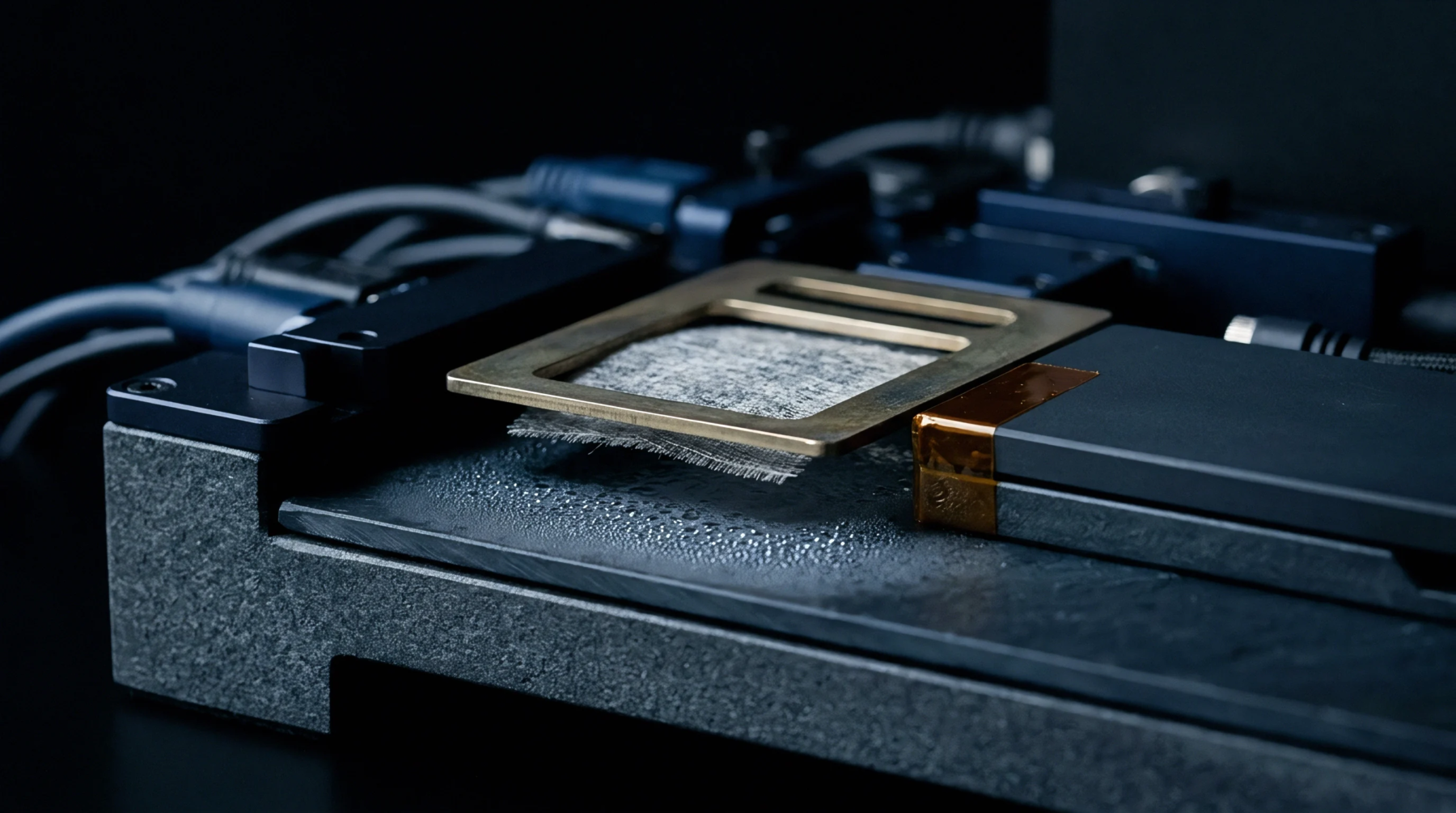
Water vapor penetration into plastic molding compounds dictates the rate at which electronic components accumulate moisture on the assembly floor. The study of moisture absorption kinetics tracks how water molecules diffuse through polymer structures over time under specific humidity and temperature levels. This information is vital for predicting when a package will exceed its critical moisture limit and become vulnerable to reflow damage.
Moisture Profiling
Concentration gradients across the package thickness drive the speed of water molecules entering the plastic matrix. In moisture absorption kinetics, the diffusion coefficient increases exponentially with temperature, making hot and humid storage conditions far more hazardous than dry environments. Engineers use these kinetic profiles to calculate safe storage windows for components that are exposed to ambient room conditions.
This helps to prevent premature device failures.
Metrological Assessment
Measurement of these diffusion parameters requires long-term environmental chamber exposure paired with highly accurate weight checks. These checks document the mass gain of the material over days or weeks of exposure. The resulting absorption curve is analyzed to calculate both the diffusion rate and the saturated moisture concentration of the compound.
These values are used to set the moisture sensitivity level of the device.
Process Constraint
The physical complexity of multi-material packages makes simple kinetic models difficult to apply to complete assemblies. Different materials such as the die attach adhesive, the molding compound, and the substrate have unique diffusion rates, which can create localized pockets of high moisture content.