Sensor Calibration
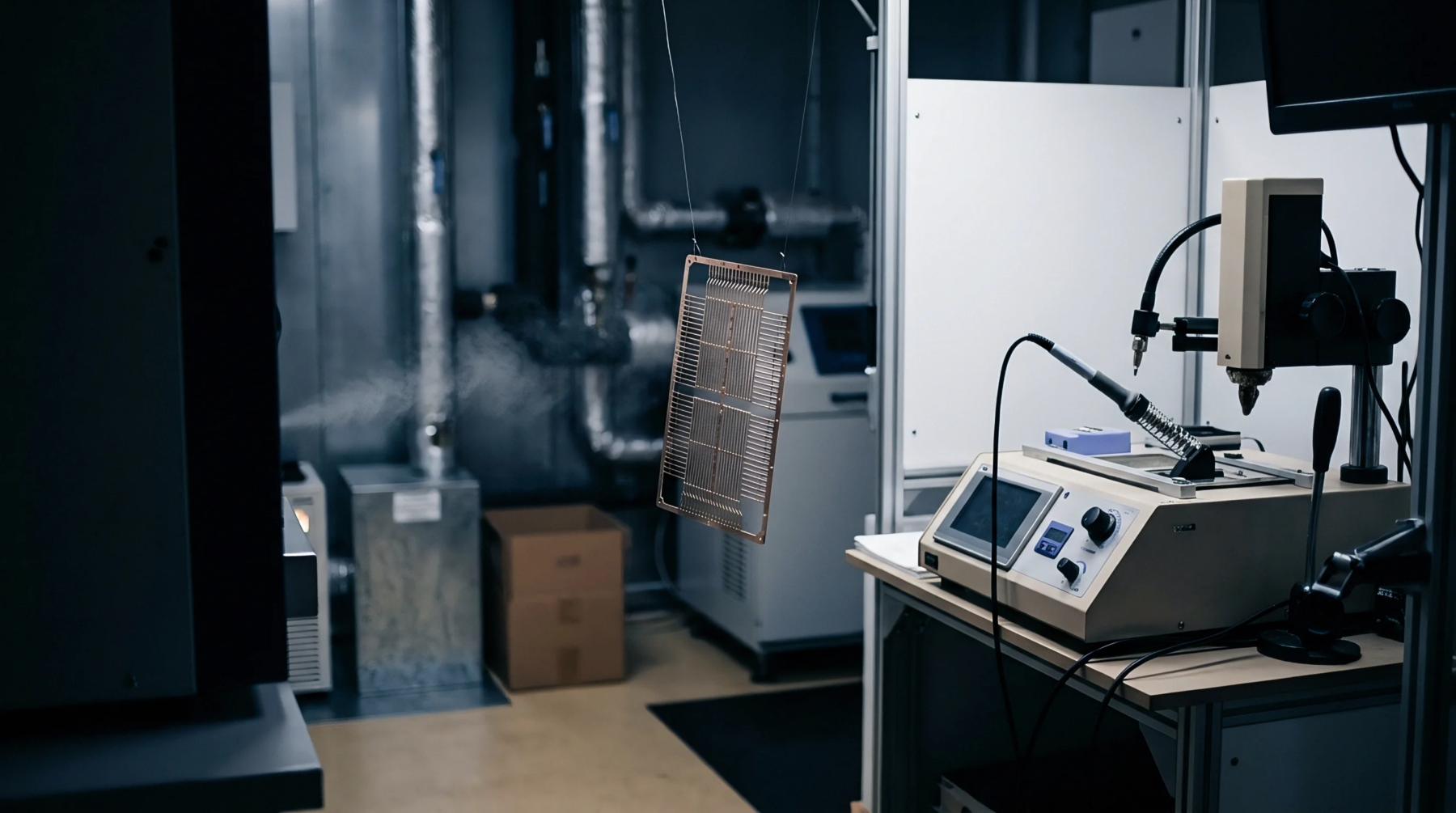
Seismometers and piezoelectric geophones record continuous environmental fluctuations generated by subsurface stresses and atmospheric coupling, a phenomenon known as microseismic noise. Metrologists verify transducer performance by applying known sinusoidal accelerations from a shaker table to establish absolute sensitivity curves. Technicians adjust analog filter stages within the preamplifier circuit to suppress low-frequency thermal drift before analogue-to-digital conversion occurs.
Signal Processing
Modern monitoring arrays apply bandpass filtering and spectral density estimation to isolate true tectonic signals from cultural disturbances caused by traffic or machinery. Digital signal processors compute fast Fourier transforms continuously to monitor ambient energy levels across specific frequency bands. Engineers establish dynamic range thresholds using synthetic impulse generators to ensure clipping does not distort high-amplitude arrivals during processing.
Array Deployment
Field installation requires burying sensors beneath the weathered layer to minimize wind-induced surface coupling and diurnal thermal gradients. Technicians level each housing using bubble vials and orient the horizontal channels relative to magnetic north with a fluxgate compass. Poor coupling degrades high-frequency response because loose soil absorbs high-wavenumber energy before the sensing element detects motion.
Data Quality
Calibration certificates document sensor frequency response against reference standards maintained by national metrology institutes. Environmental wind loading introduces low-frequency noise that degrades signal-to-noise ratios during hydraulic fracturing monitoring operations. Sensor self-noise floors determine the minimum detectable ground displacement magnitude for permanent reservoir monitoring networks.