Offset Variation
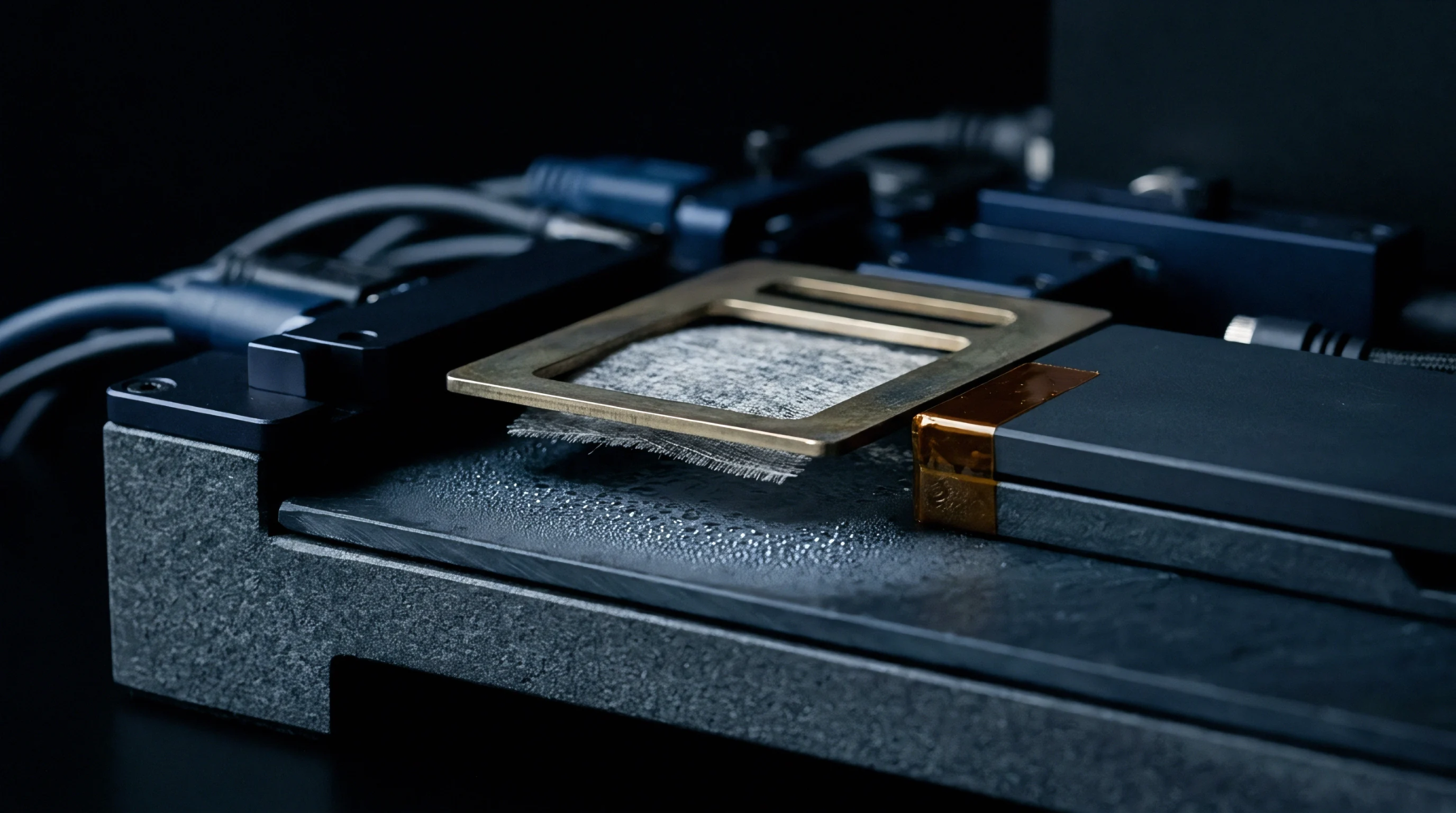
Zero-rate output changes in a micro-electromechanical sensor occur over time due to thermal fluctuations and material stress. This phenomenon of mems gyroscope bias drift introduces an artificial angular rate signal that accumulates into a growing orientation error when integrated. The baseline stability of the internal silicon sensing elements sets the ultimate limit of this drift behavior.
Thermal Influence
Temperature changes represent the primary driver of these output variations. As the internal temperature of the silicon die shifts, uneven thermal expansion alters the capacitance of the sensing combs. This change in capacitance is registered by the electronics as a false rotation, requiring active compensation algorithms to correct the signal.
Longterm Stability
Evaluating this behavior involves measuring the output over several hours under constant environmental conditions. The resulting data is analyzed using Allan variance techniques to separate different noise sources, such as angle random walk and bias instability. This analysis allows engineers to predict the long-term accuracy of the navigation system.
Calibration Routine
Compensation is achieved by storing calibration coefficients in the sensor memory. These coefficients are generated by testing the device at different temperatures during factory calibration, allowing the processor to apply real-time corrections based on the onboard temperature sensor.