Fabrication Step
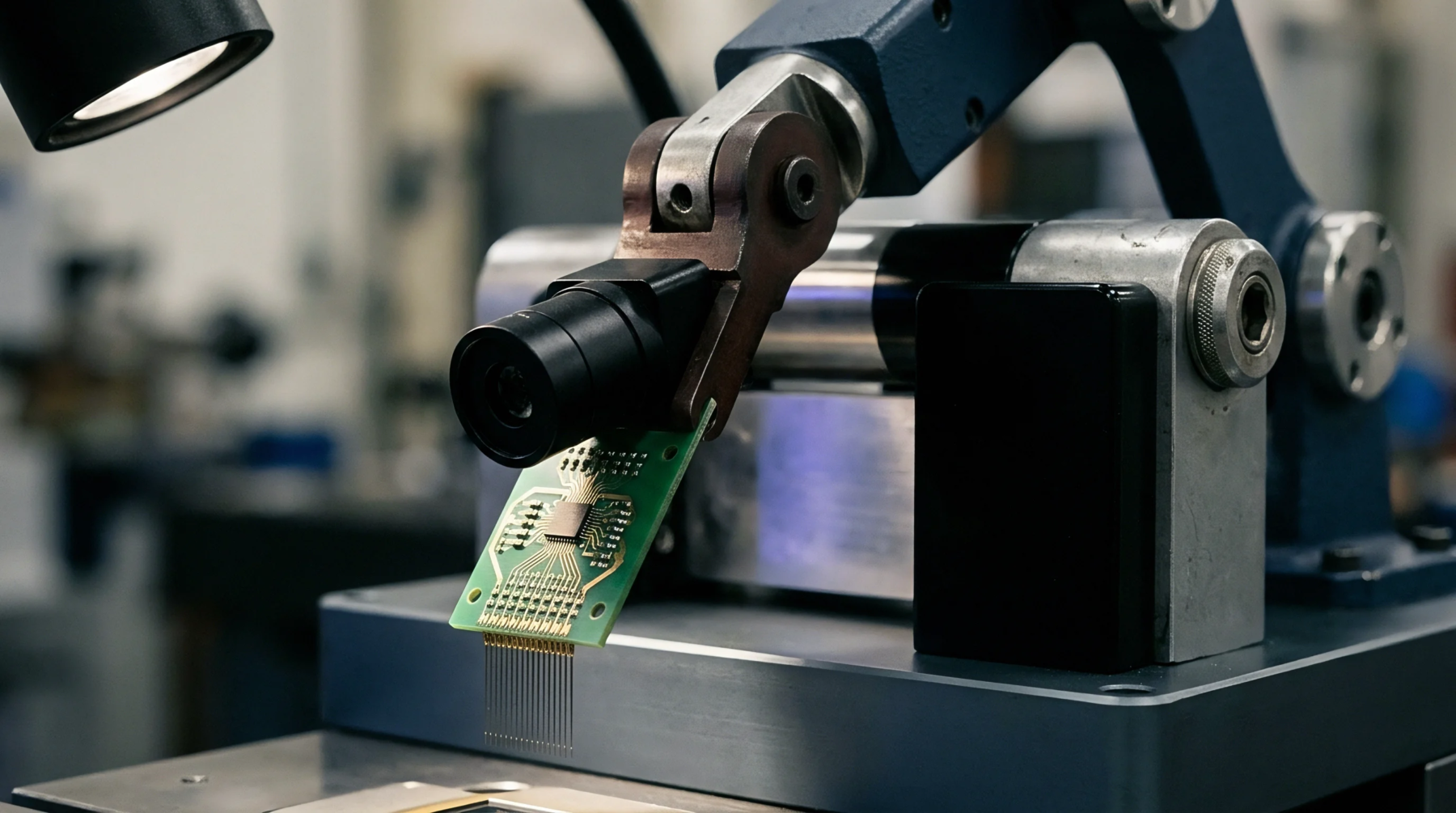
Bonding of a micro-electromechanical system chip to a substrate or package header provides mechanical support and electrical connectivity. MEMS die attach uses specialized adhesives or metallic alloys to secure the sensitive silicon structure without introducing excessive stress. This interface must be stable enough to withstand subsequent wire bonding and packaging processes while maintaining the alignment of the sensing elements.
Stress Management
Mechanical tension between the die and the package can warp the silicon and cause a shift in the sensor output. Soft adhesives like silicones are often chosen to decouple the die from the thermal expansion of the package. Harder epoxies or eutectic solders provide better heat dissipation but require careful thermal cycling to avoid cracking the silicon.
Controlling the bond line thickness is a primary requirement for maintaining a consistent thermal resistance.
Outgassing Control
Volatile compounds released from the adhesive during curing can deposit on the moving parts of the micro-machine. High vacuum sensors require low outgassing materials to guarantee long term reliability.
Placement Precision
Automated equipment picks the die from a wafer and places it onto the substrate with micron level accuracy. Correct orientation is necessary for inertial sensors that depend on the alignment of the proof mass. The final bond thickness and coverage are inspected using X-ray or acoustic microscopy to confirm the integrity of the attachment.