Structural Viscosity
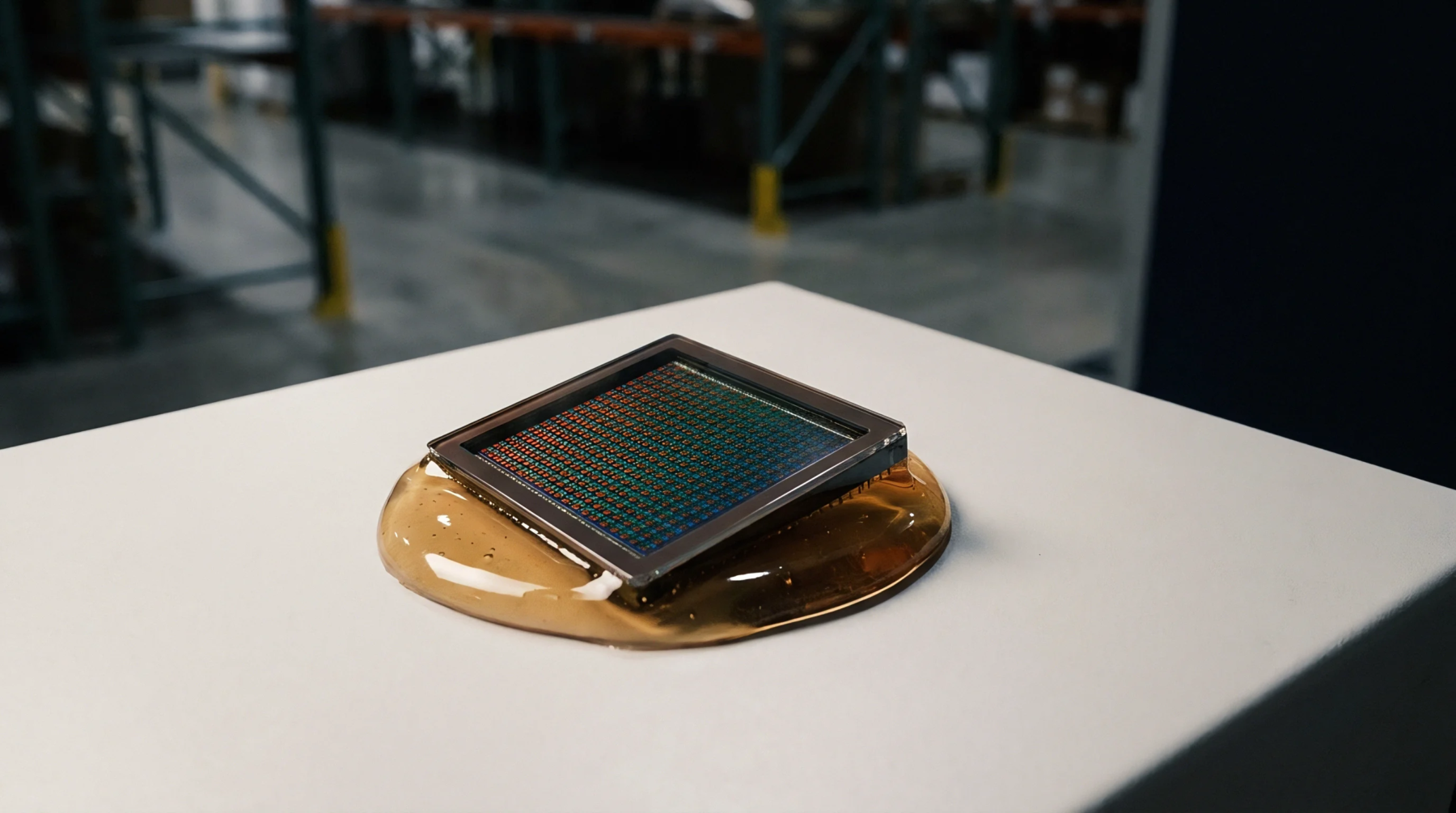
High-viscosity polymer potting compounds line internal cavity structures to isolate delicate electronic circuits from mechanical vibration and moisture ingress. Optically clear formulation master bond ep30hv functions as both a potting agent and a structural adhesive for precision optical sensor assemblies. Flow resistance prevents slumping during vertical dispensing procedures before room temperature curing commences.
Viscometer measurements at twenty-five degrees Celsius establish baseline flow characteristics prior to automated mix-ratio verification.
Optical Transmission
Light transmission through potting layers determines signal attenuation in photodiode packages and optical encoder assemblies. Refractive index matching in master bond ep30hv limits Fresnel reflection losses across visible and near-infrared spectrums. Spectral transmission curves generated by spectrophotometer testing confirm optical throughput exceeding ninety percent at wavelengths above four hundred nanometers.
Controlled environmental exposure tests show minimal yellowing under ultraviolet radiation over extended operational durations.
Shrinkage Control
Linear shrinkage during crosslinking creates residual internal strain that distorts precision optical paths. Volumetric shrinkage of master bond ep30hv remains below zero point five percent, preserving alignment of micro-optical components.
Qualification Standard
Factory acceptance testing establishes mechanical and electrical limits for every production batch prior to instrument assembly. Volume resistivity of master bond ep30hv exceeds ten to the fourteenth power ohm-centimetres, providing insulation between adjacent sensor trace pathways. Mil-spec thermal shock testing between minus sixty-five degrees Celsius and one hundred twenty-five degrees Celsius validates joint stability without delamination.