Environmental Standard
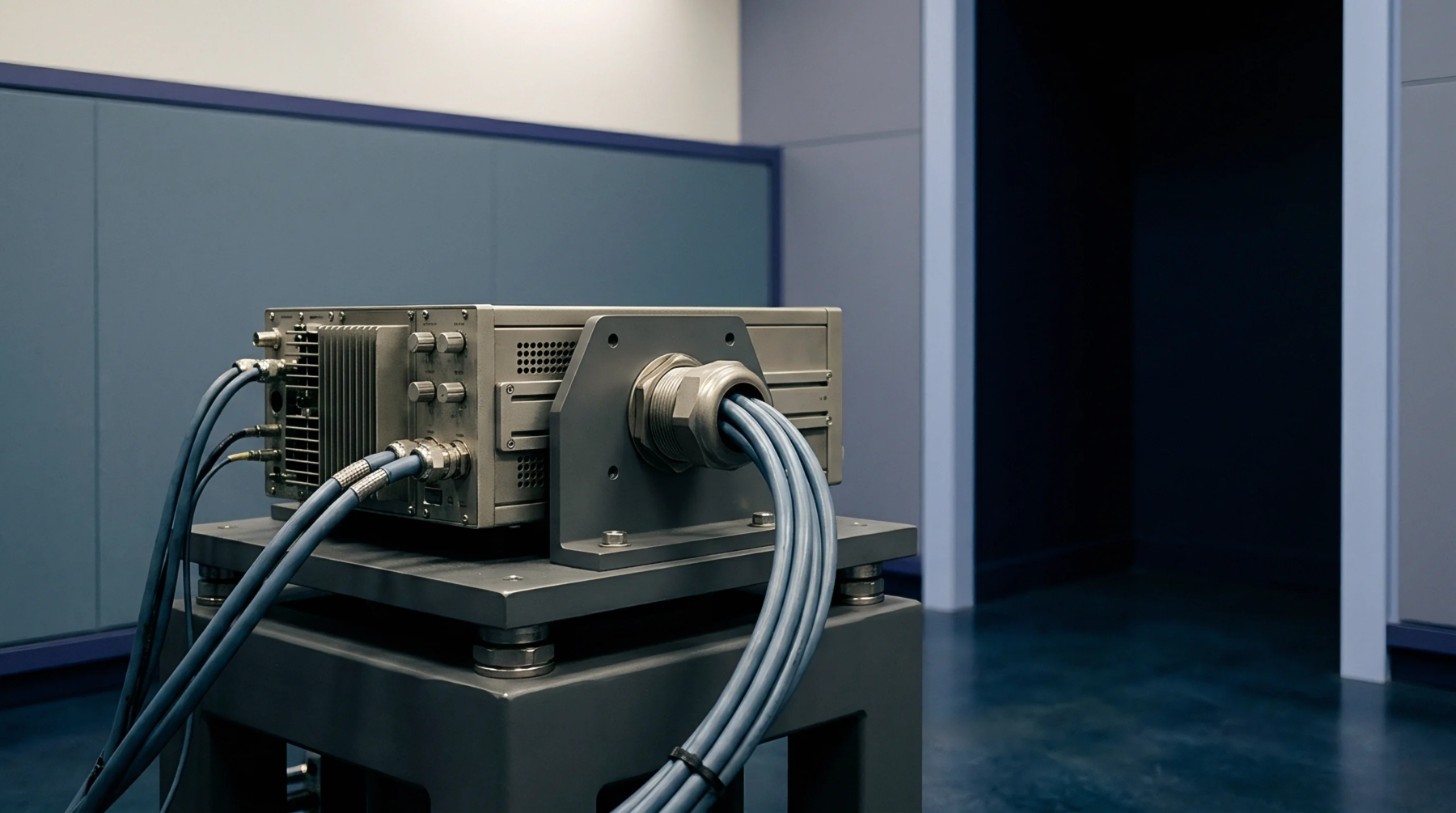
International standard defines mechanical load specifications and environmental testing requirements for electrical equipment in road vehicles. The third part of the series, known as iso 16750 3, specifies tests for mechanical shock, random vibration, and free fall resistance across various vehicle mounting locations. Devices mounted on engines experience far higher acceleration levels than components installed inside the passenger compartment.
Standardized testing establishes uniform test methods to verify component survival under harsh physical stress.
Vibration Profile
Dynamic stress testing subjects electronic modules to random vibration profiles derived from real-world road surface profiles. Applying iso 16750 3 involves mounting device specimens to electrodynamic shakers while regulating spectral density power profiles over specified frequency ranges. Tests simulate thousands of operating hours by accelerating vibration levels according to established fatigue equivalence equations.
Temperature cycling often accompanies vibration testing to evaluate thermal and mechanical stress combinations simultaneously. Accelerometers mounted on internal circuit boards measure structural resonances to detect micro-cracks in solder joints or mechanical mount failures during vibration runs.
Shock Tolerance
Mechanical shock testing subjects test specimens to half-sine acceleration pulses exceeding several tens of times the force of gravity. Compliance with iso 16750 3 requires equipment to remain fully functional or recover automatically after specified mechanical impact routines. Severe impact tests simulate vehicle collisions, frame drops, and severe curb strikes.
Qualification Requirement
Validation laboratories issue compliance certificates after verifying that test units maintain electrical function during and after mechanical exposure. Component failure under iso 16750 3 test protocols usually stems from connector contact fretting, trace fracture, or heavy component detachment. Test reports detail peak acceleration levels, pulse durations, and functional performance classifications assigned during testing.