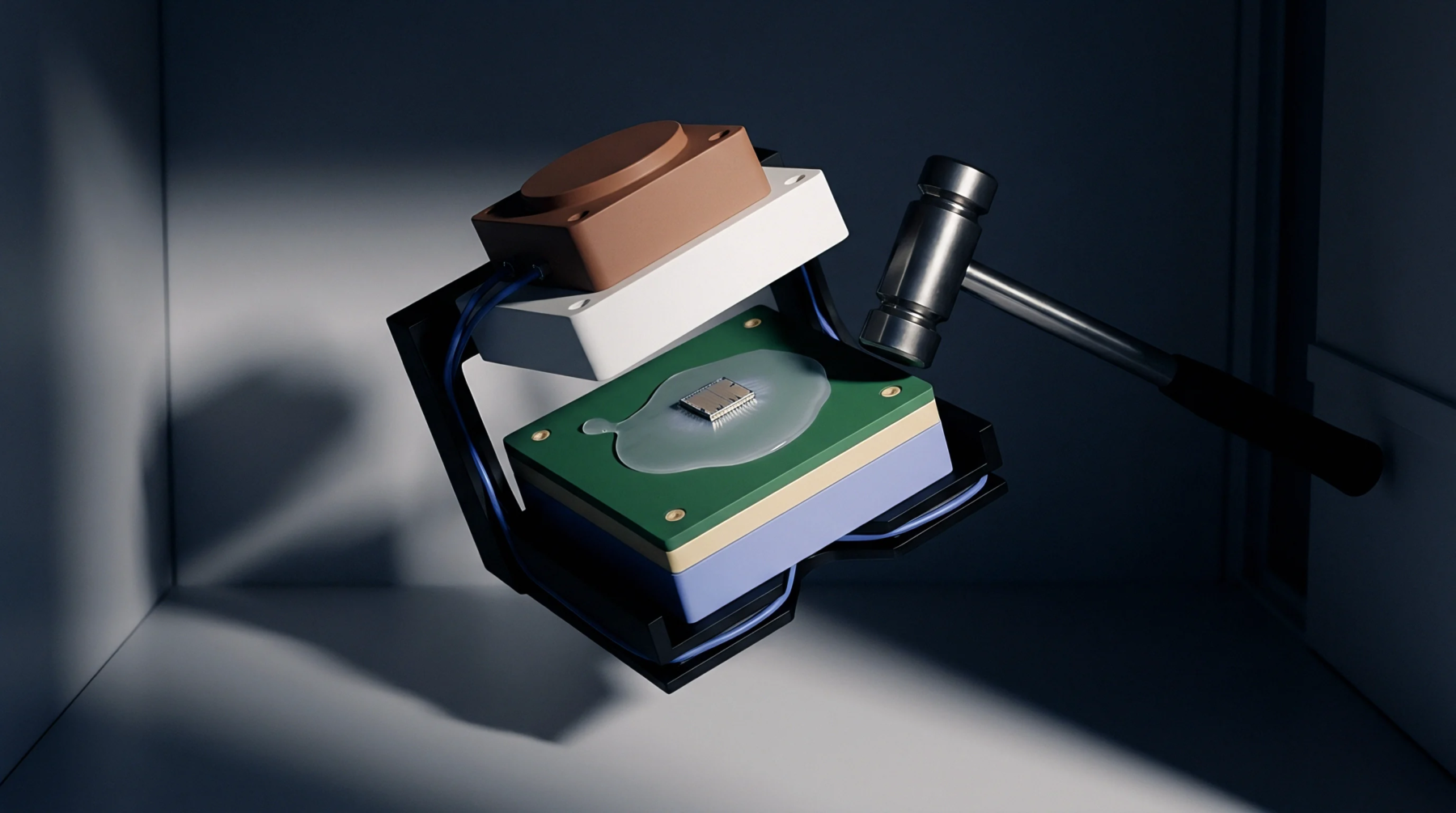
Pressure Evaluation
Validation procedures assess the structural and functional integrity of equipment when subjected to high external forces in fluid environments. During hyperbaric testing the target sensor is placed inside a steel chamber filled with oil or seawater to simulate deep-ocean conditions. The test identifies leaks or mechanical deformations that occur as the pressure increases.
System Response
Electronic components undergo physical compression which can shift electrical values or trigger signal dropouts. The process of hyperbaric testing reveals whether the seals and bulkheads can withstand the crushing loads typical of subsea deployments. Instruments often exhibit different drift patterns when they are compressed rather than at standard atmosphere.
Load Cycle
Sequential steps increase the pressure to a specified multiple of the operational rating to provide a safety margin. Any failure during hyperbaric testing usually presents as a sudden loss of communication or a spike in the internal moisture alarm. Technicians monitor these events in real time through high-pressure electrical feedthroughs.
Acceptance Boundary
Final inspections look for evidence of salt ingress or hair-line fractures in the ceramic or metal windows. If the hyperbaric testing results in permanent deformation the housing design is rejected. Standards organizations set the exact ramp rates and hold times for these qualifications.