Mass Determination
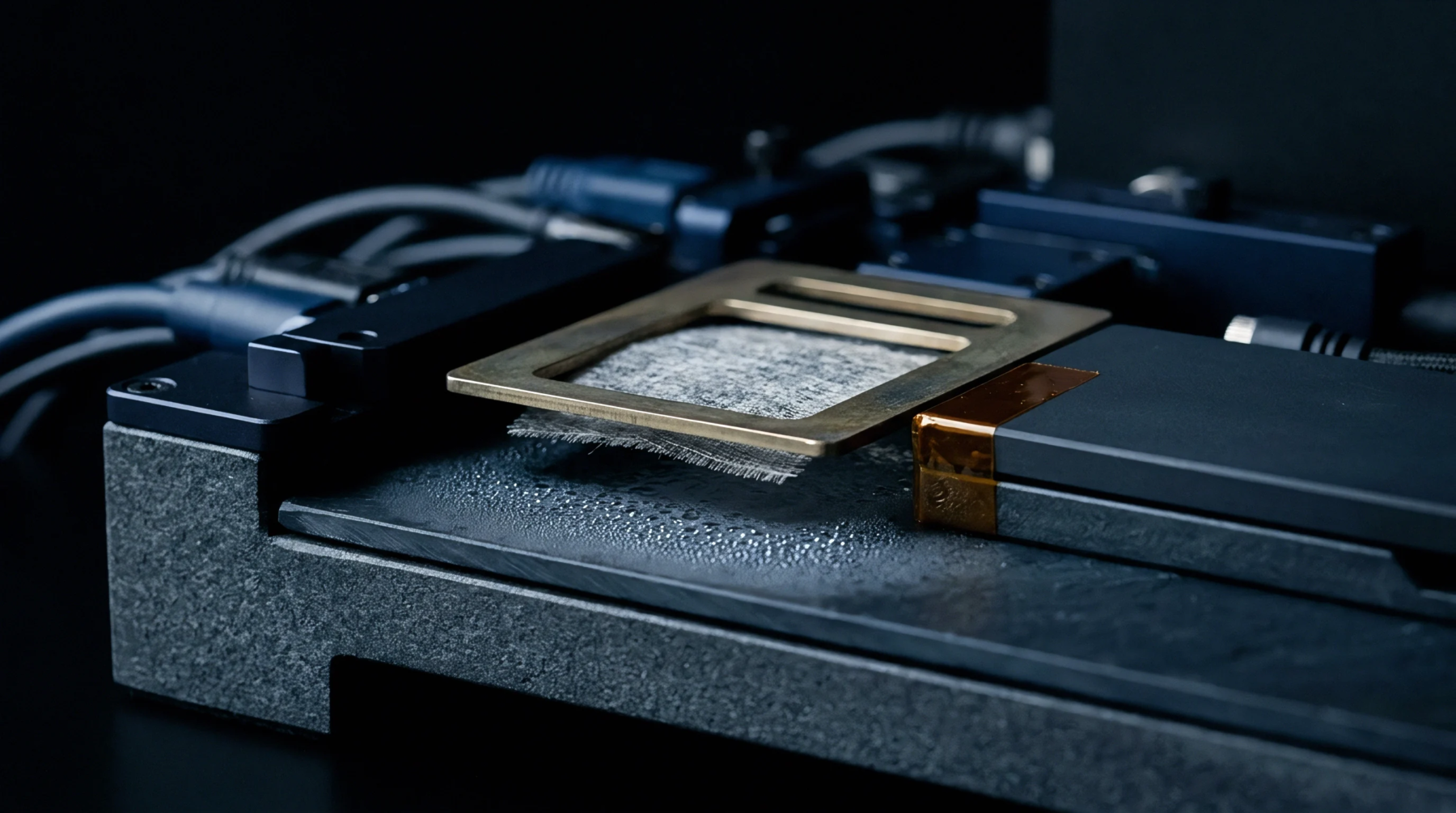
Precision weighing of electronic packages or materials before and after exposure determines the exact quantity of moisture absorbed or desorbed by them. The practice of gravimetric mass measurement utilizes high-resolution microbalances to resolve changes in mass at the microgram level. This direct approach provides the physical baseline against which all diffusion models and moisture-sensitive classifications are validated.
Sorbent Monitoring
Environmental test chambers use these measurements to map the rate of moisture uptake in plastic mold compounds under various humidity profiles. In gravimetric mass measurement, test specimens are dried to a constant weight, placed in a humified chamber, and weighed at regular intervals to map the absorption curve. This data is essential for calculating the diffusion coefficient of the packaging material.
This method ensures that the true moisture content is known.
Metrological Accuracy
Metrological traceability of these weight determinations relies on calibrated reference masses verified by national metrology institutes. Because the weight differences are tiny, the microbalance must be shielded from air currents, static electricity, and local vibrations. These interference sources are carefully managed to keep the experimental error below the tolerance of the test.
The setup requires frequent calibration checks during a test run.
Operational Constraint
The total duration of the measurement sequence is limited by the speed with which samples can be transferred from the test chamber to the weighing scale. Any delay allows moisture to escape, which introduces a systematic error into the recorded mass.