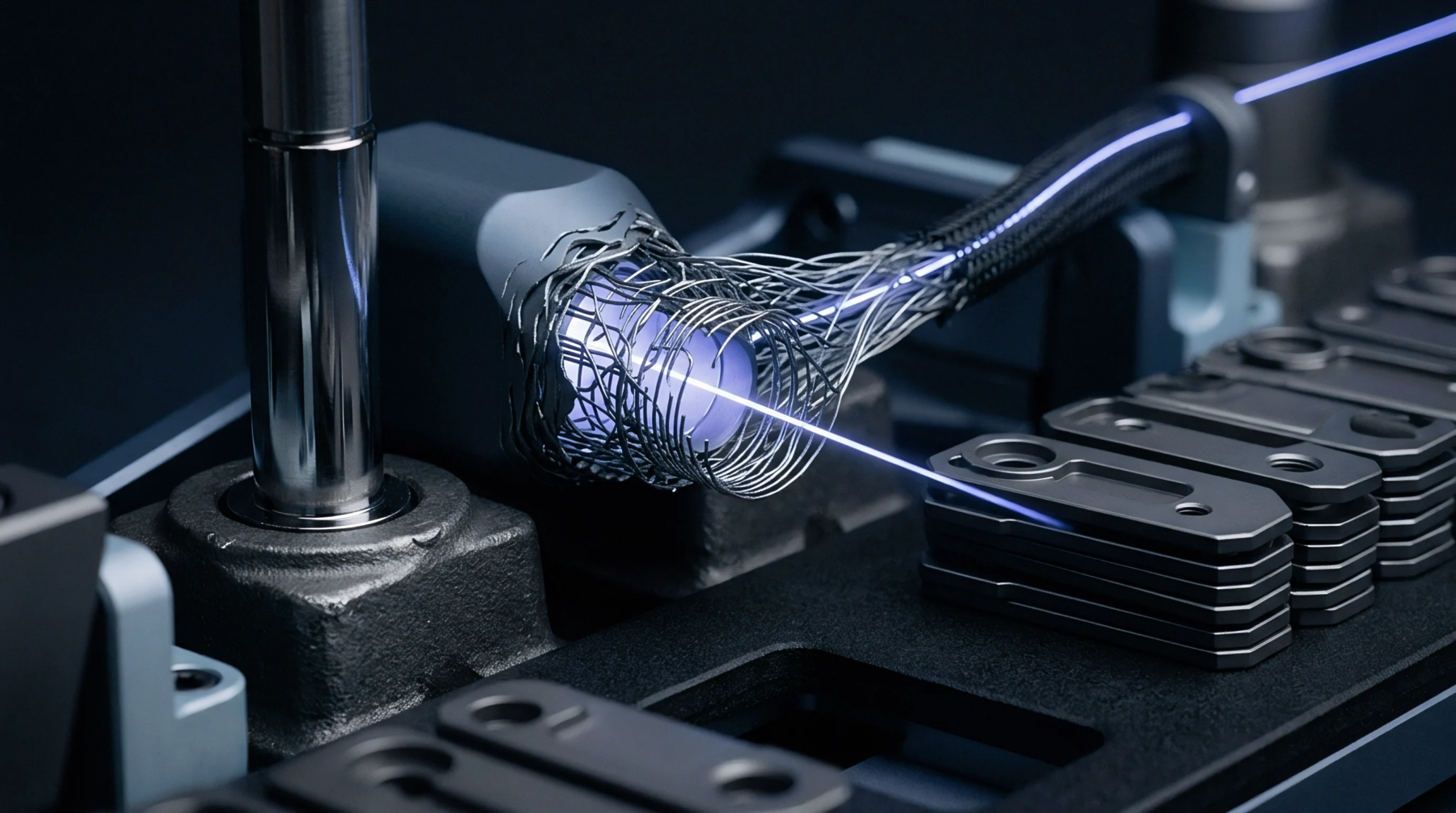
Dielectric Barrier Method
Viscous chemical containment provides a physical buffer between sensitive electronic components and external environmental contaminants. Gel fill isolation prevents conductive path formation by surrounding circuitry in a non reactive silicone or polyuretane medium that resists moisture ingress. This chemical stabilization restricts the migration of ionic species toward sensitive nodes during temperature cycling.
Signal Stability
Measurement drift diminishes when the internal pressure of the housing remains constant across the operational range. Thermal expansion of the dielectric material exerts force against the sensor diaphragm, requiring accurate volumetric compensation to maintain zero calibration. Proper application of gel fill isolation reduces microphonic noise by dampening the vibrations that originate from mechanical mounting points or surrounding industrial infrastructure.
Application Threshold
Sensors intended for deployment in subsea environments or high pressure process vessels utilize this protective layer to equalize external forces with internal reference cavities. Failure to eliminate air bubbles within the compound during assembly introduces compressible zones that shift the calibration curve unexpectedly. Laboratory verification of the isolation integrity occurs through accelerated life testing in humidity chambers or high salinity solutions to monitor for leakage current spikes.
Material Performance
Stability coefficients for these compounds dictate the long term reliability of the sensing element under continuous chemical exposure. Manufacturers qualify the filler by measuring the dielectric constant shift against the frequency response of the transmitter. High viscosity grades offer superior vibration dampening but complicate the manufacturing process by trapping air during injection.
The dielectric medium maintains its primary structural integrity throughout the duration of the operational lifespan of the instrument.