Volatile Release
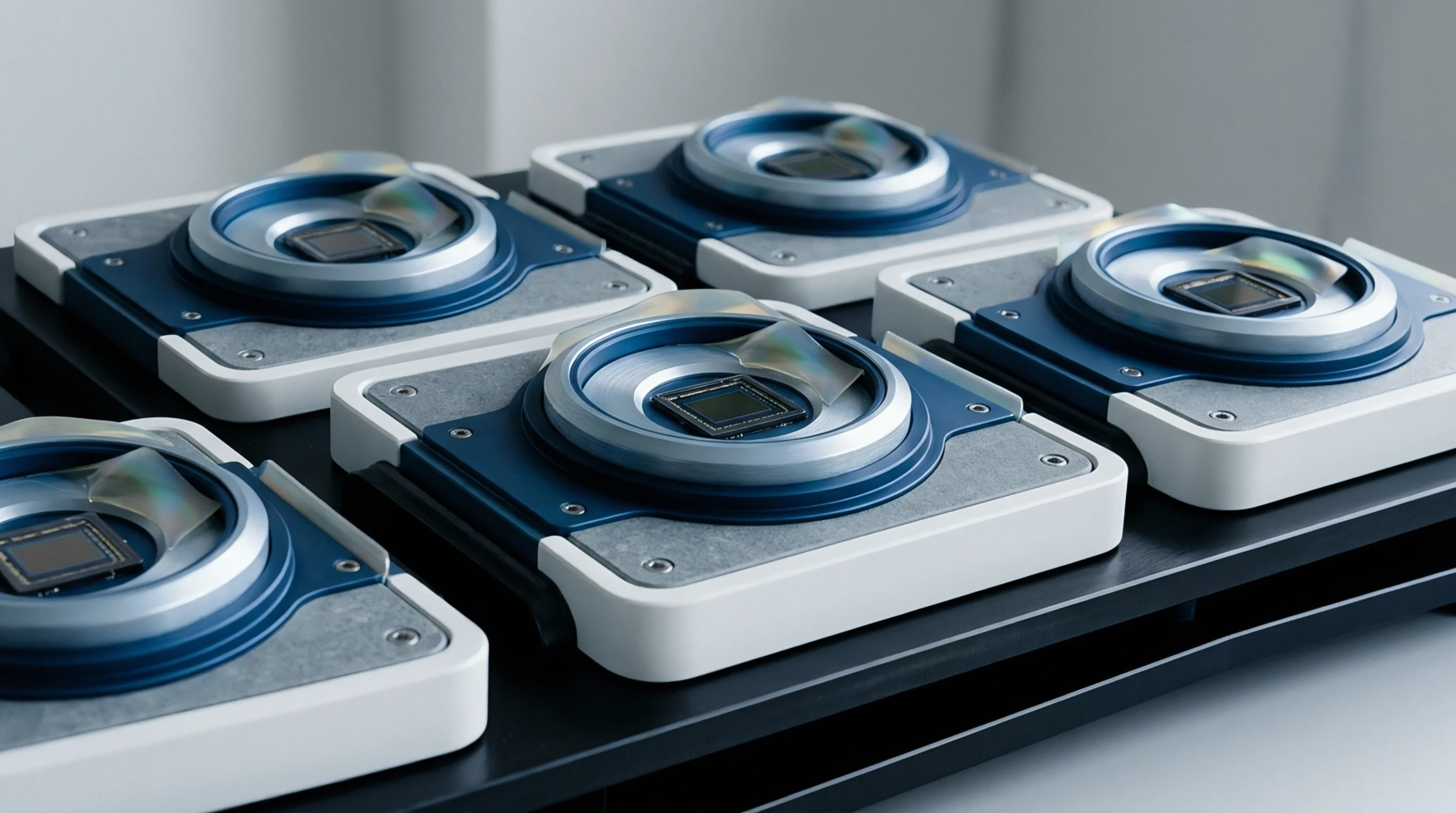
Polymer matrices release volatile chemical compounds when exposed to vacuum environments or elevated temperatures. In hermetic sensor housings and space-qualified instrumentation, epoxy outgassing deposits condensable organic molecules onto optical elements, MEMS structures, and sensitive electrical contacts. Uncured monomer residues and volatile solvents constitute the primary species evolving from the cured adhesive volume.
Optical Contamination
Released volatile species condense on cooler adjacent surfaces inside sealed sensor packages, forming thin organic films. Optical sensor windows suffer transmission loss and light scattering when organic films accumulate on glass surfaces. Microelectromechanical mirror arrays experience altered damping coefficients and resonant frequency shifts as condensed matter adds mass to moving structures.
Package design criteria require strict selection of low-outgassing polymers to prevent performance degradation over long deployment operational lifespans. Gas chromatography and mass spectrometry identify specific chemical species evolving from epoxy formulations during thermal vacuum testing.
Vacuum Standard
Material qualification for vacuum applications relies on standard test methods such as ASTM E595. Testing measures total mass loss and collected volatile condensable material after exposing cured samples to elevated temperatures in high vacuum for twenty-four hours. Criteria establish maximum limits of one percent total mass loss and zero point one percent condensable material.
Thermal Pretreatment
Baking cured polymer components prior to final package sealing accelerates the discharge of volatile residues. Process engineers define vacuum bakeout schedules based on outgassing kinetics and maximum allowable sensor thermal limits. Post-bake analytical testing confirms residual volatile emissions fall below threshold detection limits before final assembly enclosure.