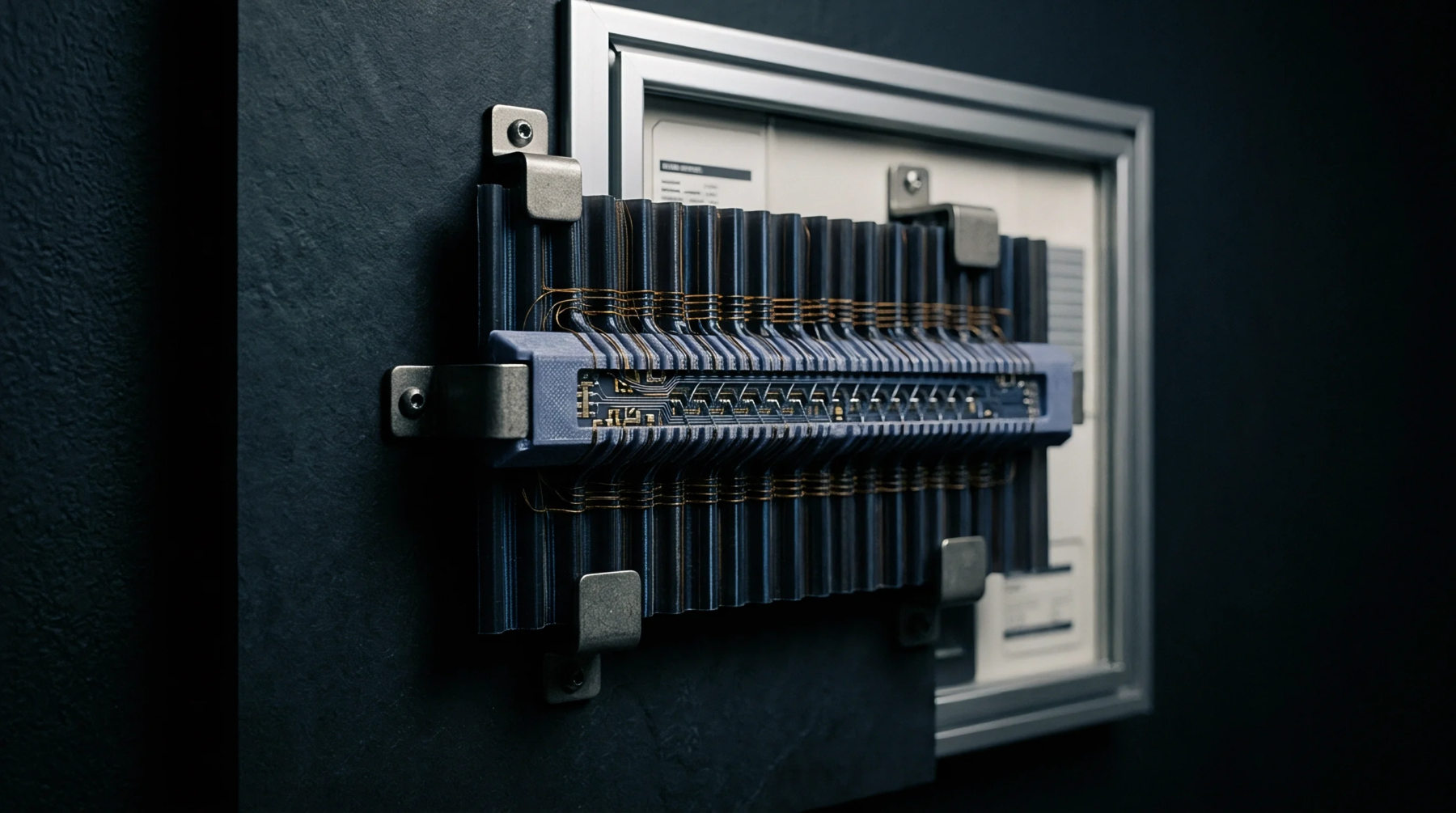
Span Extension
Circuit attenuation shifts and adaptive gain staging maximize signal resolution over broad amplitude bands. Implementing dynamic range optimization prevents analog-to-digital converter saturation during high-amplitude transient events while maintaining sensitivity for microvolt-level baseline signals. Automated gain switching alters front-end amplifier feedback resistance based on real-time signal peak detection.
Programmable gain amplifiers adjust attenuation paths in discrete steps to keep input signals within optimal digitizer resolution bands. System noise floor limits minimum detectable signal levels, setting the lower boundary of transducer operating ranges. Calibration protocols establish gain switching thresholds and verify linearity across range transition points.
Gain Adjustment
Active attenuation circuits scale high-level signals prior to digitizer input stages. Switchable gain networks preserve full-scale digitizer resolution without introducing harmonic distortion. Fast-settling operational amplifiers minimize signal distortion during gain transitions.
Calibration procedures map gain ratios across all operational range settings to ensure linear output.
Noise Boundary
Amplifier thermal noise and quantization noise establish minimum detectable signal thresholds. Dynamic range calculations evaluate the ratio between maximum undistorted signal and total integrated noise floor. High signal-to-noise ratios maintain measurement fidelity across broad amplitude variations.
Noise filtering expands effective measurement resolution.
Target Verification
Test procedures feed calibrated reference signals into signal conditioning chains across full amplitude spans. Verification confirms total harmonic distortion remains below specified limits across all gain states. Transducer specifications list operating ranges in decibels.