Kinematic Division
Mechanical rotation measurement governs dividing head indexing across machine tool setups. A worm gear mechanism translates crank revolutions into precise fractional workpiece rotations. Operators establish angular positions by calculating ratios between the gear reduction worm wheel teeth and index plate hole circles.
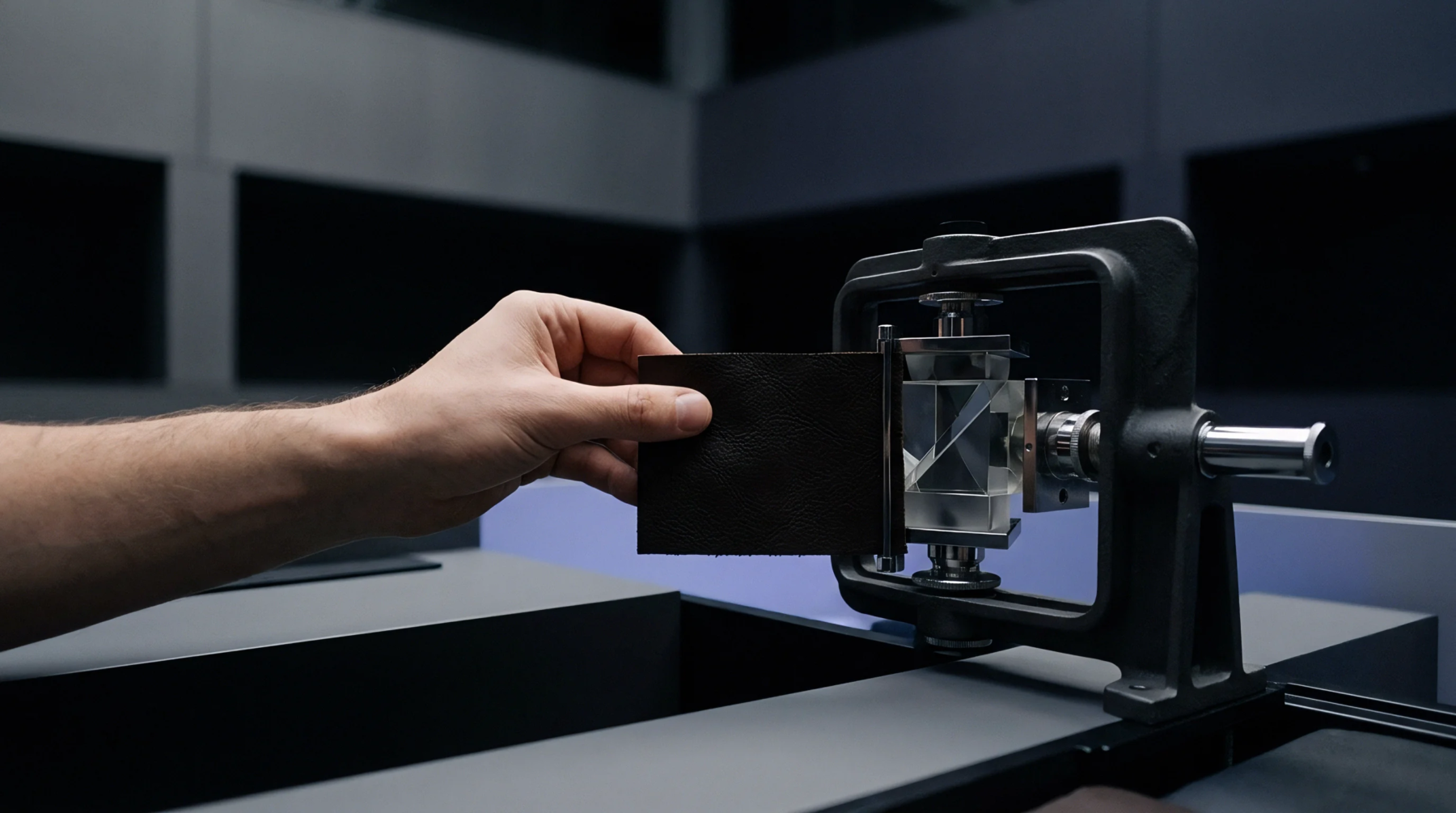
Factory calibration standards dictate that accumulated angular errors must not exceed thirty arcseconds over a full three hundred sixty degree rotation. Thermal expansion of the cast iron housing introduces measurement drift during extended machining cycles, which alters the final pitch diameter. Metrological verification requires an autocollimator coupled with a multi-sided polygon mirror to isolate gear tooth spacing deviations from spindle runout.
Gear Train
Worm shaft rotation drives the main spindle through a forty to one reduction ratio in standard units. Change gears mount between the worm shaft and the spindle extension to achieve non-standard prime number divisions. Compound gearing arrangements multiply these reduction fractions when the primary hole plates lack sufficient hole counts.
Backlash within the worm mesh distorts angular positioning accuracy during directional reversals, requiring operators to preload the crank before final pin engagement. Calibration certificates record exact pitch circle diameters alongside tooth profile deviations to maintain traceability against national length standards.
Plate Selection
Hole plate geometry determines achievable angular intervals based on available hole circle rows. The index crank pin drops into selected hole spacings to arrest spindle rotation prior to cutting tool engagement. Division calculations rely on dividing the worm gear reduction ratio by the desired number of workpiece divisions.
Fractional remainders dictate supplementary gear selections or alternative plate patterns to resolve the angular remainder without cumulative error. Inspector audits verify hole center locations using optical coordinate measuring machines to prevent indexing drift across production batches.
Error Propagation
Spindle bearing radial play degrades angular registration during heavy milling operations. Thermal gradients between the workshop environment and the dividing head casting alter the centerline height and introduce geometrical skew. Lubrication film thickness variations inside the worm mesh create micro-angular displacements under varying cutting loads.
Final acceptance depends on verifying that accumulated pitch errors remain within specified manufacturing tolerances established by the equipment manufacturer.