Phase Balance
Thermodynamic balance occurs when the rate of evaporation from a liquid surface matches the rate of condensation from the surrounding gas phase. Reaching dew point equilibrium requires a stable temperature where the partial pressure of water vapor equals the saturation vapor pressure. Saturation levels represent the maximum moisture capacity of the gas at that specific thermal level.
Thermal Influence
Temperature fluctuations shift the saturation point and disrupt the existing moisture ratio. While cooling a gas mass towards dew point equilibrium, the relative humidity rises until it reaches one hundred percent. Any further reduction in temperature triggers the formation of liquid droplets.
Pressure Interaction
Static pressure changes alter the density of the gas and the distance between vapor molecules. Under higher total pressures, dew point equilibrium occurs at a higher temperature because the vapor is more concentrated. Compressed air systems rely on this relationship for stable operation.
Response Time
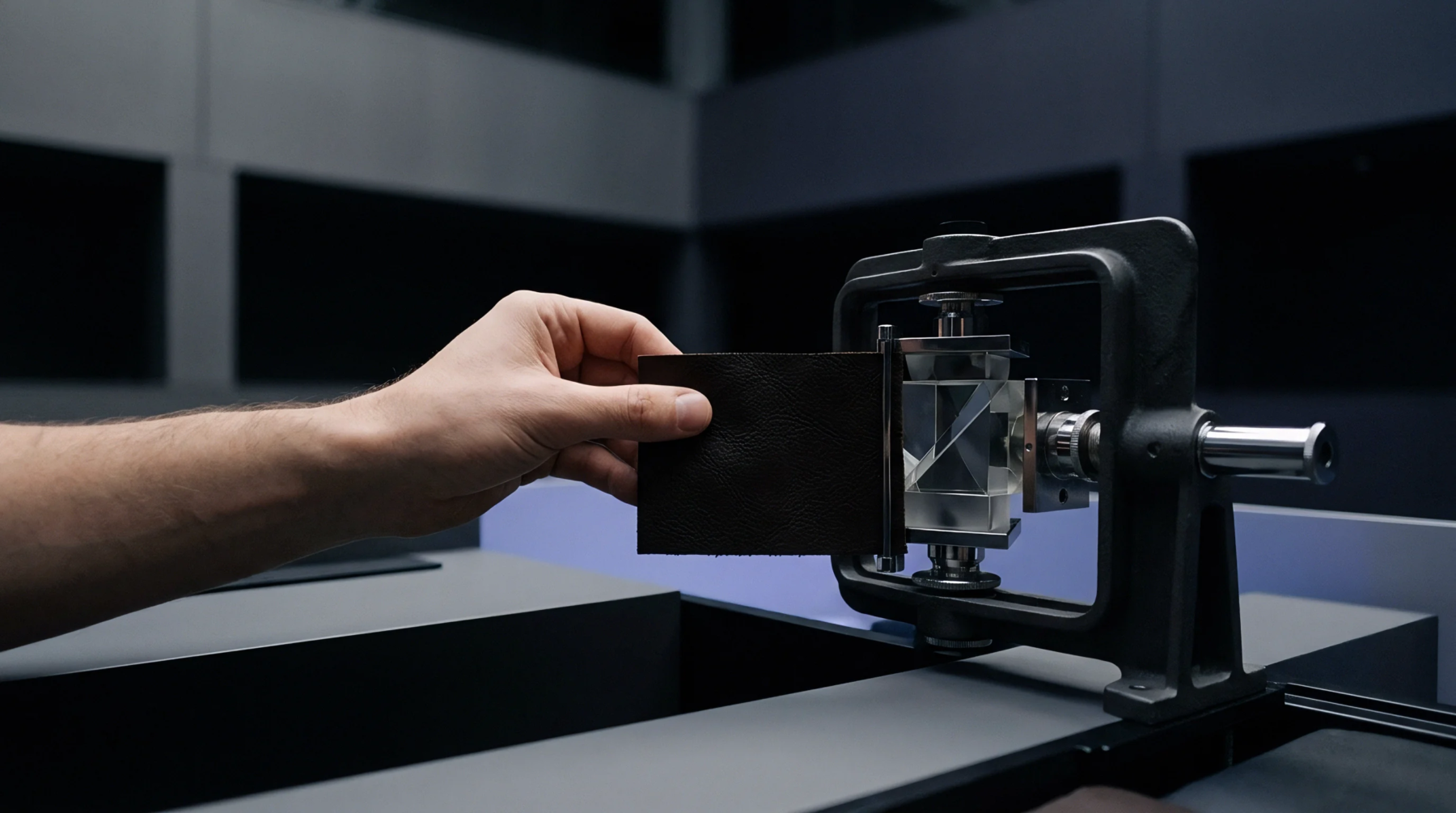
Precision chilled mirror hygrometers measure the exact moment of condensation to verify the moisture content of a process gas. Obtaining a stable dew point equilibrium at the mirror surface involves careful control of the cooling rate to avoid overshooting the target temperature. Drift in the measurement often results from surface contamination or rapid flow changes.
Accurate calibration accounts for these variables.