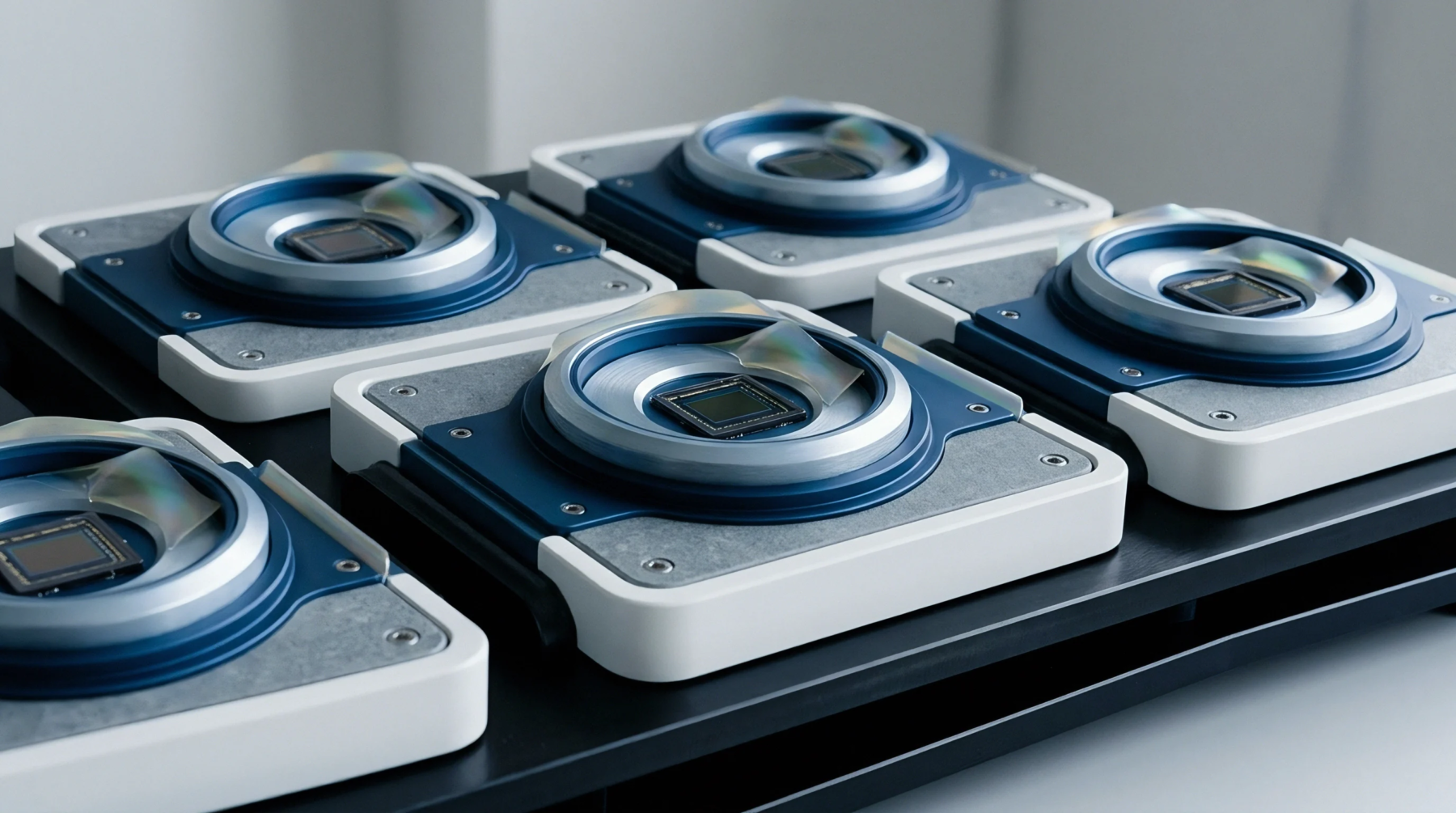
Reliability Screening
Stress testing sequence applied to electronic components to provoke early failures before the devices enter service. Implementing burn-in preconditioning accelerates the infant mortality phase of the reliability curve by subjecting parts to elevated voltages and temperatures. This process ensures that only units with stable semiconductor junctions reach the final assembly stage.
Environmental Stress
Thermal chambers maintain a constant high temperature while the circuitry remains under electrical load. During burn-in preconditioning, the heat forces latent defects like oxide voids or metallic migration to surface as measurable faults. Standard durations range from several hours to several days depending on the criticality of the end application.
Failure Mechanism
Electromigration and dielectric breakdown represent the primary targets of this high stress period. If a batch shows a high rejection rate during burn-in preconditioning, the manufacturer might investigate the wafer fabrication process for systemic weaknesses. These tests do not aim to wear out the device but to weed out the weak specimens that would fail in the first month of field use.
Qualification Standard
Test parameters follow industry protocols like military standards or specific aerospace requirements. Burn-in preconditioning concludes once the leakage current and timing characteristics remain within tolerance after the thermal stress stops.