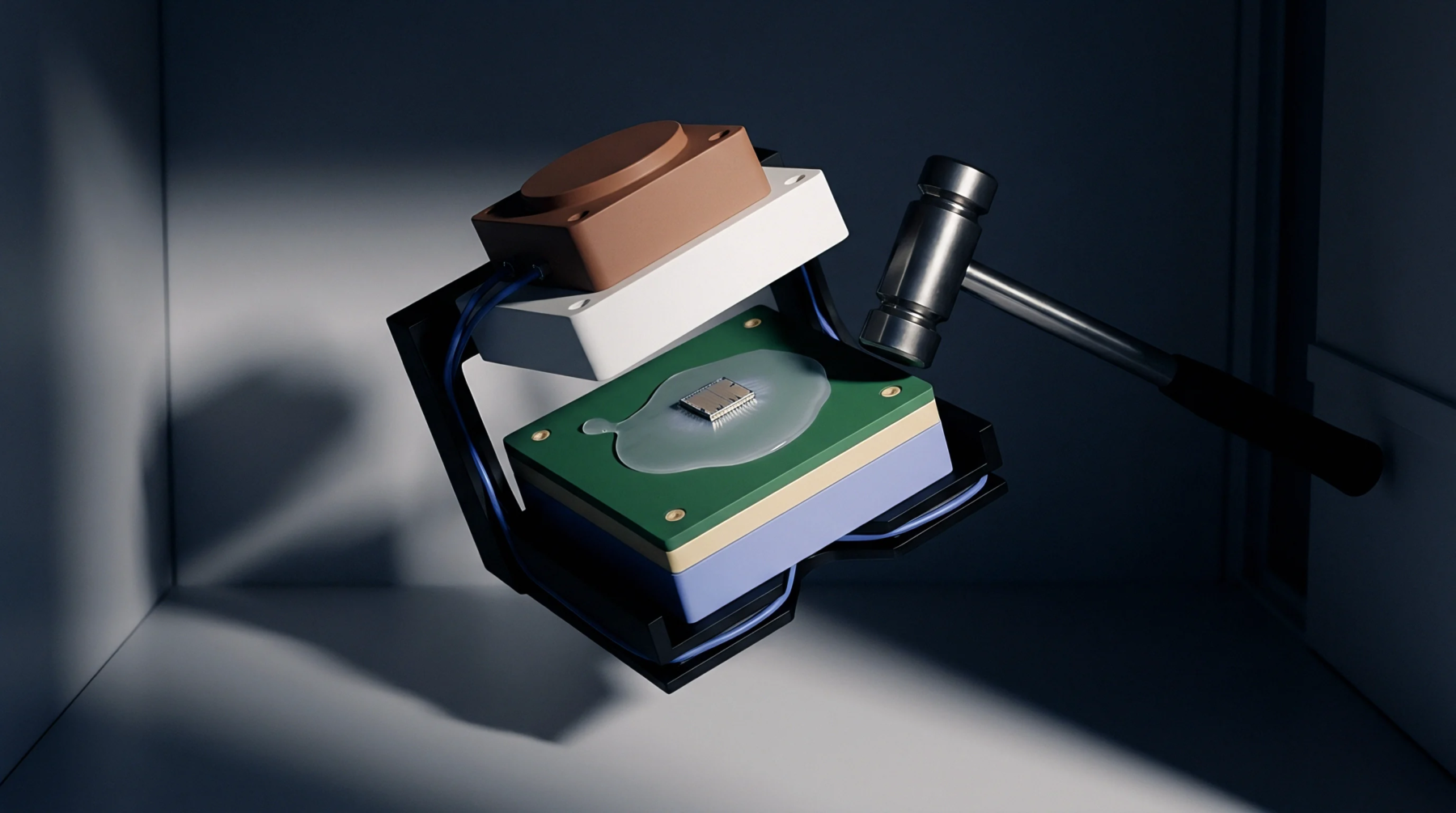
Stabilization Phase
Temporal intervals define the initial duration required for electronic components to reach thermal and electrical equilibrium under steady loads. The burn-in period allows latent manufacturing defects to surface before the sensor enters active service. This process target infant mortality failures that would otherwise occur in the field.
Operational Load
Elevated temperatures and voltage levels accelerate the aging of internal silicon junctions during this screening phase. During the burn-in period the electrical characteristics of the device begin to flatten out into a predictable trajectory. Reliability engineers monitor the equipment to identify any erratic signals that depart from the expected baseline.
Reliability Boundary
Completion signals the transition from the infant mortality stage to the useful life stage of the bathtub curve. Once the burn-in period finishes the measurement stability typically improves by an order of magnitude for sensitive instrumentation. Such stability remains crucial for long-term deployments in harsh locations.
Verification Protocol
Metrology departments conduct a sequence of checks at the end of this period to confirm that any initial drift has ceased. If the burn-in period is insufficient the sensor will show excessive instability during the final calibration tests. Standards define the minimum length for this sequence.