Precision Instability
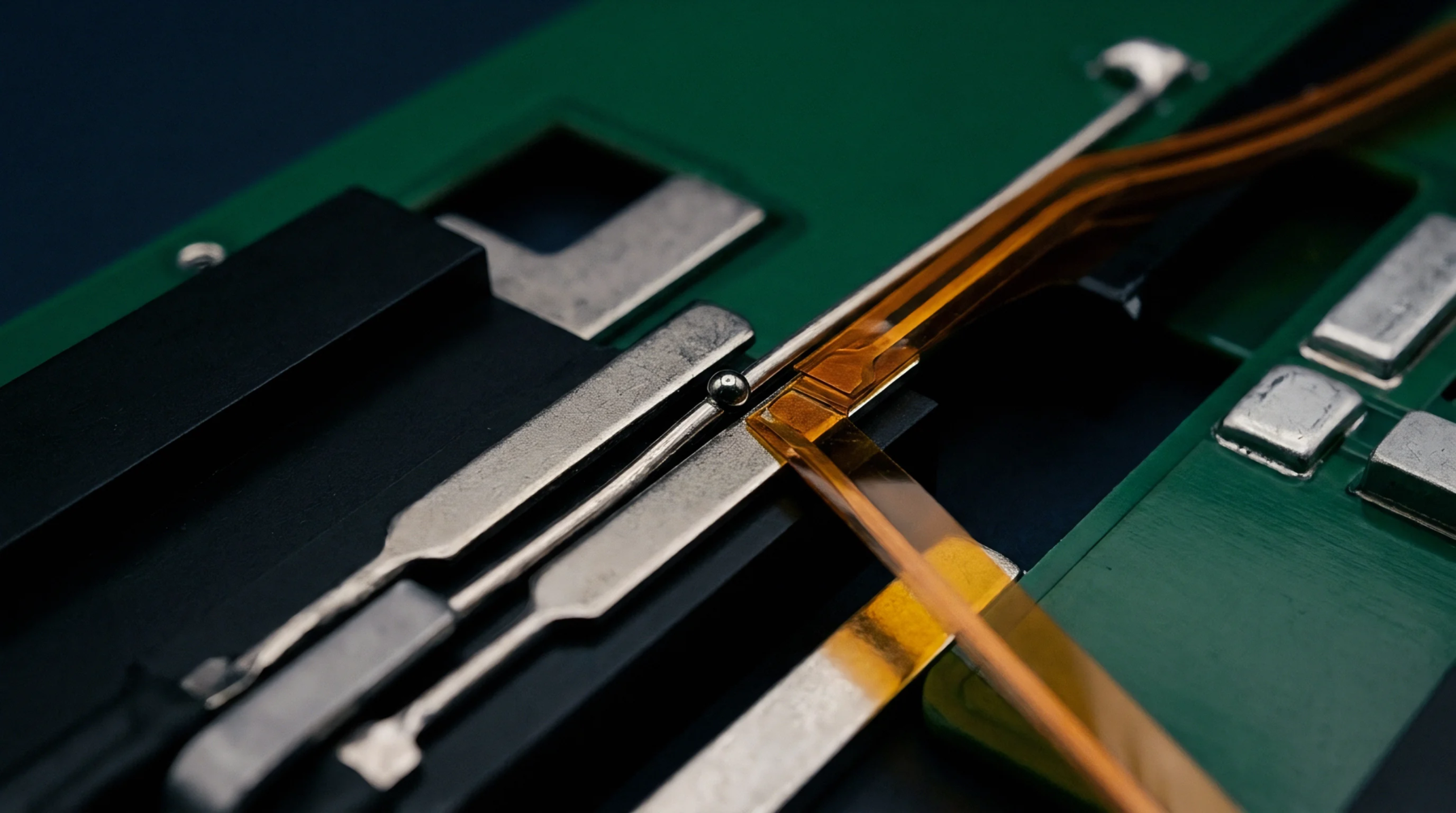
Mechanical tension at the chip scale level forces unpredictable changes in electrical behavior within integrated circuits. Measuring wlcsp piezoresistive drift helps technicians understand how mounting stresses shift the calibrated values of tiny mobile sensors. This drift occurs because the chip lacks a protective lead frame to isolate it from board twisting.
Tension Transfer
Physical pressure moves through the solder balls directly into the crystalline silicon during final board mounting. Excessive wlcsp piezoresistive drift limits the usage of these packages in industrial weighing or medical monitoring where absolute accuracy is needed. Solder profiles must be strictly controlled to minimize the residual pull on the substrate.
Signal Variation
Reference levels move away from factory setpoints once the assembly is clamped inside a rigid case. While wlcsp piezoresistive drift remains manageable for digital chips, it alters the offset of analog signals by several millivolts over time. This makes calibration inside the final enclosure necessary for many high precision devices.
Compensation Barrier
Algorithms struggle to correct for this movement because it varies wildly based on individual board stiffness. Reducing wlcsp piezoresistive drift involves the use of underfill materials to distribute mechanical strain more evenly across the silicon area. Finished systems utilize this support to protect delicate voltage sources during heavy usage or handling.