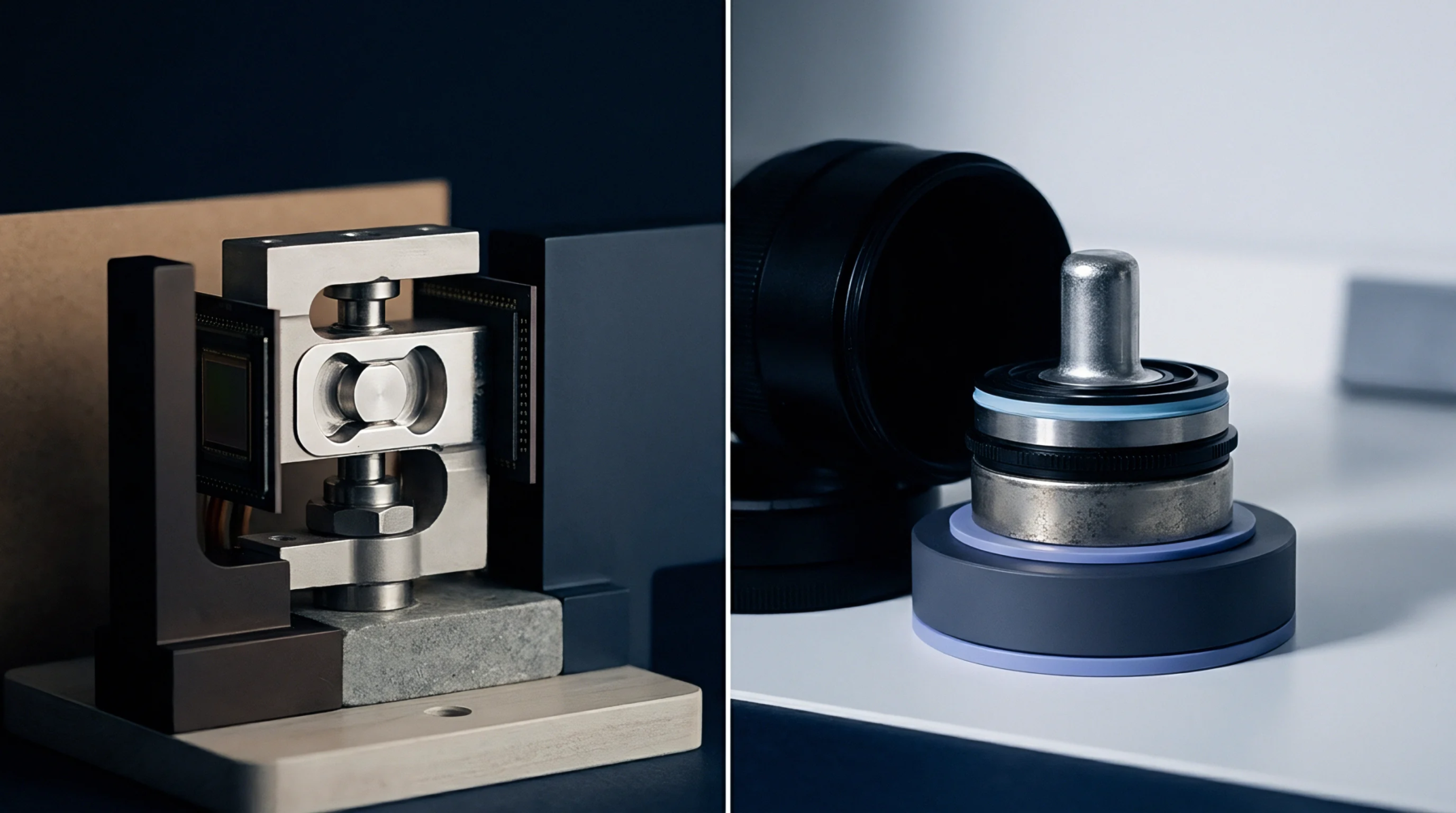
Selecting Valid Kinetic Models for Accelerated Four Week Transducer Qualification
Validating four-week transducer qualification requires deriving activation energies empirically across stepped temperatures to prevent severe drift underestimation.
Accrued legal and financial responsibility assumed by an instrument manufacturer covers the repair, replacement, or financial remediation of products failing to meet agreed performance specifications within a defined operational window. Warranty liability defines the operational boundary where the financial burden of component breakdown, excessive measurement drift, or premature mechanical failure remains with the equipment supplier rather than the end purchaser. Its scope governs factory build defects, non-compliant metrological drift under rated operating conditions, and infant mortality failures emerging during regular service.
This coverage stops applying when equipment experiences physical abuse, improper electrical installation, operating temperatures exceeding published ratings, or maintenance conducted by unauthorized personnel.
Establishing financial reserves for future instrument claims requires balancing historical failure data, accelerated life testing results, and production batch volumes. Financial accounting standards compel organizations to recognize estimated warranty expenses at the moment product revenue is booked, relying on failure rate models like Weibull distributions derived from qualification stress tests. Field return rates, mean time between failures, and component cost variations directly shift the magnitude of the required balance sheet reserve.
Miscalculating early component mortality or ignoring environmental stress factors in harsh processing plants leads to severe under-accrual, depressing corporate margins when elevated field failures generate unexpected replacement waves. Warranty claims undergo technical verification to ensure returned sensors operated within defined process boundaries before claims are paid.
Technical assessment of returned hardware separates true manufacturing defects from process-induced degradation, locating the boundary of liability. When an industrial transmitter fails, factory laboratories test the unit against original calibration specifications to isolate component solder failures from sensor diaphragm erosion caused by corrosive chemical exposure. If diagnostic data shows that an internal pressure transducer ruptured due to pressure spikes exceeding the specified maximum overpressure rating, the manufacturer denies warranty liability and assigns financial responsibility to the plant operator.
Instrument calibration drift provides another contentious boundary, requiring clear contractual definition as to whether field recalibration costs fall under warranty coverage or remain normal operational maintenance. Calibration logs and onboard environmental history records provide the objective data needed to settle these disputes.
Equipment procurement agreements restrict potential financial damages through warranty remedy limitations, explicitly capping supplier liability at product replacement cost and disclaiming consequential process losses. In continuous processing industries where a single sensor drift failure can shut down an entire petrochemical refinery, uncapped liability would impose uninsurable risk upon component suppliers. Contracts clearly specify warranty durations, which typically range between twelve months and five years, alongside exact requirements for physical transport, testing, and return merchandise authorization procedures.
Suppliers reduce their warranty liability exposure by deploying rigorous manufacturing screening, such as burn-in testing and comprehensive guardbanding of final test limits. Adherence to strict warranty liability frameworks clarifies financial risk boundaries between equipment manufacturers and industrial end users, ensuring sustainable pricing and consistent quality assurance standards across the instrumentation sector.
Validating four-week transducer qualification requires deriving activation energies empirically across stepped temperatures to prevent severe drift underestimation.
Expertise is a utility, not a secret. sentiention™ publishes its working knowledge as open reference: intelligence layer covering the materials it sources, the markets it enters, and the reference that serves both.