Voidless Encapsulation
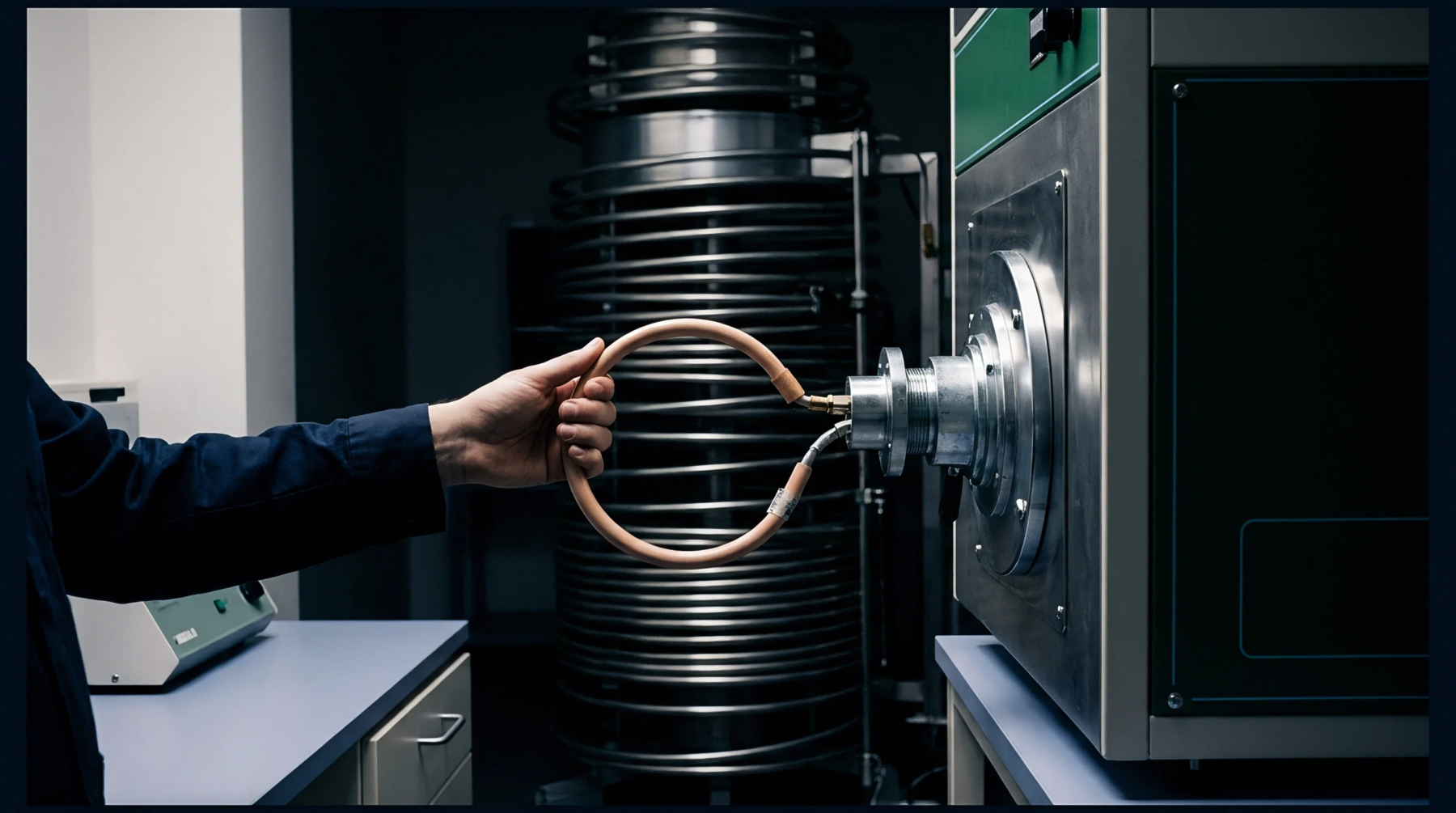
Sub-atmospheric pressure potting processes ensure the complete elimination of air voids from encapsulated electronic assemblies. Known as vacuum impregnation potting, this technique forces protective resin into the finest crevices of a sensor module. It prevents internal discharges and improves heat transfer by eliminating trapped air.
This process is used for high-voltage transformers and oilfield sensors where high external pressures are expected.
Pressure Cycle
The process begins by placing the assembled sensor and the liquid resin in a sealed chamber. Next, the chamber is evacuated to pull air out of the resin and the housing. Once the vacuum is established, the resin is dispensed over the assembly.
Finally, the chamber is returned to atmospheric pressure or pressurized further, which forces the liquid resin into the evacuated voids.
Quality Control
Trapped air bubbles represent a major failure mode in high-density electronics. These voids can act as stress concentrators during temperature cycling, leading to cracks in the potting material. They also reduce the electrical breakdown voltage of the insulation, potentially causing catastrophic short circuits.
Inspections use industrial x-ray machines to verify that the resin layer is continuous and free of voids.
Process Parameter
Optimizing the vacuum level and the cycle time is necessary to achieve consistent results. If the vacuum is too deep, the solvents in the resin can boil off, altering the chemical composition and the curing behavior of the material. Viscosity of the resin must be low during the cycle to ensure rapid flow.
Controlling these parameters prevents incomplete filling of the sensor cavities, ensuring the protective barrier is robust and free from defects. This process control is monitored by tracking the pressure profile and flow rate during each production batch.