Acoustic Volumetric Instrument
In-line and clamp-on process measurement instruments calculate fluid flow rate by transmitting high-frequency acoustic waves through moving process media. An ultrasonic flow meter utilizes wetted or external piezoelectric transducers to interrogate liquid or gas flows using transit-time propagation differences or frequency shifts caused by the Doppler effect. In multi-path transit-time instruments, multiple transducer pairs span chords across the pipe cross-section to measure velocity profiles, integrating discrete line velocities to compute volumetric discharge.
The device contains no moving parts, generates minimal unrecovered pressure loss across full-bore configurations, and provides bidirectional flow measurement capabilities. Meter operation requires acoustically continuous media, stopping when gas volume fractions in liquids or particulate concentrations exceed acoustic penetration thresholds.
Transducer Configurations
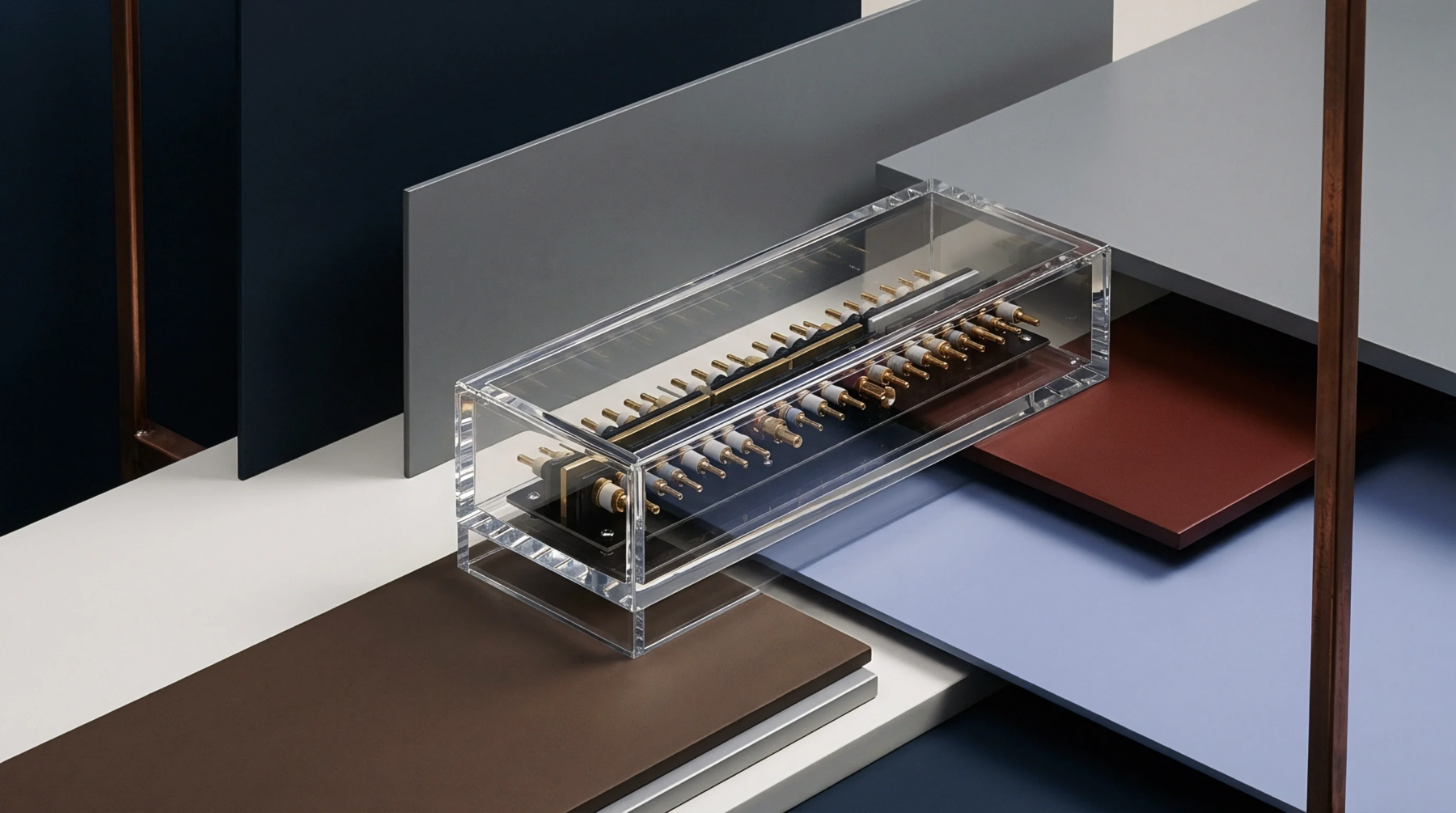
Internal pipe geometry dictates acoustic beam propagation through single-reflection, dual-reflection, or direct diametrical paths. Multi-path designs position transducer pairs across parallel chords according to Gauss-Jacobi or Gauss-Legendre numerical integration techniques. Chordal weighting factors sum individual velocity measurements, compensating for distorted, asymmetric, or swirling velocity profiles caused by upstream piping disturbances.
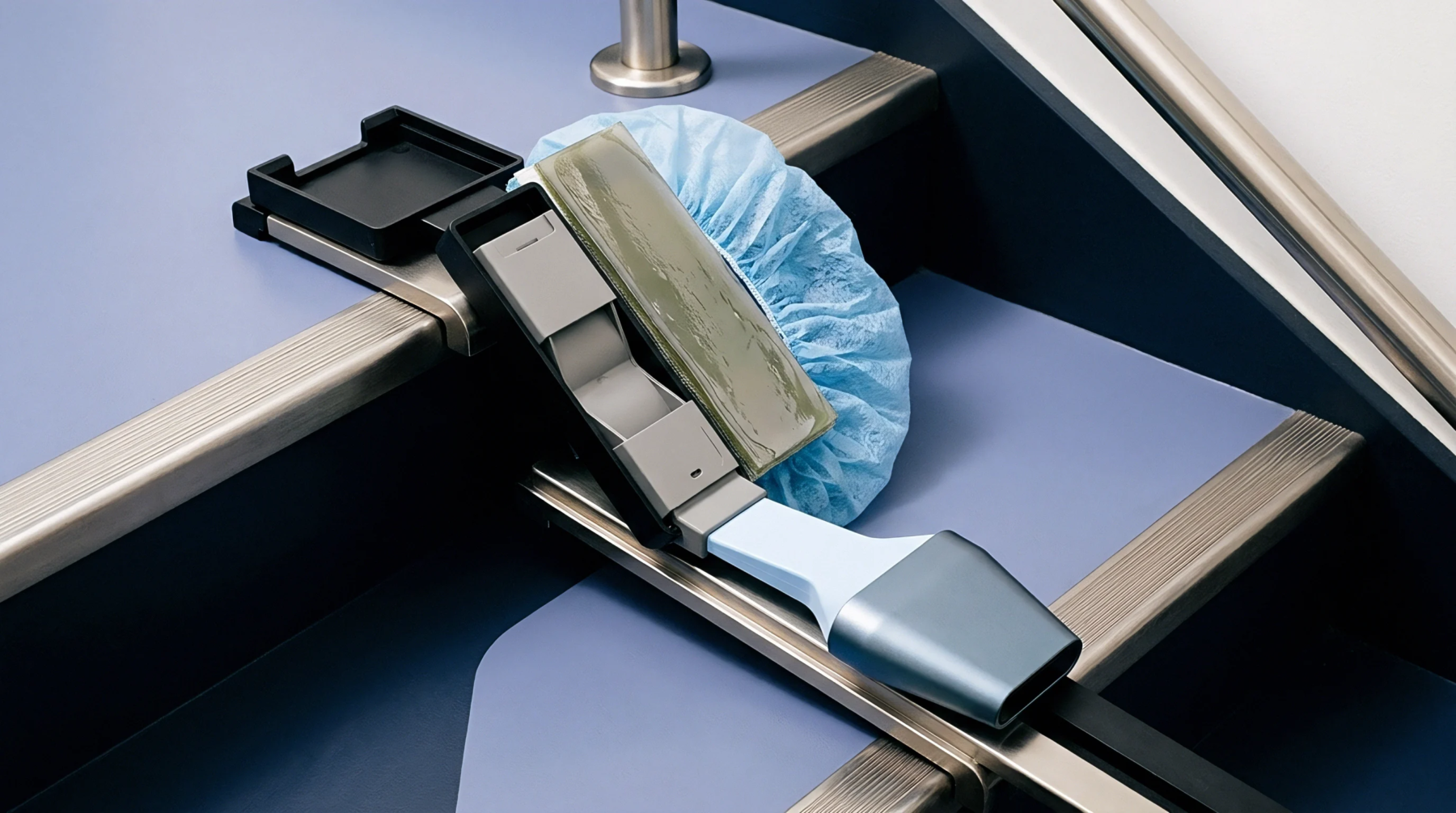
Clamp-on variants couple external transducers directly to the outer pipe wall using acoustic gel or solid pads, transmitting compressional waves that refract through the pipe shell and transform into shear waves before entering the fluid. Transducer wedge angles govern the refraction angle according to Snell’s law, requiring precise pipe wall thickness and sound speed inputs to maintain path geometry.
Installation Degradation
Upstream piping elements including elbows, control valves, and reducers distort downstream flow profiles, inducing swirl that degrades volumetric measurement accuracy. While multi-path configurations mitigate profile distortion, single-path systems require straight upstream piping lengths of ten to twenty pipe diameters, or flow conditioners, to restore an axisymmetric profile. Pipe wall corrosion, inner lining delamination, and paraffin wax build-up change the internal cross-sectional area and attenuate acoustic signals.
Ambient temperature swings induce dimensional expansion of the spool piece, shifting transducer separation distances and altering the effective path angle. Electrical noise from adjacent variable frequency drives can couple into transducer cabling, corrupting microsecond pulse arrival detection and generating false velocity readings.
Fiscal Calibration
Metrological qualification of an ultrasonic flow meter intended for custody transfer requires extensive flow calibrations on water or natural gas calibration loops conforming to standards such as AGA Report Nine or OIML R forty-nine. Calibration technicians verify dry zero-flow readings inside acoustic chambers before introducing fluid flows to confirm baseline offsets remain within specified bounds. Dynamic testing covers multiple flow points from minimum flow up to maximum continuous rating, establishing meter linearity, repeatability, and uncertainty bounds below zero point two percent of reading.
Digital signal processors run continuous diagnostic routines, tracking acoustic sound speed, signal gain levels, and path quality metrics to flag out-of-specification operating conditions. Metrology authorities seal the instrument housing and lock firmware calibration parameters following successful compliance audits. Certified meters deliver defensible volumetric throughput data in industrial process control.